

What Is Mycelium and Why It Matters in Wellness
Finding natural ways to sharpen mental focus and strengthen immune health is a growing priority for those who value holistic wellness. Mycelium, often misunderstood as simply mold or synonymous with mushrooms, is actually the vital underground network of fungi that supports nutrient cycling and ecological balance. By unraveling what sets mycelium apart and clearing up common misconceptions, you will discover how this complex biological web may offer real benefits for cognitive function and immune support. For those who want the science behind natural supplements, understanding this hidden powerhouse is a smart first step.
Table of Contents
- What Is Mycelium? Core Definition And Misconceptions
- Types Of Mycelium And How They Differ
- How Mycelium Functions In Nature And Health
- Key Benefits For Immunity And Cognitive Support
- Mycelium In Supplements: Uses And Myths
- Comparing Mycelium And Fruiting Bodies For Wellness
Key Takeaways
| Point | Details |
|---|---|
| Mycelium is a Complex Network | Mycelium consists of a vast, interconnected network of fungal threads that function in nutrient cycling and ecosystem health. |
| Diverse Mycelial Structures | Mycelium can be categorized into different types, each adapted to specific environmental conditions, impacting nutrient exchange and ecological roles. |
| Important for Human Health | Mycelium contains bioactive compounds that support immune function and cognitive health, showing promise in nutritional applications. |
| Distinction from Fruiting Bodies | Mycelium and fruiting bodies have unique compositions and benefits, making their applications in health and wellness distinct. |
What Is Mycelium? Core Definition and Misconceptions
Mycelium represents the intricate underground network of fungi that serves as a critical biological infrastructure in ecosystems worldwide. Unlike common misconceptions, mycelium is not simply mold or mushrooms, but a complex living web of fungal threads that plays a fundamental role in nutrient cycling and environmental health.
At its core, mycelium consists of thin, thread-like structures called hyphae that branch and intertwine, creating an expansive biological network beneath the soil. These microscopic filaments function similarly to plant roots, absorbing nutrients and breaking down organic matter through powerful enzymatic processes. Fungal networks operate as intricate communication and transportation systems, connecting different organisms and facilitating remarkable ecological interactions.
Common misconceptions about mycelium often stem from limited understanding of its complexity:
- Mycelium is not a single organism, but a dynamic network of interconnected fungal threads
- Mushrooms are merely the fruiting bodies of fungi, while mycelium represents the entire living structure
- These networks are not passive structures, but actively participate in nutrient exchange and ecosystem maintenance
Beyond its ecological significance, mycelium demonstrates extraordinary capabilities that are increasingly recognized in scientific research. The network can span massive areas, sometimes covering entire forest floors, and plays crucial roles in decomposition, soil health, and supporting plant communication.
Pro tip: Explore local forest ecosystems to observe mycelium networks in action, and consider how these hidden structures contribute to environmental balance.
Types of Mycelium and How They Differ
Mycelium is not a monolithic structure but a diverse network with remarkable variations that reflect the complexity of fungal life. Different types of mycelial structures emerge based on environmental adaptations, showcasing how fungi have evolved to survive in diverse ecological conditions.
At the fundamental level, mycelium can be categorized into two primary genetic configurations: monokaryotic and dikaryotic networks. Monokaryotic mycelia contain single-nucleus fungal threads, while dikaryotic mycelia feature two distinct nuclei, enabling more complex reproductive strategies. These structural differences significantly impact how fungi interact with their surrounding environment, colonize substrates, and exchange nutrients.
Key variations in mycelial structures include:
- Rhizomorphs: Dense, root-like structures that enable efficient nutrient transportation
- Hyphal strands: Thin, thread-like networks that explore and colonize new territories
- Cord-like formations: Thicker fungal networks that support long-distance nutrient transfer
Structural differences among mycelia directly influence their ecological roles, determining how effectively fungi can adapt to challenging environments. Some mycelia grow as microscopic colonies, while others can span entire forest ecosystems, creating intricate underground communication networks that support plant life and ecosystem health.
Pro tip: Observe local forest floors to discover the diverse mycelial networks hidden beneath the surface, and appreciate the intricate biological systems operating just out of sight.
How Mycelium Functions in Nature and Health
Mycelium serves as a critical biological infrastructure that plays a fundamental role in ecosystem health and nutrient cycling. These intricate underground networks act as nature’s recycling system, breaking down organic matter and facilitating complex interactions between plants, microorganisms, and soil elements.
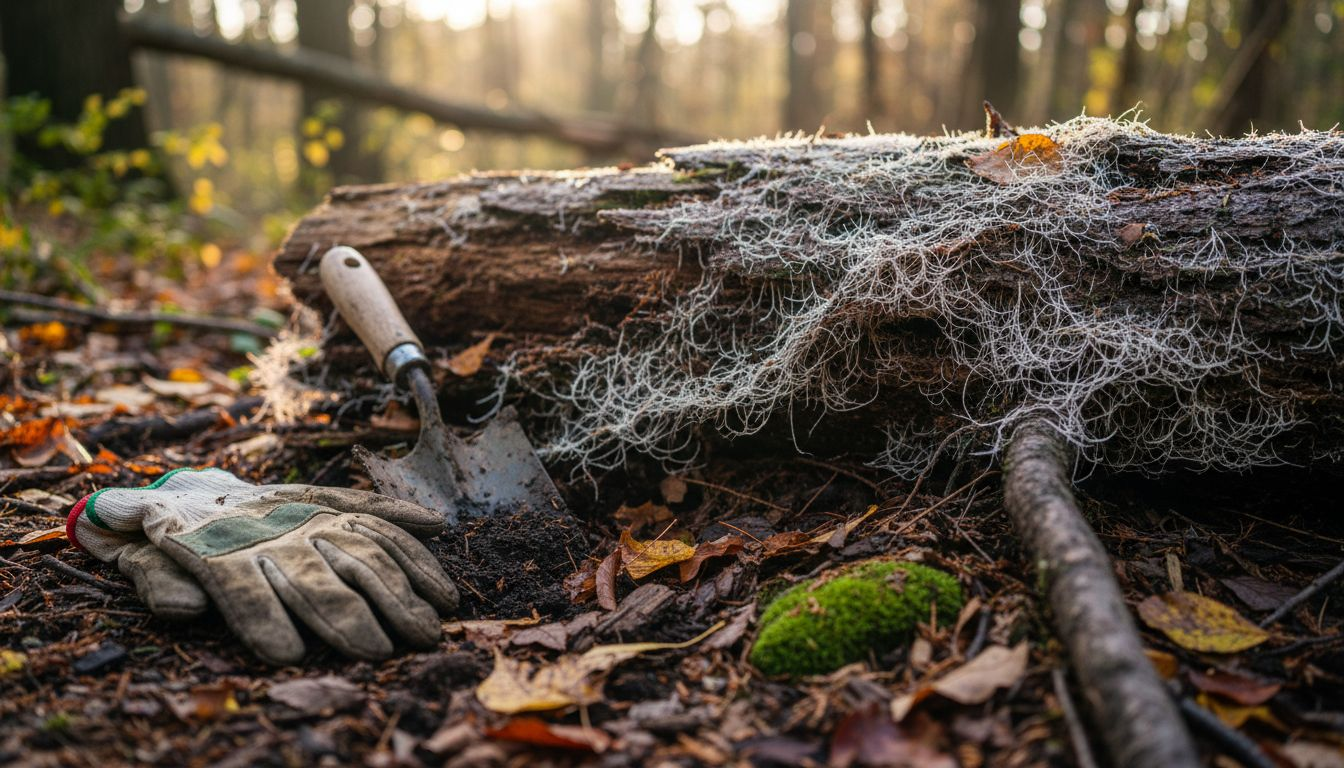
In ecological systems, mycelium functions through several key mechanisms. It secretes powerful enzymes that decompose complex organic materials, transforming dead plant and animal matter into absorbable nutrients. This process not only supports soil fertility but also enables nutrient transfer between different organisms. The symbiotic relationships formed by mycelial networks, particularly mycorrhizal connections, allow plants to extend their nutrient absorption capabilities far beyond their root systems.
The primary functions of mycelium include:
- Nutrient Cycling: Breaking down organic materials and redistributing essential minerals
- Ecosystem Communication: Creating underground networks that transmit chemical signals between plants
- Soil Structure Enhancement: Binding soil particles and improving overall soil health
- Environmental Cleanup: Potentially degrading pollutants and supporting ecosystem restoration
Emerging research highlights mycelium’s potential as a sustainable nutritional resource, rich in proteins, fibers, and essential micronutrients. These networks demonstrate remarkable adaptability, supporting not just ecological balance but potentially offering innovative solutions in nutrition, environmental remediation, and health support.
Pro tip: Explore local forest ecosystems to witness firsthand the intricate mycelial networks operating beneath the surface, transforming our understanding of interconnected biological systems.
Key Benefits for Immunity and Cognitive Support
Mycelium offers remarkable potential for supporting human health through its rich composition of bioactive compounds and nutrients. These intricate fungal networks contain powerful molecules that interact with human biological systems, particularly targeting immune function and cognitive performance.
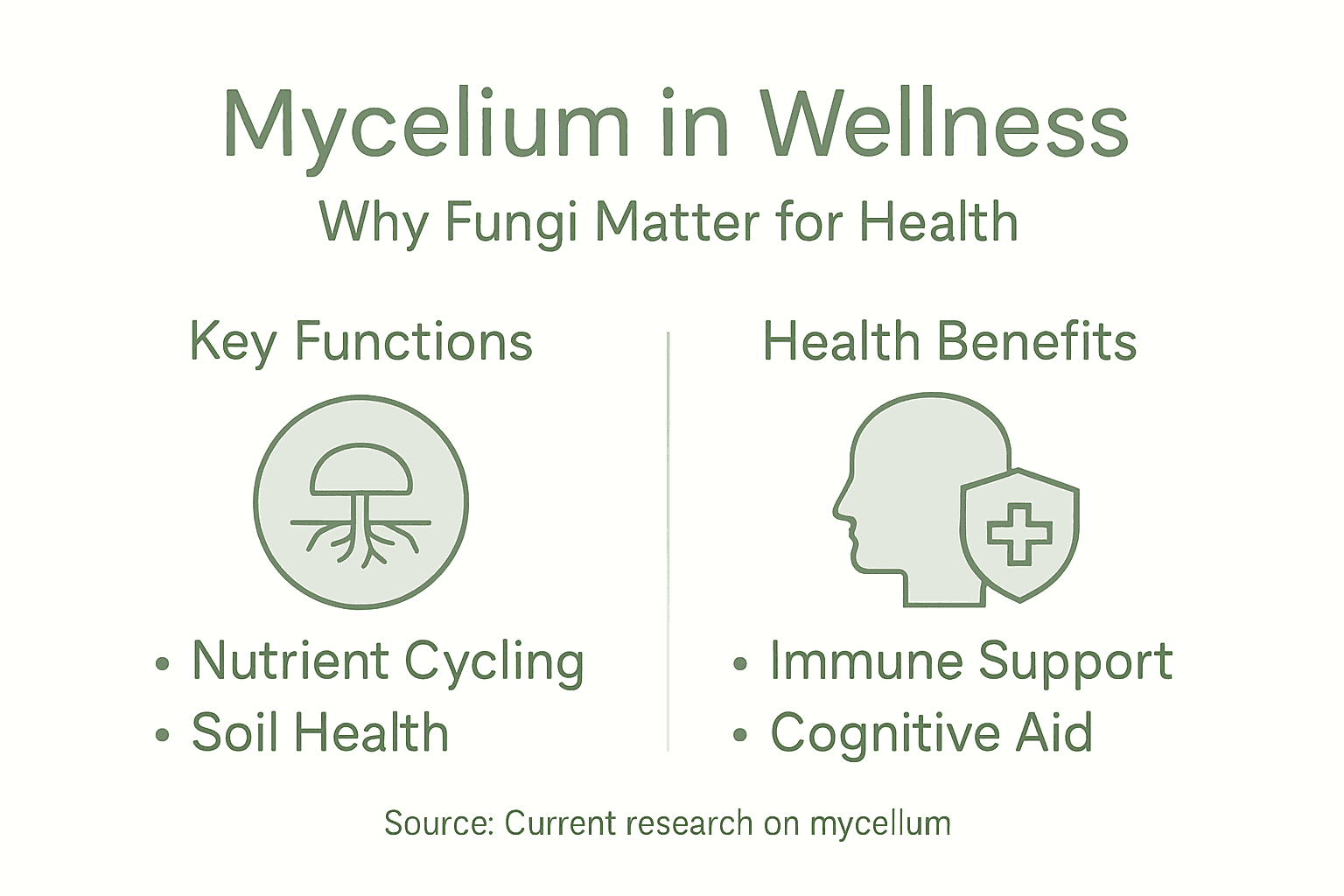
The immune-enhancing properties of mycelium stem from its high concentration of beta-glucans, complex polysaccharides that stimulate immune cell activity. These compounds help modulate immune responses, potentially increasing the body’s ability to defend against pathogens and reduce inflammatory processes. Mycelium’s unique molecular structure allows for nuanced immune system support, unlike traditional supplements that might overstimulate immune reactions.
Key benefits of mycelium for immunity and cognitive health include:
- Immune Modulation: Activating and balancing immune cell responses
- Cognitive Enhancement: Supporting neurological function through nutrient-rich compounds
- Metabolic Support: Improving insulin sensitivity and metabolic health
- Protein Synthesis: Providing essential amino acids for cellular repair
Mycoprotein derived from fungal mycelium demonstrates significant potential in clinical research, showing promise for reducing cholesterol, supporting muscular protein synthesis, and potentially improving overall cognitive wellbeing. These findings suggest mycelium could be a powerful natural resource for holistic health optimization.
Pro tip: Incorporate diverse mushroom varieties into your diet to maximize the potential immune and cognitive benefits of mycelial compounds.
Mycelium in Supplements: Uses and Myths
Mycelium supplements represent a complex and evolving area of nutritional science, offering potential health benefits while simultaneously challenging existing understanding of fungal-based nutrition. These supplements typically contain fermented mycelial biomass grown on organic substrates, designed to capture the unique nutritional profile of fungal networks.
The supplement landscape is riddled with misconceptions about mycelium’s effectiveness and sourcing. Grain-grown mycelium and pure mycelial extracts are often confused, leading to inconsistent product quality. Some manufacturers grow mycelium on grain substrates, which can dilute the concentration of beneficial compounds, while others focus on more targeted extraction methods that preserve the most potent bioactive elements.
Common myths and realities about mycelium supplements include:
- Myth: All mycelium supplements are equally potent
- Reality: Extraction method and growth substrate significantly impact nutrient concentration
- Myth: Mycelium supplements are scientifically proven to treat specific conditions
- Reality: Most health claims require additional large-scale human clinical trials
- Myth: Mycelium and mushroom fruiting bodies have identical nutritional profiles
- Reality: Different parts of fungi contain varying concentrations of beneficial compounds
Ongoing research continues to explore the potential of mycelium in dietary supplementation, highlighting the need for more comprehensive scientific investigation. While promising initial findings exist, consumers should approach mycelium supplements with a balanced perspective, understanding that the field is still emerging.
Pro tip: Always verify supplement sourcing and look for third-party testing to ensure you’re getting a high-quality mycelium product with genuine nutritional value.
The following table highlights typical uses and research focus areas for mycelium and its supplements:
| Application Area | Mycelium Networks | Mycelium Supplements |
|---|---|---|
| Ecological Role | Nutrient cycling, soil health | N/A |
| Human Benefit | Environmental remediation | Potential immune and cognitive support |
| Research Focus | Environmental science, agriculture | Nutritional science, clinical trials |
| Common Products | Soil improvers, bioremediation agents | Powders, capsules, protein alternatives |
Comparing Mycelium and Fruiting Bodies for Wellness
Mycelium and fruiting bodies represent two distinct stages of fungal development, each offering unique nutritional and wellness characteristics. While often discussed interchangeably, these fungal components have significant differences in their metabolite profiles, bioactive compounds, and potential health benefits.
The primary distinction lies in their biological formation and nutrient composition. Mycelium represents the underground network of fungal threads, typically produced through controlled fermentation, while fruiting bodies are the visible mushroom structures that emerge above ground. These different growth environments result in varied concentrations of proteins, enzymes, and bioactive compounds that impact their potential wellness applications.
Key comparative characteristics include:
- Metabolite Concentration: Varies based on substrate and growth conditions
- Protein Content: Different levels and amino acid profiles
- Bioactive Compound Distribution: Unique molecular compositions
- Extraction Complexity: Different processing requirements for optimal nutrient preservation
Researchers continue to explore the nuanced differences between these fungal components, recognizing that both mycelium and fruiting bodies offer valuable nutritional potential. The choice between them depends on specific wellness goals, with each providing distinct advantages in supporting overall health and metabolic function.
Here’s a summary of the core differences between mycelium and mushroom fruiting bodies:
| Aspect | Mycelium | Fruiting Body |
|---|---|---|
| Location | Underground fungal network | Above-ground mushroom structure |
| Primary Function | Nutrient absorption and decomposition | Spore production and dispersal |
| Key Bioactive Compounds | Rich in beta-glucans, enzymes | High in terpenoids, antioxidants |
| Common Use | Supplements, environmental applications | Food, supplements, culinary uses |
Pro tip: Consult with nutrition experts to understand which fungal component best suits your individual wellness objectives and metabolic needs.
Unlock the Wellness Power of Mycelium Today
Understanding the amazing role of mycelium in nature reveals its unique potential to support your immune system and cognitive health. If you are looking to enhance your wellness naturally by tapping into the rich bioactive compounds of fungal networks, it is essential to choose supplements that harness mycelium’s true strength. Many people face challenges with inconsistent supplement quality and unclear sourcing methods. This leads to frustration and uncertainty when trying to experience real benefits such as immune modulation and improved brain function.
At Longevity Botanicals, we specialize in high-quality mushroom-based dietary supplements crafted from carefully sourced mycelium and fruiting bodies. Our products focus on delivering potent beta-glucans and nutrients that can help you achieve the health goals discussed in the article like cognitive enhancement, immune support, and metabolic balance. Start with trusted options like Lion’s Mane for brain support or Reishi for immune balance and experience the difference of premium natural ingredients.
Explore our range of mushroom powders, capsules, and blends designed for holistic wellness in our online store. Take control of your health now by choosing supplements that align with cutting-edge research on mycelium benefits. Visit Longevity Botanicals and begin your journey toward sustained vitality today.
Frequently Asked Questions
What is mycelium and why is it important?
Mycelium is an intricate underground network of fungi that plays a critical role in nutrient cycling and environmental health, acting as nature’s recycling system by decomposing organic material and facilitating interactions between different organisms.
How does mycelium support human health and wellness?
Mycelium contains bioactive compounds, particularly beta-glucans, which can enhance immune function and cognitive performance. It also offers potential metabolic support and provides essential nutrients for overall well-being.
What is the difference between mycelium and mushroom fruiting bodies?
Mycelium refers to the underground network of fungal threads, primarily responsible for nutrient absorption and decomposition. In contrast, fruiting bodies are the visible mushrooms that produce spores. Each has unique bioactive compounds and nutritional profiles.
Are mycelium supplements effective for health benefits?
Mycelium supplements have potential health benefits, particularly for immune and cognitive support. However, it’s essential to scrutinize extraction methods and sourcing, as these factors significantly influence the quality and potency of the supplement.
Recommended
- The Benefits and Risks of Mushroom Mycelium – LongevityBotanicals
- The Mysteries of Mushroom Anatomy: Exploring Fruiting Bodies, Mycelium – LongevityBotanicals
- FAQs – LongevityBotanicals
- How Mushrooms Are Being Used to Build Houses with Mycelium Blocks – LongevityBotanicals
- Candida Overgrowth: Holistic Remedies That Work - Home Remedies
- Improving Gut Health Process for Enhanced Wellbeing
Related Posts

Why Water-Soluble Mushroom Compounds Drive Real Results

What Is Mushroom Sustainability? Benefits and Practices

The Role of Organic Farming in Mushrooms Explained

What Is a Fruiting Body? Mushroom Science Explained

Mushroom Allergenicity Explained: Symptoms and Safe Use

Top 5 naturesrise.com Mushroom Supplement Alternatives 2026

Top 6 Hemplucid.com Alternatives for 2026


