


TL;DR:
- Mushroom supplements like turkey tail, reishi, and lion’s mane support immune regulation and cognitive health through active compounds such as beta-glucans and hericenones. Choosing high-quality, third-party tested products aligned with specific health goals ensures effective and safe integration into daily routines. Stacking mushrooms gradually and tracking responses over weeks optimizes benefits and prevents common dosing or allergy issues.
Many health-conscious individuals want stronger immunity and sharper cognition, but supplement aisles and online searches deliver conflicting information about mushrooms. The confusion is understandable. Dozens of species, multiple formats, and varying quality standards make it hard to know where to start. The good news is that beta-glucans and polysaccharides in mushrooms like turkey tail and reishi activate NK cells and T-cells while supporting gut microbiota for immune homeostasis, making these supplements genuinely worth understanding. This guide cuts through the noise and gives you a practical path from confused shopper to confident mushroom supplement user.
Table of Contents
- What you need to know before you start
- Choosing your mushrooms: Matching health goals to types
- Step-by-step: How to add mushrooms into your daily routine
- Troubleshooting and optimizing your results
- Beyond the basics: What most guides miss about mushroom integration
- Find your perfect mushroom supplement
- Frequently asked questions
Key Takeaways
| Point | Details |
|---|---|
| Know the basics | Understand key terms, safety, and mushroom types before starting supplements. |
| Choose for your goals | Select mushroom extracts that match immune, cognitive, or overall wellness targets. |
| Start simple | Introduce one mushroom at a time, track effects, and adjust your routine gradually. |
| Optimize and troubleshoot | Be proactive about safety, monitor for issues, and consult a provider if unsure. |
| Quality matters | Opt for third-party tested and organic supplements for best results. |
What you need to know before you start
Understanding foundational terms and risks helps you integrate mushrooms safely and with realistic expectations.
Before buying any product, it helps to know what mushroom supplements actually do inside the body. Two key concepts frame most of the research: immunomodulation and cognitive support.
Immunomodulation refers to the ability of certain compounds to regulate immune responses rather than simply stimulate or suppress them. Turkey tail and reishi are the most studied examples. Turkey tail contains PSK and PSP, two polysaccharide compounds that help balance immune activity. Reishi contains beta-glucans and triterpenes that support the body’s natural defense processes. Neither one works like a switch. They work more like a tuning mechanism, helping the immune system respond appropriately.
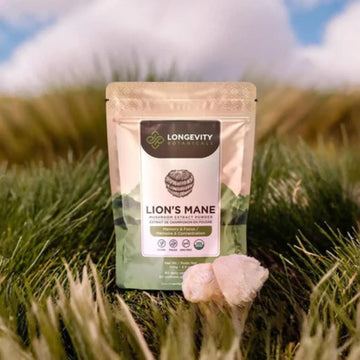
Cognitive support from mushrooms centers almost entirely on Lion’s Mane. This mushroom contains compounds called hericenones and erinacines that encourage nerve growth factor (NGF) production, which supports the maintenance and regeneration of neurons. The practical result for most users is improved focus, clarity, and long-term brain health. You can learn more about wellness benefits with mushrooms to build a fuller picture before committing to a product.
Mycelium vs. fruiting body
This distinction matters when reading product labels. The fruiting body is the visible part of the mushroom above ground. The mycelium is the underground root-like network. Most research on immune compounds like PSK comes from fruiting body extracts, but some high-quality mycelium products, particularly from standardized extracts, also demonstrate measurable benefits. The key is not choosing one over the other automatically. It is checking that the product has been third-party tested for active compound levels.
Safety considerations
Not every person should take mushroom supplements without guidance. According to safety data, the following groups need extra caution:
- People with autoimmune conditions (mushrooms can stimulate immune activity)
- Pregnant or breastfeeding women
- Children under 7 years old
- Individuals taking blood thinners (reishi especially)
- People with kidney issues (chaga is high in oxalates)
- Anyone prone to GI sensitivity or mushroom allergies
Reviewing detoxification tips can also help you understand how the body processes new supplements during an initial adjustment phase.
Stacking mushrooms
Stacking means combining two or more mushroom types to get overlapping or complementary benefits. For example, pairing reishi (stress and immune) with lion’s mane (cognitive support) gives you coverage across multiple wellness goals. Stacking works, but it also makes it harder to identify which mushroom is responsible for what effect. More on that in the troubleshooting section.
| Mushroom | Key compounds | Primary benefit |
|---|---|---|
| Turkey tail | PSK, PSP, beta-glucans | Immune regulation |
| Reishi | Beta-glucans, triterpenes | Immune balance, stress |
| Lion’s Mane | Hericenones, erinacines | Cognitive support, NGF |
| Chaga | Polyphenols, betulinic acid | Antioxidant, immune |
| Cordyceps | Cordycepin, adenosine | Energy, performance |
“Before adding any supplement to your routine, review your current medications and health conditions with a qualified healthcare provider, particularly if you take anticoagulants or have an autoimmune diagnosis.”
Choosing your mushrooms: Matching health goals to types
Once you know the basics and your safety profile, selecting the right mushroom for your goals becomes much easier.
Different mushrooms target different systems. Matching the right type to your actual wellness goals saves money and produces better results.
By health goal
Immune support: Turkey tail is the most evidence-backed choice. Its immune-modulating compounds activate NK cells and T-cells and support gut microbiota for short-chain fatty acid (SCFA) production, which plays a direct role in immune homeostasis. Reishi is a close second, especially for individuals dealing with stress-related immune dips. Read more about turkey tail for immune health to understand how it fits a daily routine.
Cognitive function: Lion’s Mane is the clear leader. Research confirms that hericenones and erinacines stimulate NGF synthesis, supporting both neurogenesis and ongoing cognitive function. Evidence is stronger for individuals with mild cognitive impairment, but healthy adults report benefits in focus and mental clarity as well. For a deeper comparison of options, explore brain health mushrooms.
Stress and sleep: Reishi is the go-to for stress resilience and sleep quality, thanks to its calming triterpenes. Many users take it in the evening as part of a wind-down protocol.

Gut health: Turkey tail again stands out due to its prebiotic effect on the gut microbiome. Chaga also contributes with antioxidant polyphenols that reduce oxidative stress in the digestive tract.
Energy and performance: Cordyceps is the primary choice here. Cordycepin and adenosine in cordyceps support oxygen utilization and ATP production, making it popular with active adults.
Pro Tip: If cognitive support and stress resilience are both priorities, combine lion’s mane in the morning with reishi in the evening. These two complement each other without overlapping mechanisms, making the combination easy to assess over time. Check out the science behind lion’s mane for brain health to understand how it fits alongside other adaptogens.
Comparison table: Choosing the right mushroom
| Goal | Best primary choice | Complementary option | Format options |
|---|---|---|---|
| Immune support | Turkey tail | Reishi | Capsule, powder |
| Cognitive function | Lion’s Mane | Cordyceps | Capsule, powder |
| Stress and sleep | Reishi | Lion’s Mane | Capsule, tincture |
| Gut health | Turkey tail | Chaga | Powder, capsule |
| Energy | Cordyceps | Chaga | Capsule, coffee blend |
- Capsules: Most convenient for consistent daily dosing
- Powders: Flexible, can be blended into smoothies, coffee, or soups
- Tinctures: Fast absorption, often used for acute needs
- Blends: Combine multiple types in pre-formulated ratios for broader coverage
Step-by-step: How to add mushrooms into your daily routine
Now that you have chosen the types, it is time to put integration into practice.
A structured approach to adding mushrooms makes it easier to stick with the habit and actually notice the effects.
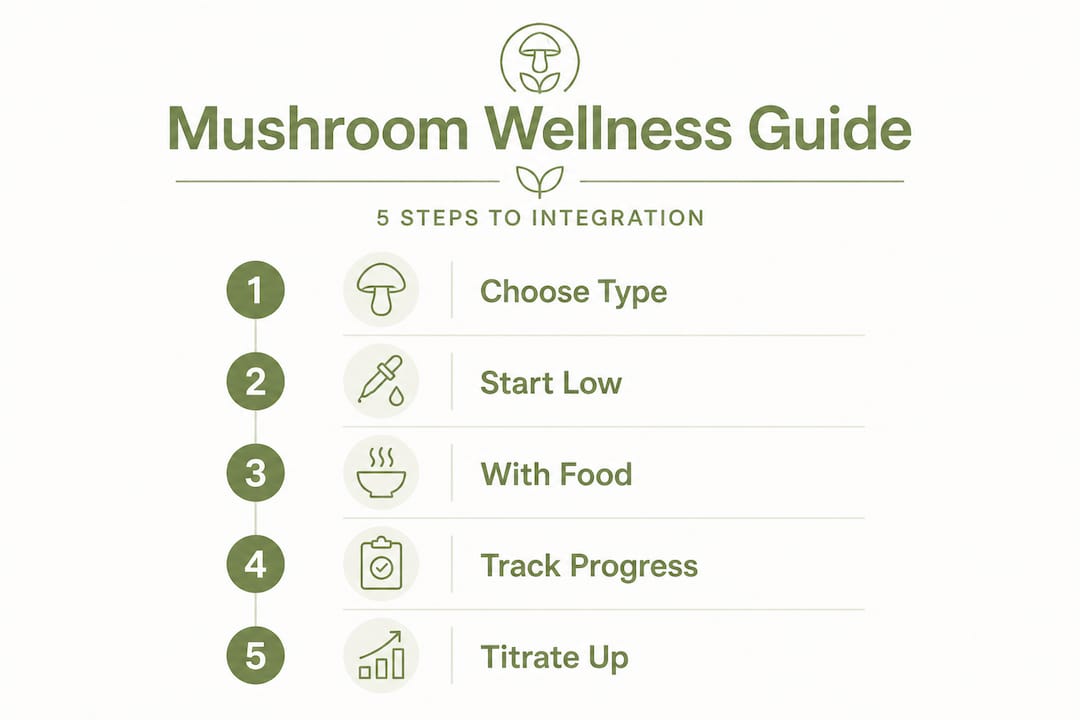
Step 1: Start with one product and a low dose
Most mushroom supplements recommend starting at 500 mg to 1,000 mg per day for the first two weeks. Starting low gives your digestive system time to adjust and makes any side effects easier to identify. Most people tolerate mushroom supplements well, but GI discomfort is the most commonly reported issue, especially when starting at full doses immediately.
Step 2: Attach supplements to an existing habit
The simplest integration strategy is habit stacking. Pick an already established part of your day and attach your supplement to it. Common anchor points include:
- Morning coffee or tea (powder blends work especially well here)
- Breakfast (capsules with food reduce GI discomfort)
- Pre-workout (cordyceps pairs naturally with exercise prep)
- Evening routine (reishi capsules with dinner or herbal tea)
Learn more about building a habit around wellness benefits with mushrooms to understand how consistency drives results.
Step 3: Take with or after food
Taking mushroom supplements with food improves tolerability and, for fat-soluble compounds like triterpenes in reishi, may improve absorption. Most capsule products work well with any meal. Powders mix more easily into warm liquids.
Step 4: Track your responses over 4 to 8 weeks
This is where most people skip an important step. Without tracking, it becomes nearly impossible to know whether the supplement is working or whether routine changes like better sleep or lower stress are responsible for improvements.
A notable RCT involving 90 participants showed that a mycelium-based supplement combining agarikon and turkey tail, taken at 8 x 500 mg capsules three times daily for four days alongside a COVID vaccine, not only reduced side effects but preserved and increased anti-SARS-CoV-2 antibodies for up to six months. The structured, tracked protocol in that trial is a useful model even for everyday supplement routines.
Step 5: Titrate up to a full dose after 2 weeks
Once your body has adjusted, move toward the full recommended dose on your product label. Most effective protocols fall between 1,000 mg and 3,000 mg per day depending on the mushroom type and your health goals.
Pro Tip: Keep a simple daily log with three data points: energy level (1-10), focus quality (1-10), and any physical symptoms. After four weeks, patterns become visible. This makes it much easier to decide whether to continue, adjust dosage, or try a different mushroom type.
Troubleshooting and optimizing your results
Sometimes integration does not go perfectly on the first try. Here is how to address issues and get the best from your mushroom routine.
Even well-planned supplement routines run into snags. Knowing what to expect prevents unnecessary frustration or, worse, abandoning a routine that just needs minor adjustments.
Common beginner mistakes
- Taking too much too soon. Starting at full dose immediately is the most common cause of GI discomfort. Drop back to a lower amount and build up gradually.
- Ignoring potential allergies. If you have a known sensitivity to mold or certain fungi, introduce mushroom supplements carefully and monitor for skin reactions, digestive changes, or breathing symptoms.
- Mixing with contraindicated medications. Reishi can enhance the effects of blood thinners. Chaga’s high oxalate content poses risks for those prone to kidney stones. Always review interactions with a pharmacist or doctor before combining with medications.
- Expecting immediate results. Most mushroom benefits build over weeks, not days. Giving up after one week produces no useful information.
- Skipping product research. Low-quality products may contain fillers, undisclosed grain content in mycelium products, or inadequate levels of active compounds. Third-party certification is a non-negotiable marker of quality.
For a broader view of how these supplements support the body, explore 7 ways mushrooms boost wellness naturally.
When to consult a healthcare provider
Seek guidance before starting if you have any diagnosed condition, take prescription medications, or are pregnant. Ask specifically about herb-drug interactions and whether your condition could be aggravated by immune-stimulating compounds.
“If you experience persistent GI symptoms, unusual fatigue, or signs of an allergic reaction after starting a mushroom supplement, discontinue use and consult a healthcare provider before resuming.”
Pro Tip: Use a symptom and benefit tracker in a simple notes app or notebook. Log daily at the same time. After 30 days, review the entries side by side with any dose changes. Subtle improvements in sleep quality or reduced afternoon brain fog often go unnoticed until you see them written across 30 consecutive days.
Troubleshooting slow results
If you see no changes after six weeks at full dose, consider these variables:
- Product quality: Is it third-party tested with verified beta-glucan content?
- Dose: Are you within the studied range for your chosen mushroom?
- Consistency: Have you missed many days?
- Format: Would switching from powder to capsule (or vice versa) improve your absorption or adherence?
Sometimes switching from mycelium to a fruiting body extract, or choosing an organic certified product, produces a noticeable difference in response.
Beyond the basics: What most guides miss about mushroom integration
Moving from tactical integration to the broader perspective, there are things even detailed guides often overlook.
Most articles about mushroom supplements are built on research from targeted populations, not healthy adults with no preexisting conditions. That distinction matters more than people realize. The strongest evidence for turkey tail, for example, comes from trials with cancer patients or individuals getting vaccines. Immune benefits in those contexts are measurable and meaningful. For a healthy 35-year-old with no immune dysfunction, the practical effects are likely more subtle and cumulative. Setting realistic expectations is not pessimism. It is the honest foundation of a sustainable wellness practice.
The evidence base currently shows stronger RCT support for immune outcomes, particularly from turkey tail’s PSK and PSP compounds, while cognitive benefits from lion’s mane in healthy adults are more variable. Lion’s mane shows clearer results in individuals with mild cognitive impairment, and larger chronic trials in healthy populations are still needed. That does not mean lion’s mane is not worth using. It means tracking your own response matters more than assuming research outcomes will translate directly to your situation.
The mycelium versus fruiting body debate is real, but it has become somewhat of a distraction. What matters far more is whether the product has been independently tested, whether active compound levels are disclosed, and whether the sourcing is organic and traceable. A certified organic fruiting body extract from a verified source is a better choice than an untested product claiming to be superior on either side of the debate. Explore considerations around lion’s mane product quality for a practical look at how to evaluate options.
Finally, combining multiple mushroom types can produce synergistic effects, but making multiple changes at once makes it nearly impossible to know what is working. Introduce one mushroom at a time. Give it four to six weeks. Then add a second. The data you collect from your own body over that time is more actionable than any general guide, including this one.
Find your perfect mushroom supplement
Understanding which mushroom matches your goals is the first step. Finding a reliable, tested product is what turns knowledge into results.
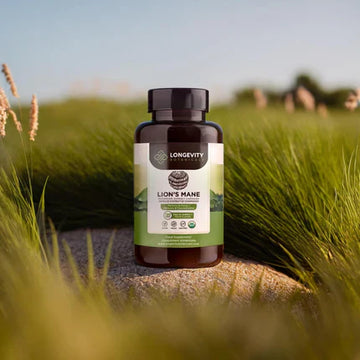
Longevity Botanicals offers a curated range of organic mushroom capsules and organic mushroom powders, each sourced for quality and formulated for consistent active compound levels. For those focused on focus and memory, the mushrooms for brain health collection includes lion’s mane, reishi, and combination blends built around the most current research. All products are selected with third-party testing and organic standards in mind, because those two factors are what separate supplements that deliver from those that disappoint.
Frequently asked questions
What is the best time to take mushroom supplements?
Most mushroom supplements work well taken with breakfast or another consistent daily anchor point, though timing is flexible for most types. Reishi is a common exception, as many users prefer it in the evening for its calming effects.
Are mushroom supplements safe for everyone?
Mushroom supplements are safe for most healthy adults, but safety considerations indicate they should be avoided during pregnancy, in young children, and in those with autoimmune conditions or who take blood thinners.
How soon can I expect results from mushroom supplements?
Noticeable changes typically appear in 2 to 6 weeks of consistent use, though immune-related benefits tend to be subtle and build gradually over time rather than appearing as a single obvious shift.
What is the difference between mycelium and fruiting body extracts?
Fruiting body extracts are often associated with higher concentrations of key active compounds, but mycelium-based products can also deliver measurable immune benefits when properly standardized and third-party tested.
Should I take single mushroom extracts or blends?
Starting with a single extract makes it easier to observe individual responses before adding complexity. Once you have a baseline, blends can offer broader, synergistic support across immune, cognitive, and energy goals.
Recommended
- 7 Ways Mushrooms Boost Wellness Naturally for You – LongevityBotanicals
- How to Use Mushroom Supplements for Natural Wellness – LongevityBotanicals
- Master the Mushroom Blending Process for Optimal Wellness – LongevityBotanicals
- Unlock wellness benefits with mushroom supplements – LongevityBotanicals
- Abitudini per il benessere mentale: guida pratica 2026


