

Dietary supplements explained: benefits, risks, and mushroom science
TL;DR:
- The effectiveness of supplements depends on formulation, source, extraction, and bioactive concentrations.
- Mushroom supplements offer immune and cognitive benefits through specific bioactive compounds like beta-glucans and hericenones.
- Quality and consistency are essential; look for transparent labeling, proper extraction methods, and standardized active ingredients.
Most people assume a supplement is a supplement. Same capsule, same effect, same value. That assumption is costing them results. Formulation, source material, extraction method, and bioactive concentration all determine whether a product actually does anything useful. Mushroom-based supplements have moved from niche health food stores to serious scientific discussion, with researchers studying their effects on immune function, cognitive support, and overall wellness. This guide breaks down what dietary supplements are, what makes mushroom varieties different, how they work inside your body, how to choose products wisely, and what the current evidence actually supports.
Table of Contents
- What are dietary supplements and why do they matter?
- Mushroom-based supplements: Key types and potential benefits
- How do mushroom supplements work in your body?
- Choosing and using mushroom supplements safely
- The real deal with mushroom supplements: What most guides overlook
- Find quality mushroom supplements for your wellness journey
- Frequently asked questions
Key Takeaways
| Point | Details |
|---|---|
| Supplements differ widely | Not all dietary supplements are created equal—understanding what you take matters. |
| Mushrooms offer unique bioactivity | Mushroom-based supplements deliver immune and brain benefits that set them apart from typical vitamins or minerals. |
| Science is evolving | Preclinical and limited human evidence supports many benefits, but more large-scale studies are needed. |
| Safe use is critical | Always check labels, start low, and consult providers for safety, especially if you have specific health conditions. |
What are dietary supplements and why do they matter?
The term “dietary supplement” covers a wide range of products, and the category is broader than most people realize. Dietary supplements are products intended to supplement the diet, containing dietary ingredients like vitamins, minerals, herbs, or botanicals, taken by mouth in forms such as pills, capsules, tablets, or liquids, and labeled as dietary supplements. That definition comes directly from the NIH Office of Dietary Supplements and sets the legal and functional boundary for what qualifies.
The major categories you will encounter include:
- Vitamins and minerals (e.g., Vitamin D, magnesium, zinc)
- Botanical and herbal extracts (e.g., ashwagandha, turmeric)
- Amino acids and proteins (e.g., collagen, BCAAs)
- Mushroom-based supplements (e.g., Reishi, Lion’s Mane, Chaga)
- Probiotics and digestive enzymes
- Fatty acids (e.g., omega-3 fish oil)
Regulation is a common source of confusion. In the United States, dietary supplements are regulated by the FDA under the Dietary Supplement Health and Education Act, but they do not require pre-market approval. That means manufacturers are responsible for safety and labeling accuracy before a product reaches shelves. Supplement compliance matters significantly here, as brands that follow Good Manufacturing Practices (GMP) and third-party testing offer far more reliability than those that do not.
Supplements are designed to fill nutritional gaps and support health goals. They supplement the diet, not substitute for it. No capsule replaces balanced nutrition, adequate sleep, or medical care.
Where misunderstandings arise most often is in expectations. People reach for supplements hoping for dramatic, fast results. The reality is more nuanced. Some supplements address genuine deficiencies with measurable outcomes. Others provide cumulative support that takes weeks to notice. Understanding this distinction helps set realistic expectations and guides smarter purchasing decisions. Reviewing mushroom supplement safety guidelines is a practical first step before adding any new product to your routine.
Mushroom-based supplements: Key types and potential benefits
Mushrooms are not a new wellness trend. Traditional medicine systems in Asia have used them for centuries. What is new is the scientific interest in isolating and studying their bioactive compounds. Mushroom supplements like Reishi contain bioactive compounds that modulate the immune system by enhancing T and B lymphocytes, NK cells, dendritic cells, and cytokine production. That is a meaningful distinction from standard vitamins.
Here is how the most studied varieties compare:
| Mushroom | Key bioactive compounds | Primary benefits | Typical use |
|---|---|---|---|
| Reishi | Triterpenoids, beta-glucans | Immune modulation, stress support | Daily wellness, sleep |
| Lion’s Mane | Hericenones, erinacines | Cognitive support, nerve growth | Brain health, focus |
| Chaga | Betulinic acid, antioxidants | Antioxidant defense, immune support | General wellness |
| Turkey Tail | PSK, PSP, beta-glucans | Immune therapy adjunct | Immune health |
| Maitake | D-fraction, beta-glucans | Blood sugar balance, immunity | Metabolic support |
Medicinal mushrooms like Chaga and Turkey Tail provide beta-glucans for immune modulation and antioxidants for general wellness, with strong preclinical evidence but emerging and still limited human trial data. That distinction matters when setting expectations.
Mushrooms are most promising in these situations:
- As an adjunct to immune support therapy (not a replacement)
- For mild, cumulative cognitive support over weeks of daily use
- As part of a broader wellness routine targeting antioxidant intake
- For individuals seeking plant-based options for immune and brain health
Reishi in particular has shown increased immune cell markers by 3 to 4% in clinical studies, a modest but measurable effect that supports its role in immune maintenance. Exploring the full range of wellness benefits of mushrooms helps contextualize where each type fits best. For a broader look at practical applications, natural wellness with mushrooms covers seven specific use cases backed by current research.

How do mushroom supplements work in your body?
The mechanism behind mushroom supplements is more specific than most people expect. It is not a general “boost” to health. Different compounds target different systems through distinct biological pathways.
Here is how the process works, step by step:
- Beta-glucans are absorbed in the gut. Polysaccharides like beta-glucans from Reishi, Turkey Tail, and Chaga reach immune receptors in the gastrointestinal tract.
- Immune receptors are activated. Beta-glucans bind to Dectin-1 and other immune receptors, triggering a cytokine cascade that primes immune cells for faster response.
- Lion’s Mane compounds cross the blood-brain barrier. Hericenones and erinacines from Lion’s Mane are small enough to cross the blood-brain barrier and upregulate neurotrophins like NGF (nerve growth factor).
- Neurotrophins support nerve maintenance. NGF supports the growth and maintenance of neurons, which may contribute to cognitive function over time with consistent use.
- Effects accumulate with daily use. Neither immune priming nor neurotrophin upregulation happens overnight. Both require consistent, daily supplementation over weeks.
One factor that dramatically affects how well these mechanisms work is product quality. Fruiting body versus mycelium is a real distinction. Fruiting body extracts generally contain higher concentrations of the active compounds compared to mycelium grown on grain, which often contains significant starch content from the growing medium.
Acute vs. chronic use matters. Lion’s Mane works best as a daily supplement, and most effects are subtle and cumulative rather than immediate. Expecting overnight results leads to abandoning products before they have time to work.
Dual extraction, which uses both water and alcohol-based processes, captures a fuller spectrum of both water-soluble beta-glucans and alcohol-soluble triterpenoids. For mushrooms and brain health goals specifically, dual-extracted, standardized Lion’s Mane fruiting body is the format most supported by current research.
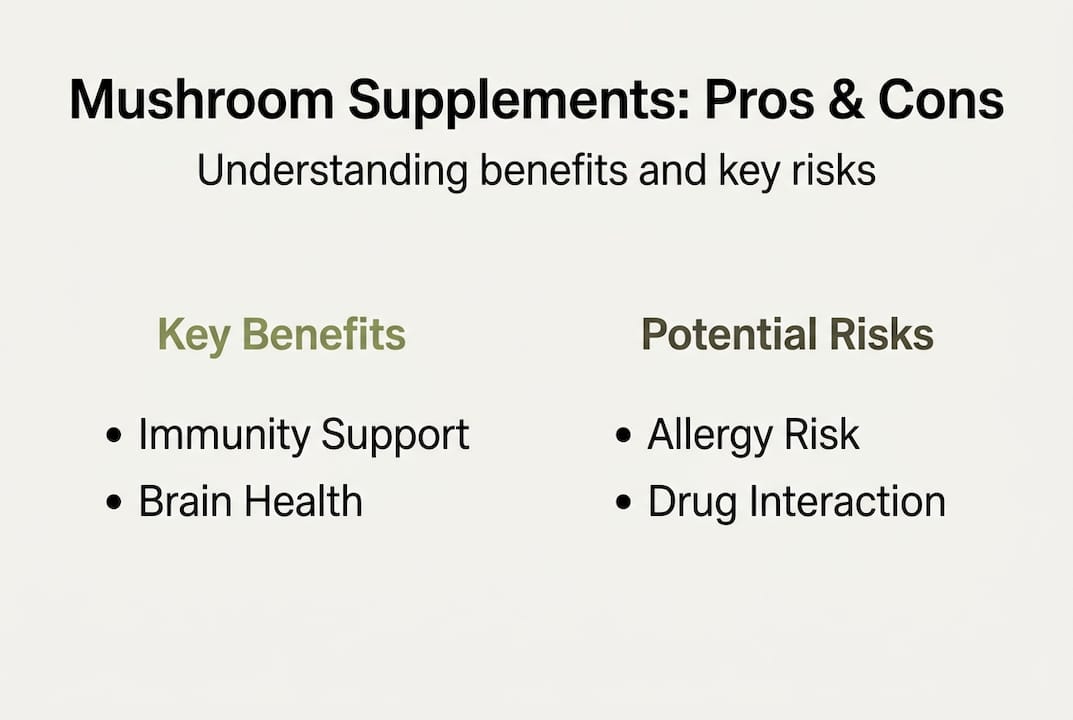
Pro Tip: Look for supplements that list the beta-glucan percentage on the label. A product without this disclosure cannot confirm active compound concentration, regardless of what the marketing claims.
Choosing and using mushroom supplements safely
Knowing the science is only useful if it translates into better purchasing decisions. Here is what to look for on a label before buying:
| Quality factor | What to look for | Red flag |
|---|---|---|
| Source material | Fruiting body stated clearly | “Mycelium on grain” only |
| Extraction method | Dual-extracted or hot water extracted | No extraction method listed |
| Beta-glucan content | Percentage listed (e.g., 30% beta-glucans) | No standardization info |
| Certifications | Organic, third-party tested, GMP certified | No certifications listed |
| Label transparency | Full ingredient list, no proprietary blends | “Proprietary blend” hides dosages |
Red flags to avoid when shopping:
- Undisclosed proprietary blends with no individual dosages
- Vague health claims like “supports everything” without specifics
- No mention of extraction method or source material
- Excessive claims that sound like drug-level treatments
Reishi safety data indicates that mushroom supplements are generally well tolerated, but edge cases exist. People with low blood pressure, bleeding disorders, or those taking blood thinners should avoid Reishi without consulting their provider. Pregnancy and long-term use data remain limited across most mushroom types.
A practical mushroom powder checklist can help you evaluate products systematically. For those looking to maximize mushroom powder benefits, starting with a clear protocol matters as much as the product itself.
Pro Tip: Start with the lowest suggested dose for the first two weeks and track any changes in energy, digestion, or sleep. This approach helps identify how your body responds before committing to higher doses, especially if you take other supplements or medications.
The real deal with mushroom supplements: What most guides overlook
Most mushroom supplement content online leans heavily on preclinical data, which means animal studies and lab results, and presents those findings as if they apply directly to humans at standard supplement doses. That is a significant stretch.
Human RCTs for Reishi and similar mushrooms are small in sample size and often poor in methodological quality. Preclinical antitumor results are promising, but they do not translate into clinical recommendations. This does not mean mushroom supplements are ineffective. It means the evidence supports them as wellness adjuncts, not as primary therapies.
The practical takeaway is this: consistency and preparation matter more than dose size. A standardized, dual-extracted Lion’s Mane taken daily for 8 to 12 weeks will outperform a high-dose, poorly extracted product taken sporadically. Daily habit and product quality are the real variables.
No mushroom supplement is a first-line therapy. Always complement, never substitute for, proven medical treatments. The value of mushrooms is in the support they provide alongside a healthy lifestyle, not instead of one.
For those tracking latest mushroom supplement trends, the direction in 2026 is toward standardization and transparency, which is exactly what informed buyers should be demanding from brands.
Find quality mushroom supplements for your wellness journey
With a clear picture of what dietary supplements are, how mushroom varieties work, and what quality looks like, the next step is finding products that meet those standards. Longevity Botanicals offers a curated selection of certified, standardized mushroom supplements with full label transparency, including fruiting body content and extraction method details. Browse mushroom capsule supplements for convenient daily formats, explore mushroom powder supplements for flexible dosing options, or shop by goal with mushrooms for brain health to find products matched to cognitive support goals.

Frequently asked questions
What makes mushroom supplements different from other dietary supplements?
Mushroom supplements provide unique bioactive compounds, especially beta-glucans that modulate immunity and support cognitive health, which go beyond what standard vitamins or minerals offer.
Are mushroom dietary supplements safe for everyone?
Most are well tolerated, but edge cases include low blood pressure and bleeding disorders; anyone on specific medications or who is pregnant should consult their provider before use.
How soon can I expect to feel benefits from mushroom supplements?
Many effects, especially for brain and immune support, are gradual. Lion’s Mane effects are cumulative and may take several weeks of consistent daily use to become noticeable.
What’s the difference between mushroom fruiting body vs mycelium supplements?
Fruiting body supplements typically provide higher concentrations of active compounds. Fruiting body outperforms mycelium for hericenones and beta-glucans, making dual-extracted fruiting body products the preferred choice.
Should I take mushroom supplements for cancer or as a replacement for medication?
Current evidence does not support this. Insufficient evidence exists for mushrooms as first-line cancer treatment or long-term survival support; they are adjuncts only, not replacements for proven medical therapy.
Recommended
- Mushroom supplement dos and don’ts: safe guide for wellness – LongevityBotanicals
- Unlock wellness benefits with mushroom supplements – LongevityBotanicals
- Why Use Mushroom Supplements for Wellness – LongevityBotanicals
- Mushroom Supplement Trends 2026: What Matters – LongevityBotanicals
- Why compliance matters for food and supplement brands
Related Posts

Why Water-Soluble Mushroom Compounds Drive Real Results

What Is Mushroom Sustainability? Benefits and Practices

The Role of Organic Farming in Mushrooms Explained

What Is a Fruiting Body? Mushroom Science Explained

Mushroom Allergenicity Explained: Symptoms and Safe Use

Top 5 naturesrise.com Mushroom Supplement Alternatives 2026

Top 6 Hemplucid.com Alternatives for 2026


