
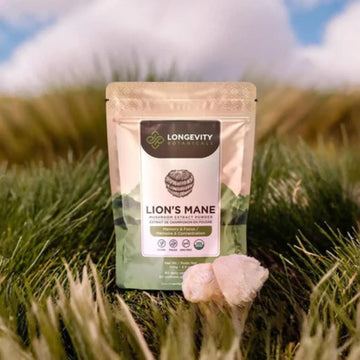




You’ve probably heard medicinal mushrooms support brain health, but which ones actually work? Not all mushroom species offer cognitive benefits, and the mechanisms behind their effects remain unclear to many consumers. Scientific research reveals four key mushrooms that target distinct aspects of brain function through measurable biological pathways. Understanding these species-specific actions helps you choose the right natural cognitive support for your needs.
Table of Contents
- Introduction To Medicinal Mushrooms And Brain Health
- How Mushrooms Influence Brain Function: Mechanisms Explained
- Clinical Evidence Supporting Cognitive Benefits Of Medicinal Mushrooms
- Common Misconceptions About Mushrooms And Brain Health
- Comparing Key Medicinal Mushrooms For Brain Health
- Practical Considerations For Mushroom Supplementation
- Conclusion: Integrating Medicinal Mushrooms Into Brain Health Strategies
- Explore Longevity-Focused Mushroom Supplements For Brain Health
- Frequently Asked Questions
Key takeaways
| Point | Details |
|---|---|
| Species-specific benefits | Each medicinal mushroom targets unique brain health mechanisms, from neurogenesis to stress reduction. |
| Lion’s Mane delivers results | Clinical trials demonstrate 15% cognitive improvement in mild cognitive impairment patients over 16 weeks. |
| Mechanisms matter | Lion’s Mane promotes nerve growth, Reishi reduces inflammation, and Cordyceps boosts neuronal energy metabolism. |
| Time investment required | Expect measurable benefits after 8 to 16 weeks of consistent supplementation, not immediate effects. |
| Safe complementary support | Mushroom supplements offer neuroprotective benefits with favorable safety profiles for most adults. |
Introduction to medicinal mushrooms and brain health
Medicinal mushrooms have served traditional medicine systems for centuries, with practitioners recognizing their cognitive and neurological benefits long before modern science validated these effects. Today, four primary species stand out for brain health support: Lion’s Mane, Reishi, Cordyceps, and Turkey Tail. Each mushroom addresses specific cognitive goals through distinct biological mechanisms.
Lion’s Mane excels at supporting memory and cognitive maintenance through nerve growth promotion. Reishi reduces neuroinflammation and helps your brain manage stress more effectively. Cordyceps enhances mental performance during fatigue by optimizing neuronal energy production. Turkey Tail primarily supports immune-related brain health, though its cognitive effects remain less direct than the other three.
U.S. consumers increasingly seek natural cognitive enhancers as alternatives to synthetic nootropics. The medicinal mushroom market has grown substantially as research validates traditional uses with clinical evidence. Understanding which mushroom matches your brain health goals prevents wasted effort and unrealistic expectations.
Different mushrooms for brain health target specific neural pathways:
- Lion’s Mane: Nerve growth factor stimulation, neurogenesis, cognitive maintenance
- Reishi: Neuroinflammation reduction, stress resilience, neuroprotection
- Cordyceps: Neuronal energy metabolism, mental performance under fatigue
- Turkey Tail: Immune-mediated brain support, antioxidant protection
Choosing the right species requires understanding both the mechanisms and your specific cognitive health objectives.
How mushrooms influence brain function: mechanisms explained
Medicinal mushrooms don’t simply boost brain function through generic pathways. Each species contains unique bioactive compounds that interact with specific neural mechanisms, producing measurable effects on cognition, inflammation, and cellular energy.
Lion’s Mane contains hericenones and erinacines, compounds that stimulate nerve growth factor (NGF) synthesis, promoting neurogenesis and neuronal repair. NGF plays a critical role in maintaining existing neurons and generating new ones, particularly in brain regions responsible for memory and learning. This mechanism explains why Lion’s Mane shows promise for cognitive maintenance and mild cognitive impairment.

Reishi mushrooms contain triterpenes and polysaccharides that reduce neuroinflammation by inhibiting pro-inflammatory cytokines like TNF-alpha and IL-6. Chronic brain inflammation contributes to cognitive decline and neurodegenerative conditions. By modulating inflammatory responses, Reishi helps protect neural tissue from damage while supporting overall brain resilience.
Cordyceps improves cognitive function through a different route: enhancing mitochondrial function and energy metabolism in neurons. Your brain consumes roughly 20% of your body’s energy despite representing only 2% of body weight. When neuronal energy production falters during stress or fatigue, cognitive performance suffers. Cordyceps supports optimal mitochondrial activity, maintaining mental clarity when you need it most.
All four brain health mushrooms share antioxidant properties. Their polysaccharides modulate oxidative stress by scavenging free radicals in brain tissue, protecting neurons from oxidative damage that accumulates with age and environmental stressors.
Key mechanisms by species:
- Lion’s Mane: NGF induction, neurogenesis, synaptic plasticity enhancement
- Reishi: Cytokine inhibition, microglial modulation, stress hormone regulation
- Cordyceps: Mitochondrial optimization, oxygen utilization, ATP production
- Shared: Free radical scavenging, oxidative stress reduction, neuroprotection
Pro Tip: Understanding these mechanisms helps you choose mushrooms that address your specific cognitive concerns. If mental fatigue dominates your experience, Cordyceps targets that directly. For memory support, Lion’s Mane offers the most relevant pathway.
These species work through fundamentally different biological processes. Combining mushrooms with complementary mechanisms can provide broader brain health support than single-species supplementation. Lion’s Mane addresses brain fog through multiple synergistic pathways.
Clinical evidence supporting cognitive benefits of medicinal mushrooms
Mechanisms matter, but clinical trials provide the proof you need to make informed decisions. Human studies on medicinal mushrooms reveal measurable cognitive improvements with consistent supplementation.
A double-blind trial demonstrated that Lion’s Mane supplementation improved cognitive function scores by 15% in mild cognitive impairment patients over 16 weeks. Participants received 750 mg three times daily, with benefits appearing gradually throughout the study period. Cognitive scores declined when supplementation stopped, suggesting ongoing use maintains effects.
Safety profiles across clinical trials remain favorable. Lion’s Mane supplementation shows good tolerability with minimal adverse effects reported. Most participants complete studies without discontinuing due to side effects, an important consideration when evaluating long-term supplementation.
Controlled studies measuring inflammatory markers show mushroom compounds reduce brain inflammation. Reishi specifically inhibits pro-inflammatory cytokines in activated microglial cells, the brain’s immune cells. Excessive microglial activation contributes to neurodegenerative processes, making this anti-inflammatory effect particularly relevant for cognitive preservation.
| Study Type | Mushroom | Key Finding | Duration |
|---|---|---|---|
| Double-blind RCT | Lion’s Mane | 15% cognitive score improvement in MCI patients | 16 weeks |
| Clinical trial | Lion’s Mane | Favorable safety profile, minimal adverse effects | 16 weeks |
| In vitro/animal | Reishi | Reduced pro-inflammatory cytokine expression | Variable |
| Animal model | Cordyceps | Enhanced cognitive performance under fatigue conditions | 4-8 weeks |
Animal studies complement human trials by revealing mechanisms and dose-response relationships difficult to measure in people. These studies show consistent neuroprotective effects across species and experimental models.
Pro Tip: Look for supplements standardized to the same compounds used in clinical research. Many Lion’s Mane products lack clinical validation because they don’t contain adequate levels of active hericenones and erinacines.
The evidence base continues growing as researchers investigate optimal dosing, combination therapies, and long-term effects. Current data supports mushroom supplementation as a safe, evidence-based approach to cognitive health maintenance.
Common misconceptions about mushrooms and brain health
Misunderstandings about medicinal mushrooms lead to unrealistic expectations and ineffective supplementation strategies. Clarifying these misconceptions helps you approach mushroom supplements with appropriate expectations.
Many people assume all mushrooms provide similar brain benefits. This belief ignores the species-specific compounds and mechanisms that produce distinct effects. Shiitake offers immune support but lacks the NGF-stimulating compounds found in Lion’s Mane. Choosing mushrooms based on brain health goals requires understanding these differences.
Another common misconception involves timing. Some consumers expect immediate cognitive boosts similar to caffeine or other stimulants. Cognitive benefits from mushrooms require consistent use for 8 to 16 weeks; immediate effects are unlikely. The mechanisms underlying mushroom benefits involve cellular changes that accumulate gradually over time.
People sometimes view mushroom supplements as standalone treatments for serious neurological conditions like dementia or Alzheimer’s disease. While research shows neuroprotective potential, mushrooms function as complementary support for brain health, not replacements for medical treatment. They may help maintain cognitive function but shouldn’t replace evidence-based therapies for diagnosed conditions.
The “more is better” mentality causes problems too. Exceeding recommended dosages doesn’t accelerate benefits and may increase the risk of mild side effects. Clinical trials establish effective dose ranges based on safety and efficacy data.
Key misconceptions corrected:
- Myth: All mushrooms boost brain function equally
- Reality: Species-specific compounds target different neural mechanisms
- Myth: Mushroom supplements work immediately like caffeine
- Reality: Benefits accumulate over 2 to 4 months with consistent use
- Myth: Mushrooms cure neurological diseases
- Reality: They support brain health as complementary tools, not standalone treatments
- Myth: Higher doses produce faster results
- Reality: Clinically established doses balance efficacy and safety
Understanding what mushroom supplements can and cannot do helps you integrate them appropriately into your cognitive health strategy. Realistic expectations prevent disappointment while allowing you to appreciate the genuine benefits these natural compounds provide.
Comparing key medicinal mushrooms for brain health
Each brain health mushroom offers distinct advantages based on its unique bioactive profile. Direct comparison helps you select species aligned with your cognitive goals.
Lion’s Mane stands out for cognitive maintenance and mild cognitive impairment support. Its ability to promote nerve growth factor production makes it the top choice for memory concerns and neurogenesis support. Research specifically validates Lion’s Mane for cognitive enhancement in aging populations.
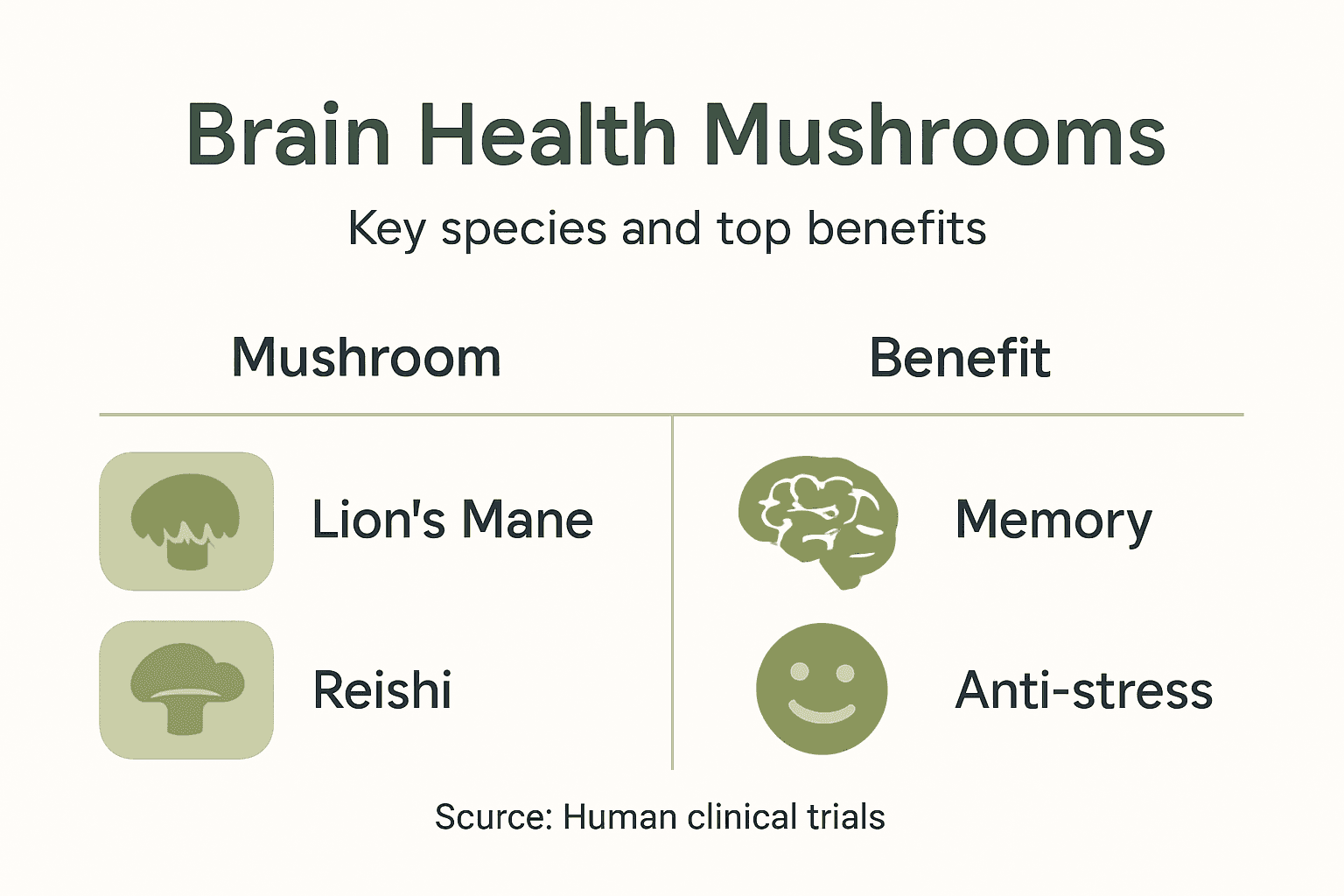
Reishi excels at reducing neuroinflammation and supporting brain resilience during stress. If chronic stress affects your cognitive performance, Reishi’s adaptogenic properties and anti-inflammatory effects address the underlying issue. It helps protect brain tissue from stress-related damage while promoting calmer mental states.
Cordyceps targets mental performance during physical or cognitive fatigue. Athletes and professionals facing demanding mental tasks benefit most from Cordyceps’ ability to enhance neuronal energy metabolism. It maintains cognitive function when energy demands increase.
Turkey Tail primarily supports immune function, which indirectly benefits brain health through reduced systemic inflammation. However, its cognitive effects remain less direct than the other three species. Consider Turkey Tail for general wellness rather than targeted cognitive support.
| Mushroom | Primary Brain Benefit | Key Mechanism | Best For |
|---|---|---|---|
| Lion’s Mane | Cognitive enhancement, memory | NGF stimulation, neurogenesis | Memory support, MCI, cognitive maintenance |
| Reishi | Stress resilience, neuroprotection | Inflammation reduction, adaptogenic effects | Stress-related cognitive issues, brain resilience |
| Cordyceps | Mental performance under fatigue | Mitochondrial function, energy metabolism | Cognitive demands, mental fatigue, athletic performance |
| Turkey Tail | Immune-mediated brain support | Immune modulation, antioxidant activity | General wellness, immune support |
Combining species can provide comprehensive brain health support. Pairing Lion’s Mane with Reishi offers both cognitive enhancement and stress resilience. Cordyceps and Lion’s Mane together support energy metabolism while promoting neurogenesis.
Select mushrooms for brain health based on your primary concerns:
- Memory and learning: Lion’s Mane (primary) + Reishi (supporting)
- Stress-related cognitive decline: Reishi (primary) + Lion’s Mane (supporting)
- Mental fatigue and performance: Cordyceps (primary) + Lion’s Mane (supporting)
- Comprehensive brain health: All three in rotation or combination formulas
No single mushroom addresses every aspect of brain health. Understanding these distinctions empowers you to create targeted supplementation strategies.
Practical considerations for mushroom supplementation
Selecting and using mushroom supplements effectively requires attention to quality, dosing, and realistic timelines. Following evidence-based guidelines maximizes your chances of experiencing meaningful benefits.
Start with dosages validated in clinical research. Lion’s Mane studies typically use 500 to 3000 mg daily, often divided into multiple doses. Reishi doses range from 1000 to 3000 mg daily. Cordyceps effective doses span 1000 to 3000 mg daily. These ranges provide starting points; individual responses vary.
Quality matters significantly. Many mushroom supplements contain mycelium grown on grain, which dilutes active compounds with starch. Look for products specifying fruiting body extracts with standardized beta-glucan content. Dual extraction (water and alcohol) captures both water-soluble polysaccharides and alcohol-soluble triterpenes.
Consistent supplementation over 8 to 16 weeks allows bioactive compounds to accumulate and produce measurable effects. Sporadic use prevents the cellular changes necessary for cognitive benefits. Plan for at least 2 months before evaluating effectiveness.
Most adults tolerate mushroom supplements well. Mild digestive upset occurs occasionally, particularly with higher doses. People taking medications should consult healthcare providers before starting supplementation, especially those on immunosuppressants, anticoagulants, or diabetes medications.
Practical steps for effective supplementation:
- Identify your primary brain health goal (memory, stress resilience, mental energy)
- Select mushroom species targeting that goal using the comparison framework
- Choose high-quality extracts with standardized active compounds
- Start with research-supported doses (typically 1000-3000 mg daily)
- Commit to consistent use for at least 8 weeks before evaluating results
- Monitor your response and adjust dosing within safe ranges
- Consider combinations for comprehensive support after establishing baseline tolerance
Pro Tip: Take mushroom supplements with food to enhance absorption and reduce any potential digestive discomfort. The fat in meals helps absorb certain mushroom compounds more effectively.
Choosing mushroom supplements requires evaluating extraction methods, sourcing, and third-party testing. Using supplements effectively involves consistent timing, appropriate dosing, and patience as effects develop.
Conclusion: integrating medicinal mushrooms into brain health strategies
Medicinal mushrooms offer scientifically validated support for cognitive health through species-specific mechanisms. Lion’s Mane promotes neurogenesis, Reishi reduces neuroinflammation, and Cordyceps optimizes neuronal energy metabolism. Choosing mushrooms aligned with your brain health goals maximizes benefits while setting realistic expectations prevents disappointment.
Consistent supplementation over 2 to 4 months allows bioactive compounds to produce measurable cognitive improvements. Quality matters; select standardized extracts from reputable sources using proper extraction methods. Mushrooms function as complementary tools within comprehensive brain health strategies, not standalone solutions.
Explore longevity-focused mushroom supplements for brain health
Ready to support your cognitive health with science-backed mushroom supplements? Discover high-quality options designed specifically for brain health and cognitive enhancement. Browse organic mushroom capsules for convenient daily supplementation or explore mushroom powders for versatile use in beverages and recipes.
Whether you prefer single-species supplements targeting specific cognitive goals or comprehensive blends combining complementary mushrooms, quality matters for results. Learn how to choose mushroom supplements effectively by evaluating extraction methods, active compound standardization, and sourcing practices. Start your journey toward natural cognitive support with products backed by traditional use and modern research.
Frequently asked questions
What are the best mushrooms for improving cognitive function?
Lion’s Mane provides the strongest evidence for cognitive enhancement through nerve growth factor stimulation and neurogenesis support. Clinical trials demonstrate measurable improvements in memory and cognitive scores, particularly in mild cognitive impairment. Reishi helps reduce brain inflammation and supports resilience against stress-related cognitive decline. Cordyceps improves mental performance during fatigue by optimizing neuronal energy metabolism. Choose based on whether you prioritize memory support, stress resilience, or mental energy.
How long does it take to see brain health benefits from mushroom supplements?
Cognitive benefits typically emerge after 8 to 16 weeks of consistent mushroom supplement use. Expect gradual improvements over 2 to 4 months rather than immediate effects. The mechanisms underlying mushroom benefits involve cellular changes that accumulate slowly over time. Consistency matters more than high doses; daily supplementation produces better results than sporadic use.
Are mushroom supplements safe for everyone?
Mushroom supplements demonstrate favorable safety profiles for most adults with minimal side effects reported in clinical trials. Mild digestive upset occurs occasionally, especially at higher doses. People taking medications particularly immunosuppressants, anticoagulants, or diabetes drugs should consult healthcare providers before starting supplementation. Those with mushroom allergies should obviously avoid these products. Start with lower doses to assess individual tolerance.
Can I combine different medicinal mushrooms for brain health?
Combining mushrooms with complementary mechanisms often provides broader brain health support than single-species supplementation. Pairing Cordyceps and Lion’s Mane supports both energy metabolism and neurogenesis. Select combinations based on your specific cognitive goals; for example, Lion’s Mane plus Reishi addresses both memory and stress resilience. Many quality supplements offer pre-formulated blends designed for synergistic effects.
Recommended
- Best Mushrooms for Brain Health & Cognitive Support – LongevityBotanicals
- Medicinal Mushrooms Boost Immunity 40% & Cognition – LongevityBotanicals
- Can Lion’s Mane Really Sharpen an Aging Brain? Science Says Yes – LongevityBotanicals
- Best Mushrooms for Brain Fog and Mental Clarity – LongevityBotanicals
- Art as Therapy: How Painting Your Way Out of Darkness Improves Mental – Art-O-Rama Shop


