
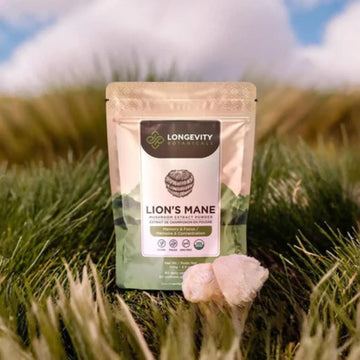
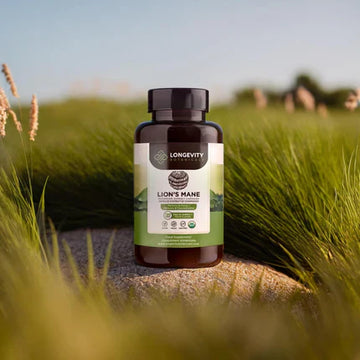



Mushroom powders promise cognitive clarity and immune resilience, yet conflicting dosage advice and inconsistent quality leave many consumers uncertain about effective use. Without a structured approach, you risk underdosing, missing optimal timing, or selecting inferior products that deliver minimal results. This guide provides a clear, evidence-based workflow to harness the full potential of mushroom powders, covering preparation, precise dosing, consumption methods, troubleshooting, and outcome verification. You’ll learn how to integrate these functional supplements into your daily routine for measurable cognitive and immune benefits backed by recent scientific research.
Table of Contents
- Understanding Mushroom Powder Benefits And Necessary Preparations
- Step-By-Step Mushroom Powder Benefit Workflow: Dosage, Timing, And Consumption
- Troubleshooting Common Issues And Ensuring Safety In Mushroom Powder Use
- Expected Results And How To Verify Mushroom Powder Benefits
- Explore Quality Mushroom Powders And Supplements For Your Health Journey
- Frequently Asked Questions
Key takeaways
| Point | Details |
|---|---|
| Bioactive compounds | Mushroom powders contain β-glucans, triterpenoids, and erinacines that support immune modulation and neuroprotection. |
| Dosage precision | Effective use requires 1-3 grams daily for powders or 300-1000 mg for extracts, measured with a digital scale. |
| Consistent timing | Morning intake optimizes cognitive benefits like focus and mental clarity throughout the day. |
| Practical incorporation | Mixing powders into beverages and foods masks earthy flavors and improves daily adherence. |
| Quality awareness | Selecting verified products and monitoring side effects ensures safety and maximizes bioavailability. |
Understanding mushroom powder benefits and necessary preparations
Medicinal mushrooms contain diverse bioactive compounds that deliver documented health benefits. Polysaccharides, particularly β-glucans, activate immune cells and enhance inflammatory response regulation. Triterpenoids provide anti-inflammatory effects by targeting cellular signaling pathways. Erinacines, found in Lion’s Mane, promote nerve growth factor synthesis and support cognitive function. Antioxidant phenolics protect cells from oxidative stress and aging.
These compounds work through multiple mechanisms. Medicinal mushroom bioactives demonstrate multi-target anti-inflammatory activity by modulating key cellular mediators and critical signaling cascades. Edible mushrooms are rich in proteins, fibers, vitamins, minerals, and diverse bioactive compounds that support overall wellness. Understanding these mechanisms helps you set realistic expectations and choose appropriate products.
Before starting supplementation, select quality powders from trusted sources with third-party testing. Verify proper species identification to avoid toxic look-alikes. Check for organic certification and extraction methods that preserve bioactive integrity. Review product labels for beta-glucan content and fruiting body versus mycelium composition. Learn about ways mushrooms boost wellness to align your choices with specific health goals.
Essential bioactive compounds and their primary effects:
- β-glucans: Activate macrophages and natural killer cells for enhanced immune surveillance
- Triterpenoids: Reduce inflammatory cytokines and support liver detoxification pathways
- Erinacines: Stimulate nerve growth factor production and protect neurons from damage
- Antioxidants: Neutralize free radicals and prevent cellular oxidative damage
- Ergothioneine: Protects mitochondria and supports cellular energy production
Pro Tip: Store mushroom powders in airtight containers away from light and moisture to preserve potency and prevent degradation of sensitive compounds.
Step-by-step mushroom powder benefit workflow: dosage, timing, and consumption
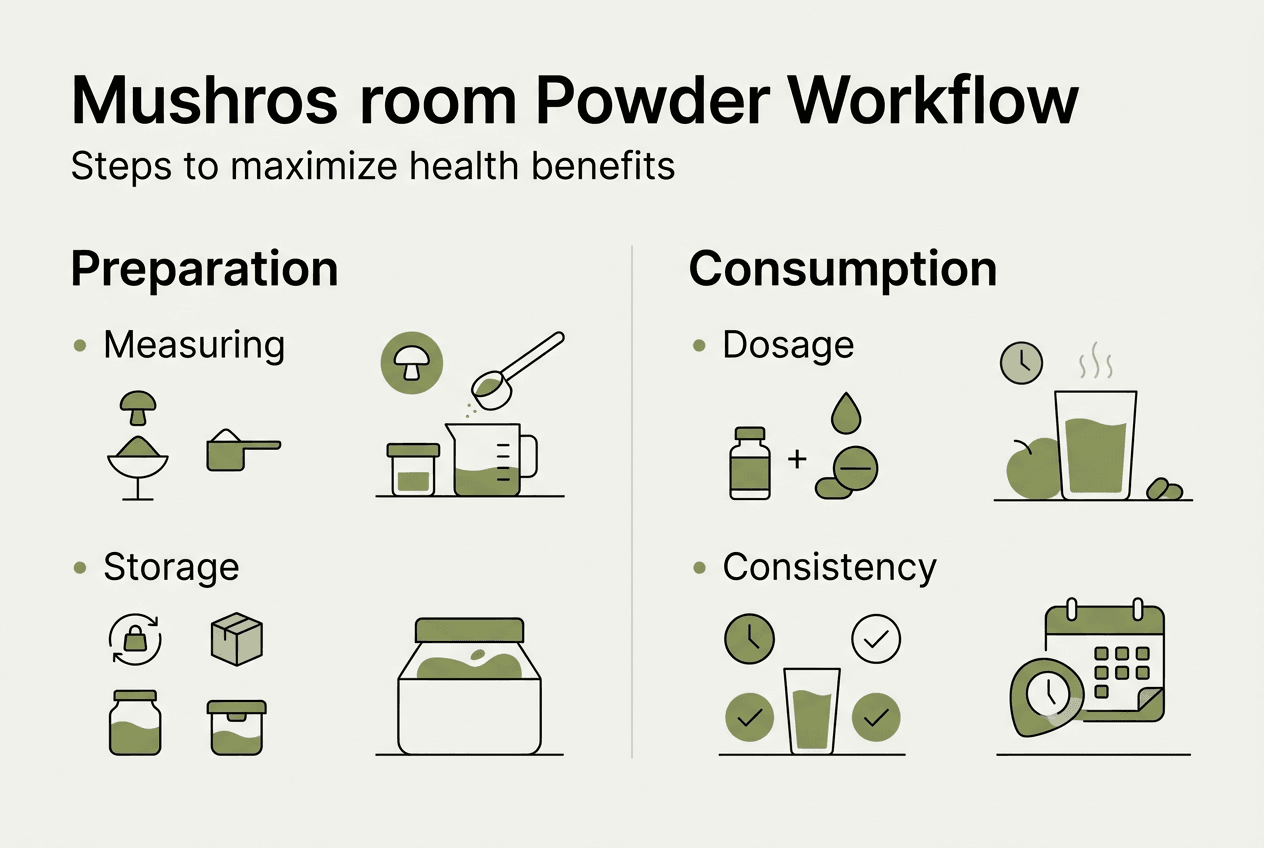
Precise execution maximizes the therapeutic potential of mushroom powders. Follow this systematic workflow to optimize cognitive and immune benefits while maintaining safety and consistency.
-
Measure your dose using a digital scale accurate to 0.1 grams. Use 1-3 grams daily for whole mushroom powder or 300-1000 mg for concentrated extracts. Start at the lower end if you’re new to mushroom supplementation.
-
Time your intake strategically. Morning consumption often maximizes cognitive benefits, supporting focus and mental clarity throughout your active hours. Some users prefer splitting doses between morning and early afternoon for sustained effects.
-
Select your consumption method based on convenience and taste preferences. Hot beverages like coffee or tea mask earthy flavors effectively. Smoothies with fruits and nut butters create pleasant flavor profiles. Oatmeal, yogurt, and savory soups provide additional options. Explore mushroom powder for coffee to enhance your morning routine.
-
Mix thoroughly to prevent clumping. Add powder to a small amount of liquid first, stir into a smooth paste, then incorporate into your full beverage or meal. This technique ensures even distribution and better absorption.
-
Track your daily intake using a journal or health app. Record dose amount, timing, consumption method, and any notable effects. This data helps identify patterns and optimize your personal protocol.
-
Adjust gradually based on your response. If you experience no benefits after two weeks at the starting dose, increase by 0.5 grams every week until you notice improvements. Never exceed recommended maximums without professional guidance.
Practical mixing options for daily use:
- Coffee or matcha lattes: Blend powder with hot liquid using a frother for smooth integration
- Protein smoothies: Combine with banana, berries, and plant-based milk for nutrient density
- Overnight oats: Stir into oats before refrigeration for easy morning consumption
- Bone broth or miso soup: Add to savory liquids for umami flavor enhancement
Consistency matters more than perfection. Missing occasional doses won’t derail progress, but irregular use prevents you from experiencing cumulative benefits. Establish a routine by linking mushroom powder intake to an existing habit like breakfast or morning coffee preparation. Consider blending mushroom powders for synergistic effects and broader health support.
Review explained mushroom dosage guidelines to understand species-specific recommendations and avoid common dosing mistakes that limit effectiveness.
Pro Tip: Start your mushroom powder routine on a weekend when you can monitor initial effects without work pressure, allowing you to adjust timing or dose before integrating into weekday schedules.

Troubleshooting common issues and ensuring safety in mushroom powder use
Even with proper preparation, you may encounter challenges that require adjustment. Understanding potential issues helps you maintain safe, effective supplementation.
Potential side effects include stomach discomfort, headache, and allergic reactions in sensitive individuals. These symptoms typically occur when starting supplementation or after dose increases. Mild digestive upset often resolves within a few days as your system adapts. Persistent or severe symptoms warrant discontinuation and professional consultation.
Product quality varies significantly across brands. Unverified products lack standardization and regulatory oversight, leading to inconsistent potency and potential contamination. Some manufacturers use mycelium grown on grain substrates rather than fruiting bodies, reducing beta-glucan content and therapeutic value. Always verify third-party testing certificates and species authentication.
Clinical translation faces challenges like poor bioavailability, lack of standardization, and undefined dose-response relationships. These limitations mean results vary between individuals and products. Advanced delivery systems using liposomal encapsulation or dual-extraction methods improve compound absorption and effectiveness.
Common mistakes that reduce effectiveness:
- Taking inconsistent doses or skipping days frequently
- Using expired products with degraded bioactive compounds
- Expecting immediate results instead of allowing weeks for cumulative effects
- Ignoring product quality indicators like beta-glucan percentages
- Combining with medications without checking for interactions
Species identification errors pose serious risks. Some toxic mushrooms resemble edible varieties, making wild harvesting dangerous without expert knowledge. Purchase only from reputable suppliers who provide clear species documentation and growing conditions. Learn about choosing the best mushroom powder to avoid quality pitfalls.
Understand differences between extract and powder to select the appropriate form for your needs and budget. Extracts concentrate active compounds but cost more, while powders provide whole-food nutrition at lower prices.
Clinical translation of mushroom bioactives faces challenges including poor bioavailability, lack of standardization, and undefined dose-response relationships that require careful product selection and consistent monitoring.
Pro Tip: Consult a healthcare provider before starting mushroom supplementation if you take immunosuppressants, blood thinners, or diabetes medications, as compounds may interact with these drug classes.
Expected results and how to verify mushroom powder benefits
Setting realistic expectations and tracking progress ensures you recognize benefits and maintain motivation. Mushroom powder effects accumulate gradually rather than appearing overnight.
Cognitive improvements develop over weeks of consistent use. Hericium erinaceus increases cognitive scores and supports neuroprotection through nerve growth factor stimulation. You may notice enhanced focus during complex tasks, improved recall of recent information, and more stable mood regulation. Mental clarity often improves before memory enhancement becomes apparent.
Immune support manifests through reduced inflammation markers and enhanced antioxidant capacity. Cordyceps and Ganoderma lucidum improve endurance and antioxidant markers in athletic populations. You might experience fewer minor illnesses, faster recovery from exercise, and improved stress resilience.
| Outcome Measure | Typical Timeline | Expected Improvement |
|---|---|---|
| Cognitive test scores | 4-8 weeks | 10-15% increase in memory and attention tasks |
| Antioxidant enzyme activity | 6-12 weeks | 20-30% elevation in superoxide dismutase and glutathione |
| Blood lactate levels | 3-6 weeks | 15-25% reduction during endurance exercise |
| Inflammation markers | 8-12 weeks | 20-40% decrease in C-reactive protein and cytokines |
| Subjective energy levels | 2-4 weeks | Moderate to significant improvement in daily vitality |
Track progress using multiple methods. Keep a daily journal noting mental clarity, mood, energy, and physical performance. Use cognitive assessment apps to measure attention span and working memory objectively. Monitor sleep quality and recovery time after workouts. Take baseline measurements before starting supplementation, then reassess monthly.
Signs of cognitive benefit to monitor:
- Sustained focus during lengthy projects without mental fatigue
- Improved recall of names, details, and recent conversations
- Enhanced problem-solving ability and creative thinking
- More stable mood with reduced anxiety or irritability
Results vary based on mushroom species, extraction quality, individual metabolism, and baseline health status. Lion’s Mane primarily supports cognitive function, while Reishi emphasizes immune modulation and stress adaptation. Cordyceps enhances physical performance and energy production. Consider your specific goals when selecting products and evaluating outcomes.
Regular benefit reviews keep you motivated and inform protocol adjustments. If progress stalls after initial improvements, try increasing dose slightly, switching consumption timing, or exploring combination formulas. Stay current with latest mushroom supplement trends to discover emerging research and optimized delivery methods.
Explore quality mushroom powders and supplements for your health journey
Now that you understand how to maximize mushroom powder benefits through proper preparation, precise dosing, and outcome tracking, you need reliable products to support your wellness routine. Quality matters significantly when selecting supplements that deliver consistent therapeutic compounds.
Choose trusted brands offering organic mushroom powders with verified beta-glucan content and third-party testing. These products ensure you receive authentic fruiting body extracts rather than mycelium-grain blends with limited bioactive compounds. Organic certification reduces exposure to pesticides and heavy metals that compromise health benefits.
Explore mushroom blend supplements targeting specific goals like immune support, cognitive enhancement, or athletic performance. Synergistic formulations combine complementary species for broader effects than single-mushroom products. Consider organic mushroom capsule supplements for convenient, pre-measured dosing that supports consistent daily intake without preparation time.
Frequently asked questions
What is the best mushroom powder dosage for beginners?
Begin with 1 gram daily of whole mushroom powder and gradually increase up to 3 grams depending on tolerance and benefits experienced. Start with 1-3 grams daily for whole mushroom powders and adjust based on your body’s response over two to four weeks. Consistent intake matters more than finding a perfect dose immediately. Monitor effects carefully before increasing, and review mushroom dosage explained for species-specific guidance.
Can mushroom powders cause side effects or allergic reactions?
Side effects are generally mild and uncommon but include digestive upset, headaches, and allergic reactions in sensitive individuals. Potential side effects include stomach discomfort, headache, and allergic reactions that typically resolve when you reduce dose or discontinue use. If symptoms persist beyond a few days or worsen, stop supplementation and consult a healthcare professional. Learn about best mushroom powder selection to choose products that minimize adverse reactions.
How long does it take to notice cognitive and immune benefits?
Expect at least four to six weeks of consistent daily use to observe cognitive improvements and immune system enhancement. Cognitive benefits like improved focus may appear after several weeks, while immune markers improve over continuous supplementation. Individual results vary based on mushroom species, extraction quality, baseline health status, and personal metabolism. Track your progress systematically and review mushroom supplement benefits timeline to understand typical response patterns.
What is the difference between mushroom extract and powder?
Powders contain whole mushroom fruiting bodies with all naturally occurring compounds, while extracts concentrate specific bioactive components through processing. Extracts typically offer higher potencies of beta-glucans and triterpenoids but cost more per serving. Your choice depends on health goals, budget, and preference for whole-food nutrition versus concentrated compounds. Review mushroom extract versus powder to understand which form best supports your wellness objectives and fits your supplementation routine.
Recommended
- How to Blend Mushroom Powders: 68% See Immune Boost – LongevityBotanicals
- Master the Mushroom Blending Process for Optimal Wellness – LongevityBotanicals
- Mushroom Extract vs Powder: Choosing for Optimal Health – LongevityBotanicals
- Mushroom Powder For Coffee: Benefits And How To Use It – LongevityBotanicals


