



TL;DR:
- Adaptogenic mushrooms vary in research support, with Reishi, Lion’s Mane, Cordyceps, Turkey Tail, and Shiitake having the most evidence.
- Quality factors like extract type and standardization are crucial for selecting effective mushroom supplements.
- Matching mushroom type to personal health goals and population specifics maximizes benefits and results.
The market for adaptogenic mushrooms has grown fast, and that growth brings noise. With dozens of products promising stress relief, sharper focus, and immune resilience, knowing which mushrooms actually deliver is harder than it should be. Not every mushroom earns its adaptogenic label through solid research. Some have strong trial data behind them. Others rely mostly on traditional use and marketing copy. This guide cuts through the clutter by focusing on five of the best-studied adaptogenic mushrooms, what the evidence shows, and how to match each one to your actual wellness goals.
Table of Contents
- How to evaluate adaptogenic mushrooms
- Top adaptogenic mushrooms and their benefits
- Comparing adaptogenic mushrooms: benefits at a glance
- How to choose the right mushroom for your needs
- What most guides miss about adaptogenic mushrooms
- Upgrade your wellness with quality mushroom supplements
- Frequently asked questions
Key Takeaways
| Point | Details |
|---|---|
| Science-backed mushrooms | The most effective adaptogenic mushrooms are supported by clinical research for stress, immunity, and cognition. |
| Choose by wellness goal | Match the mushroom’s strengths—like stress relief, energy, or immune modulation—to your personal health needs. |
| Product quality matters | Fruiting body extracts and standardized doses offer the best evidence-backed results. |
| Benefits differ by person | Adaptogenic advantages may vary; results are more prominent in stressed, older, or impaired individuals. |
How to evaluate adaptogenic mushrooms
An adaptogenic mushroom is broadly defined as a natural substance that helps the body resist biological, chemical, and physical stress without disrupting normal function. That definition sounds simple, but the science behind it is specific. Not every mushroom qualifies, and not every product delivers what the label promises.
When evaluating any adaptogenic mushroom, a few factors separate reliable options from overhyped ones:
- Extract type: Fruiting body extracts tend to contain more bioactive compounds than mycelium-based products. This difference in source material directly affects potency.
- Standardization: Look for products standardized to known actives like beta-glucans or hericenones, so you know what you’re actually getting per dose.
- Dose and duration: Many trials use specific dose ranges over weeks or months. Single-dose effects differ from chronic vs acute effects, and results vary accordingly.
- Population studied: Research findings in stressed, older, or immune-compromised individuals don’t always carry over to healthy, younger adults.
Top adaptogenic mushrooms are supported by randomized controlled trials showing measurable effects on stress markers, cognitive scores, and immune function. That level of evidence is the benchmark worth holding all products to.
Pro Tip: Always check whether a supplement lists beta-glucan content on the label. If it doesn’t, the manufacturer may not be able to confirm potency.
Evaluating with these criteria in mind narrows a crowded field down to a handful of mushrooms with real clinical backing.
Top adaptogenic mushrooms and their benefits
Reishi, Lion’s Mane, Cordyceps, Turkey Tail, and Shiitake have the strongest evidence for adaptogenic effects. Each one works through different mechanisms and targets different health areas.
-
Reishi (Ganoderma lucidum): Known for immune modulation and stress support. Active compounds include triterpenes and beta-glucans. Research points to effects on the HPA axis (the body’s central stress response system), making Reishi a go-to option for stress resilience and sleep quality.
-
Lion’s Mane (Hericium erinaceus): Stands out for cognitive support and nerve health. Lion’s Mane research shows improvements in memory and focus, especially in older adults. Hericenones and erinacines are its key actives, stimulating nerve growth factor (NGF) production in the brain.
-
Cordyceps (Cordyceps militaris or sinensis): Targets energy and physical stamina. Adenosine and cordycepin are its main active compounds, with evidence pointing to improved oxygen utilization and reduced fatigue. Athletes and active adults use it most.
-
Turkey Tail (Trametes versicolor): Primarily an immune mushroom. Polysaccharides PSK and PSP (two well-studied immune compounds) drive its effects on natural killer (NK) cell activity and gut-associated immune function.
-
Shiitake (Lentinula edodes): Supports immune response and cardiovascular health. Lentinan, its key beta-glucan, activates immune pathways and shows some cholesterol-lowering properties in trials.
“The distinction between these mushrooms isn’t just about what they support, it’s about who benefits most and when.”
Pro Tip: For Lion’s Mane and cognition, trials show the most consistent results in adults over 50 or those experiencing mild cognitive decline. Younger, healthy adults may notice subtler effects.
Each mushroom fills a specific role. Understanding those roles is the first step toward choosing the right one.
Comparing adaptogenic mushrooms: benefits at a glance
Side-by-side comparisons help cut through the overlap between these five mushrooms. All of them support immunity to some degree, but their primary strengths differ clearly.
| Mushroom | Primary benefit | Key compounds | Best for | Strength of evidence |
|---|---|---|---|---|
| Reishi | Stress, immunity | Triterpenes, beta-glucans | Stress resilience, sleep | Moderate to strong |
| Lion’s Mane | Cognition, nerve health | Hericenones, erinacines | Memory, focus, aging adults | Strong in older adults |
| Cordyceps | Energy, stamina | Adenosine, cordycepin | Athletic performance, fatigue | Moderate |
| Turkey Tail | Immune support | PSK, PSP polysaccharides | Immune function, gut health | Strong |
| Shiitake | Immunity, cholesterol | Lentinan | General immune support | Moderate |
A few numbers worth noting: randomized trials show MMSE cognitive scores (a standard memory test) improved by an average of 1.17 points with Lion’s Mane supplementation in older adults. Turkey Tail trials showed measurable increases in NK cell counts, a direct marker of immune activity.

Immunity is enhanced by Reishi, Turkey Tail, and Shiitake through specific polysaccharides, with Turkey Tail showing the most consistent immune cell data.
Key takeaways from the comparison:
- Best for stress: Reishi
- Best for cognition: Lion’s Mane (especially for older adults or those researching top Lion’s Mane brands)
- Best for energy: Cordyceps
- Best for immunity: Turkey Tail or Shiitake
For most people, one or two mushrooms aligned to a primary goal will outperform a random stack of five.
How to choose the right mushroom for your needs
With the comparison clear, the next step is matching mushroom benefits to your personal wellness priorities. A targeted approach almost always works better than taking everything at once.
-
Identify your primary goal. Stress and sleep issues point toward Reishi. Focus and memory concerns, especially as you get older, point toward Lion’s Mane. Fatigue or active performance goals point toward Cordyceps for stamina. Immune support points toward Turkey Tail for immunity.
-
Match extract quality to your goal. Evidence is stronger in older or immune-compromised populations and when fruiting body extracts are used. If you’re a healthy adult under 40, expect more modest results and look for standardized extracts at the doses used in trials.
-
Consider stacking carefully. Some combinations make sense. Reishi and Lion’s Mane work well together for cognitive stress. Cordyceps and Turkey Tail pair naturally for active adults who also want immune coverage. But starting with one mushroom for 4 to 8 weeks first lets you notice specific effects before adding another.
-
Check your health context. Autoimmune conditions, medications, or pregnancy may change what’s safe or appropriate. Always verify with a healthcare provider before starting.
Pro Tip: If cognitive support is your main goal, look specifically for products with documented NGF support with Lion’s Mane, since NGF pathway activation is what drives the nerve-related benefits in trials.
Matching product quality, dose, and mushroom type to a specific goal is where most people see real results.
What most guides miss about adaptogenic mushrooms
Most “best mushroom” lists stop at naming the top five and ranking them. That’s a useful starting point, but it misses the more important factor: individual response and product quality matter more than which mushroom tops any list.
Here’s what’s often overlooked. Trial results in stressed, aging, or immune-compromised populations are significantly better than results in healthy adults with no clear deficits. A 60-year-old with mild cognitive decline will likely notice more from Lion’s Mane than a 30-year-old with no cognitive concerns. That doesn’t mean it won’t help younger users, but expectations need to be realistic.
Product quality is the other variable that guides rarely address with enough clarity. A mycelium-based Lion’s Mane product grown on grain and not tested for beta-glucan content will not replicate the results seen in trials that used standardized fruiting body extracts. The gap between a quality product and a cheap one isn’t marginal. It can mean the difference between noticing something and noticing nothing.
Some science-backed Lion’s Mane insights also point to the need for consistent, longer-term use. Most trials run 8 to 16 weeks. Short-term use rarely replicates those outcomes.
The practical takeaway: choose fruiting body extracts, verify beta-glucan content, align the mushroom to a real goal in your health profile, and give it enough time to work.
Upgrade your wellness with quality mushroom supplements
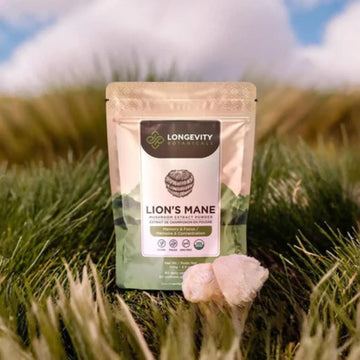
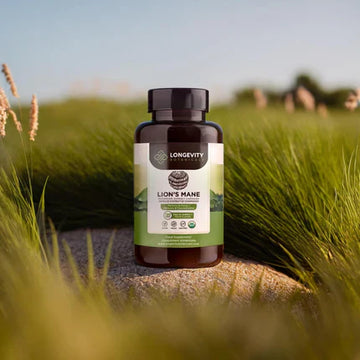
If the science points to anything clearly, it’s that quality sourcing and extract standardization are non-negotiable for real results. Longevity Botanicals carries a curated range of mushroom supplements built around those same standards, with organic mushroom capsules for straightforward daily use and organic mushroom powders for flexible dosing in smoothies or beverages. For those looking to address multiple goals at once, mushroom blend extracts combine research-backed mushrooms in targeted formulas. Each product category is designed to make consistent, effective supplementation simple without guesswork.
Frequently asked questions
Which adaptogenic mushroom is best for stress?
Reishi is widely regarded for stress support due to its effects on the HPA axis and stress resilience shown in human trials. It also supports sleep quality, which compounds its stress-related benefits over time.
What’s the difference between fruiting body and mycelium extracts?
Fruiting body extracts contain higher concentrations of the key bioactive compounds tested in clinical trials, while mycelium-based products are often less standardized. Extract type is one of the most important factors in determining whether a supplement matches trial-level potency.
Can anyone take adaptogenic mushrooms daily?
Most healthy adults tolerate daily mushroom supplementation well, but daily dosing has not been studied in all groups. People who are pregnant, have autoimmune conditions, or take immunosuppressive medications should consult a healthcare provider first.
Which mushroom has the most evidence for cognitive support?
Lion’s Mane leads in cognitive research, with trials showing improved MMSE scores in older adults and mechanisms tied to nerve growth factor stimulation. The evidence is strongest for adults experiencing age-related cognitive changes.


