

Top immune boosting mushrooms for natural health support
Choosing the right immune boosting mushroom can feel overwhelming when dozens of species claim health benefits. Understanding key selection criteria helps you evaluate which mushrooms deliver genuine immune support backed by clinical evidence. This guide examines five top immune boosting mushrooms with proven mechanisms, explains how their active compounds work, and provides practical dosing insights to help you make informed decisions for your wellness goals.
Table of Contents
- Key takeaways
- How to choose immune boosting mushrooms: criteria explained
- Reishi mushroom (Ganoderma lucidum): the versatile immune modulator
- Turkey Tail mushroom (Trametes versicolor): clinical adjunct with immune benefits
- Shiitake and Maitake mushrooms: immune modulators with therapeutic promise
- Cordyceps mushroom: endurance enhancer with immune support
- Comparing top immune boosting mushrooms: benefits and considerations
- Discover quality mushroom supplements for immune support
- Frequently asked questions
Key Takeaways
| Point | Details |
|---|---|
| Key active compounds | Beta-glucans and triterpenoids are the primary active compounds that modulate immune cells and signaling pathways. |
| Extraction boosts bioavailability | Hot water or dual extraction releases polysaccharides from chitin walls, dramatically improving absorption. |
| Clinical trial evidence | Randomized controlled trials and meta-analyses provide the strongest proof that a mushroom delivers measurable immune effects in humans. |
| Dosing and safety guidance | Dosing ranges from 75 mg to 5 g daily by species and extraction, and start with the lower end for 2 to 3 weeks to gauge individual response. |
| Reishi as modulator | Reishi is the most studied immune boosting mushroom with polysaccharides and triterpenoids that modulate NFKB and MAPK pathways to balance immune responses. |
How to choose immune boosting mushrooms: criteria explained
Selecting effective immune boosting mushrooms requires understanding what makes certain species superior for immune health. The most important criterion is the presence of bioactive compounds, specifically beta-glucans and triterpenoids that activate immune cells. Beta-glucans bind to pattern recognition receptors on macrophages, natural killer cells, and lymphocytes, triggering coordinated immune responses. Triterpenoids modulate signaling pathways like NF-κB and MAPK, fine-tuning inflammation and immune balance.
Bioavailability matters as much as compound presence. Raw mushroom powders contain beneficial polysaccharides locked inside tough chitin cell walls that human digestion cannot break down efficiently. Hot water extraction or dual extraction methods release these compounds, dramatically improving absorption. Look for supplements listing standardized beta-glucan percentages, typically 20-30% for quality extracts.
Clinical trial evidence separates marketing claims from real benefits. Randomized controlled trials and meta-analyses provide the strongest proof that a mushroom species delivers measurable immune effects in humans. Some mushrooms have extensive clinical validation while others rely on test tube studies or animal research that may not translate to human immunity.
Dosing flexibility and safety complete the evaluation framework. Effective doses vary widely between species, from 75mg to 5g daily depending on the mushroom and extraction method. Non-linear dose responses mean more is not always better. Safety profiles are generally excellent, but understanding how mushrooms support immunity helps you choose species aligned with your health status and goals.
Pro Tip: Start with a single mushroom species at the lower end of the dosing range for 2-3 weeks to assess your individual response before adding others or increasing amounts.
Reishi mushroom (Ganoderma lucidum): the versatile immune modulator
Reishi stands out as perhaps the most studied immune boosting mushroom with a 2,000-year history in traditional medicine and modern clinical validation. Its immune benefits come from a rich blend of polysaccharides and triterpenoids that enhance immune function in athletes and general populations. These compounds modulate key immune signaling pathways including NF-κB and MAPK, creating balanced immune responses rather than simple stimulation.
Reishi polysaccharides activate multiple immune cell types simultaneously. They enhance macrophage phagocytic activity, increase natural killer cell cytotoxicity, and stimulate T cell and B cell proliferation. This multi-target approach explains why Reishi works well for both acute immune challenges and chronic inflammatory conditions. A meta-analysis of athletic populations showed Reishi supplementation decreased blood urea nitrogen while increasing hematocrit and antioxidant enzyme activity, indicating improved recovery and reduced oxidative stress.
Dosing flexibility makes Reishi accessible for various needs. Clinical studies use doses ranging from 75mg of concentrated extract to 5g of less processed powder daily. Most standardized extracts recommend 1-2g daily, typically split into morning and evening doses. Effects build gradually over weeks rather than appearing immediately.
Reishi mushroom immune support works particularly well for individuals dealing with chronic inflammation, frequent minor infections, or high stress levels that compromise immunity. Its adaptogenic properties help the body maintain immune homeostasis under varying conditions.
Pro Tip: Take Reishi in the evening as its calming triterpenoids may promote relaxation and sleep quality alongside immune benefits.
Turkey Tail mushroom (Trametes versicolor): clinical adjunct with immune benefits
Turkey Tail has earned recognition as one of the most clinically validated immune boosting mushrooms, particularly for its role as an adjunct therapy. Its unique polysaccharides, PSK and PSP, have been studied extensively in cancer therapy and vaccine response, with randomized controlled trials demonstrating measurable immune benefits. These compounds activate both innate and adaptive immunity, stimulating T cells, natural killer cells, and dendritic cells.
Recent clinical trials explored Turkey Tail as a COVID-19 vaccine adjunct with promising results. Participants taking Turkey Tail supplements experienced reduced side effects from vaccination and potentially enhanced antibody responses compared to placebo groups. The polysaccharides appear to prime the immune system for more efficient antigen recognition while dampening excessive inflammatory reactions.
In cancer care, Turkey Tail has decades of clinical use in Japan and China as a complementary therapy alongside conventional treatments. Studies show PSK and PSP may improve survival rates and quality of life in certain cancer types by supporting immune surveillance and reducing treatment-related immune suppression. This does not replace standard cancer care but may enhance outcomes when used appropriately.
Turkey Tail’s safety profile is excellent with minimal reported side effects across numerous clinical trials. Standard dosing ranges from 1-3g of extract daily, often divided into two doses. The mushroom’s immune modulating effects appear most beneficial when taken consistently over months rather than sporadically.
Turkey Tail immune health applications extend beyond serious illness to general immune resilience, making it a versatile choice for health-conscious individuals seeking evidence-based natural support.
Shiitake and Maitake mushrooms: immune modulators with therapeutic promise
Shiitake and Maitake offer complementary immune boosting properties that make them valuable additions to a comprehensive mushroom protocol. Shiitake contains lentinan, a beta-glucan that reduces inflammatory markers while activating immune cells. A clinical trial with healthy women consuming 100g of cooked shiitake daily for four weeks showed significantly lowered inflammatory cytokines alongside improved immune cell function, demonstrating that even culinary amounts provide measurable benefits.
Maitake’s D-fraction beta-glucan demonstrates sophisticated immune modulation rather than simple stimulation. Clinical trials reveal it can both enhance and suppress specific immune parameters depending on baseline status, maintaining balance rather than pushing immunity in one direction. Phase I and II trials in breast cancer patients showed complex immune effects with improved quality of life, while a phase II trial in myelodysplastic syndrome demonstrated improved neutrophil and monocyte function.
| Mushroom | Primary Compound | Key Immune Effect | Typical Dose |
|---|---|---|---|
| Shiitake | Lentinan | Reduces inflammation, activates macrophages | 1-3g extract or 50-100g cooked |
| Maitake | D-fraction | Balances immune parameters, supports cancer care | 0.5-1mg/kg D-fraction or 2-5g whole extract |
The nuanced effects of these mushrooms make them particularly valuable for individuals with overactive immune responses or autoimmune concerns. Rather than simply boosting immunity, they help recalibrate immune function toward appropriate responses. This makes them safer options for people who need immune support without risking excessive stimulation.
Best mushrooms for immune health often include Shiitake and Maitake because they provide immune benefits through food as well as supplements, offering flexible integration into daily routines.
Pro Tip: Cooking shiitake mushrooms thoroughly before eating improves digestibility and may enhance lentinan bioavailability compared to raw consumption.
Cordyceps mushroom: endurance enhancer with immune support
Cordyceps stands apart from other immune boosting mushrooms by simultaneously supporting physical performance and immune function. Its polysaccharides improve aerobic endurance and reduce lactate accumulation in athletes while exerting anti-inflammatory effects that contribute to immune health. A meta-analysis of athletic studies showed Cordyceps supplementation significantly increased VO2peak, the gold standard measure of aerobic capacity.
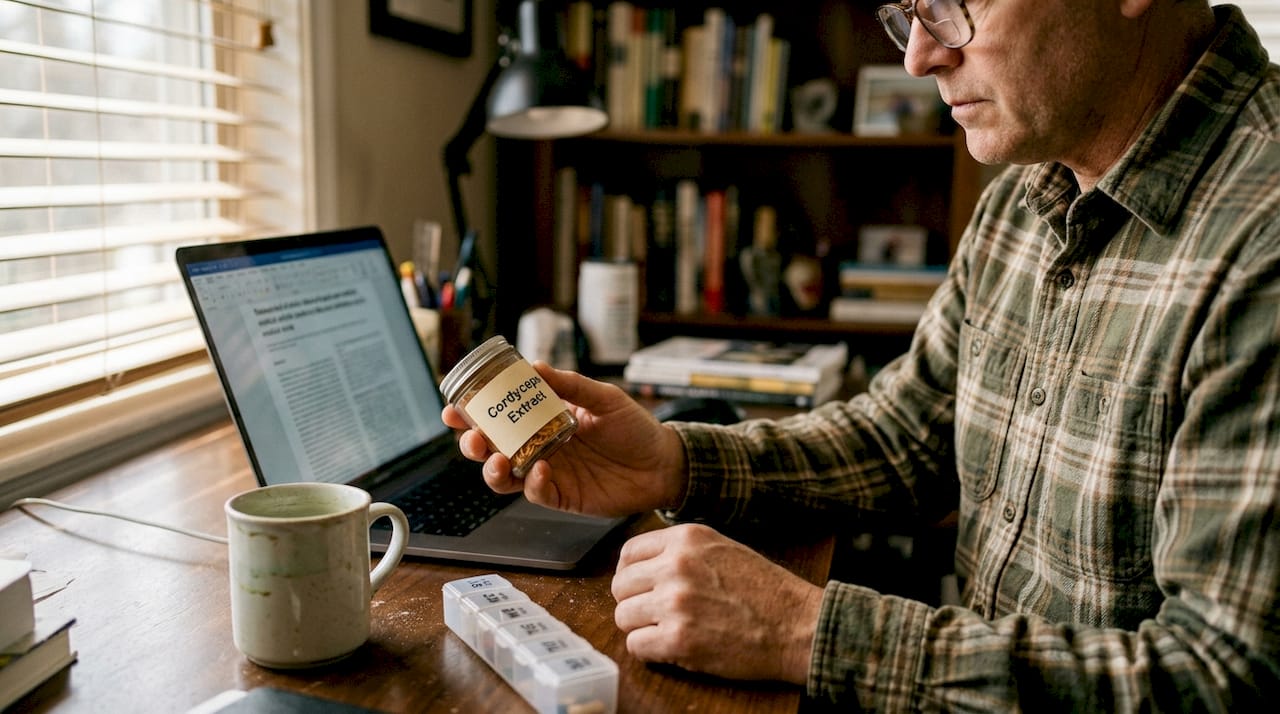
The immune benefits of Cordyceps work through different mechanisms than Reishi or Turkey Tail. Rather than directly activating immune cells, Cordyceps polysaccharides reduce systemic inflammation and oxidative stress that can impair immune function. This makes Cordyceps particularly valuable for active individuals whose intense training may temporarily suppress immunity. The mushroom helps maintain immune surveillance during periods of physical stress.
Cordyceps also supports respiratory health, which directly impacts immune defense against airborne pathogens. Traditional use for lung conditions has modern validation in studies showing improved oxygen utilization and reduced respiratory inflammation. This respiratory support complements the broader immune benefits.
Standard dosing for immune and performance benefits ranges from 2-3g daily, typically taken for 6-12 weeks to see full effects. Most clinical trials use Cordyceps sinensis or the more commonly cultivated Cordyceps militaris, both showing similar benefit profiles. Morning dosing often works best since Cordyceps can provide an energizing effect.
Cordyceps benefits boost energy immunity make it ideal for health-conscious individuals seeking combined immune support and enhanced vitality rather than immune benefits alone.
Comparing top immune boosting mushrooms: benefits and considerations
Understanding how these five immune boosting mushrooms compare helps you select the best option for your specific needs. Each offers distinct advantages based on active compounds, clinical evidence, and practical use considerations.
| Mushroom | Primary Mechanism | Best Use Case | Clinical Evidence | Safety Notes |
|---|---|---|---|---|
| Reishi | Broad immune modulation via polysaccharides and triterpenoids | Chronic inflammation, stress-related immune issues | Strong meta-analysis support | Excellent, may cause mild digestive upset initially |
| Turkey Tail | PSK/PSP activate T cells and NK cells | Vaccine adjunct, cancer complementary therapy | Multiple RCTs | Excellent, minimal side effects |
| Shiitake | Lentinan reduces inflammation | General immune support, inflammatory conditions | Clinical trial in healthy adults | Excellent, rare allergic reactions |
| Maitake | D-fraction balances immune parameters | Autoimmune concerns, cancer support | Phase I/II trials | Good, monitor blood sugar |
| Cordyceps | Anti-inflammatory, performance enhancement | Athletic immune support, respiratory health | Meta-analysis in athletes | Good, avoid if taking blood thinners |
The table reveals important patterns for decision making. Reishi and Turkey Tail have the most robust clinical evidence across diverse populations, making them reliable first choices. Shiitake offers the unique advantage of providing benefits through regular dietary consumption alongside supplementation. Maitake’s balancing effects suit individuals concerned about overstimulation, while Cordyceps serves those wanting combined performance and immune benefits.
Extract standardization significantly impacts effectiveness across all species. Products listing verified beta-glucan content deliver more predictable results than generic mushroom powders. Dual extraction methods capturing both water-soluble polysaccharides and alcohol-soluble triterpenoids provide fuller spectrum benefits, particularly important for Reishi.
Personalized dosing remains essential since immune responses vary individually. Starting conservatively and adjusting based on your experience prevents wasted investment and helps identify your optimal dose. Medicinal mushrooms immunity cognition benefits often emerge gradually over 4-8 weeks of consistent use rather than immediately.
Discover quality mushroom supplements for immune support
Exploring high-quality mushroom supplements helps you translate this knowledge into practical immune support. Organic mushroom capsule supplements offer convenient, pre-measured doses of single species or targeted blends, making it simple to incorporate these immune boosting mushrooms into your daily routine.
For those preferring flexibility, organic mushroom powders allow custom dosing and easy mixing into smoothies, coffee, or other beverages. Powder forms work well for individuals who want to adjust amounts based on their needs or combine multiple species in personalized ratios.
Mushroom blend extracts combine complementary species like Reishi, Turkey Tail, and Cordyceps to provide synergistic immune benefits in a single product. These formulations are developed with attention to extract standardization and bioavailability, ensuring you receive the beta-glucans and polysaccharides responsible for immune benefits.
Frequently asked questions
What are the best mushrooms for boosting immunity?
Reishi, Turkey Tail, Shiitake, Maitake, and Cordyceps rank as the top immune boosting mushrooms based on clinical evidence. Each works through different mechanisms, with Reishi and Turkey Tail having the most extensive research validation. Choose based on your specific needs: Reishi for stress-related immune issues, Turkey Tail for vaccine or cancer adjunct support, or Cordyceps for combined immunity and performance.
Are mushroom supplements safe for everyone?
Mushroom supplements are generally safe with minimal side effects reported in clinical trials. Mild digestive upset may occur initially as your body adjusts. People with mushroom allergies, those taking immunosuppressants, or individuals with bleeding disorders should consult healthcare providers before starting supplements. Pregnant and nursing women should also seek professional guidance.
How do beta-glucans in mushrooms support immune function?
Beta-glucans bind to pattern recognition receptors on immune cells, triggering activation of macrophages, natural killer cells, and lymphocytes. This binding signals potential pathogen presence, priming the immune system for more efficient responses. Beta-glucans also modulate cytokine production, helping balance inflammatory responses rather than simply increasing them.
Can mushroom supplements enhance vaccine responses?
Turkey Tail has clinical trial evidence showing reduced vaccine side effects and potentially improved antibody responses when taken as an adjunct to COVID-19 vaccination. The polysaccharides appear to optimize immune system readiness for antigen recognition. This suggests potential benefits for other vaccines, though more research is needed for specific recommendations.
Recommended
Related Posts

Why Water-Soluble Mushroom Compounds Drive Real Results

What Is Mushroom Sustainability? Benefits and Practices

The Role of Organic Farming in Mushrooms Explained

What Is a Fruiting Body? Mushroom Science Explained

Mushroom Allergenicity Explained: Symptoms and Safe Use

Top 5 naturesrise.com Mushroom Supplement Alternatives 2026

Top 6 Hemplucid.com Alternatives for 2026


