

TL;DR:
- Functional mushrooms in 2026 are increasingly supported by research, with Turkey Tail having the strongest clinical backing. Choosing high-quality fruiting body extracts with standardized beta-glucan content and appropriate doses is essential for effective results. These supplements serve as valuable wellness tools but should be integrated into broader routines for optimal health support.
The supplement aisle in 2026 looks nothing like it did five years ago. Functional mushrooms now occupy entire product categories, and the sheer number of species, formats, and health claims can make choosing the right one genuinely difficult. This functional mushroom list 2026 cuts through the noise with an evidence-based approach. Each profile below is grounded in peer-reviewed research, traditional use, or documented biological mechanisms. The goal is a clear, honest overview so you can match the right mushroom to the right goal.
Table of Contents
- Key takeaways
- Functional mushroom list 2026: how to evaluate what you buy
- 1. Lion’s Mane
- 2. Reishi
- 3. Cordyceps
- 4. Turkey Tail
- 5. Shiitake
- 6. Chaga
- Side-by-side comparison of the top functional mushrooms
- How to choose the right mushroom for your goals
- My perspective on functional mushrooms in 2026
- Explore functional mushroom supplements from Longevitybotanicals
- FAQ
Key takeaways
| Point | Details |
|---|---|
| Evidence levels vary widely | Turkey Tail has the strongest clinical backing; Chaga remains mostly preclinical research. |
| Fruiting body quality matters | Fruiting body extracts contain 5 to 15 times more beta-glucans than mycelium-on-grain products. |
| Start with one mushroom | Observe effects over 4 to 8 weeks before adding a second mushroom or blend. |
| Match mushrooms to your goal | Lion’s Mane for cognition, Cordyceps for energy, Reishi for stress, Turkey Tail for immunity. |
| Mushrooms complement, not replace | Functional mushrooms work best as part of a broader wellness routine, not as stand-alone cures. |
Functional mushroom list 2026: how to evaluate what you buy
Before reviewing individual species, it helps to understand what separates a well-supported mushroom supplement from a weak one. Four criteria matter most.
Bioactive compounds. Each mushroom contains specific molecules responsible for its effects. Beta-glucans are the most studied class, found across nearly all functional species. Lion’s Mane also contains hericenones and erinacines, which cross the blood-brain barrier and stimulate nerve growth. Knowing which compounds drive the benefit tells you what to look for on a supplement label.
Evidence strength. Not all mushrooms are equally researched. Evidence exists on a spectrum from established clinical trials, to promising pilot studies, to mostly preclinical or animal research. This article labels each mushroom accordingly so you can set realistic expectations.
Extraction quality. This is where most products fall short. Fruiting body extracts are superior to mycelium-on-grain products, with 5 to 15 times higher beta-glucan content. Mycelium-on-grain products are cheaper to produce but deliver far fewer active compounds per gram. Always check whether a product specifies fruiting body source and beta-glucan percentage.
Dose relevance. Most mushroom research uses doses between 1 and 5 grams of extract daily. Products dosed well below that range may not reproduce the effects seen in studies.
- Look for fruiting body on the label, not just “mycelium”
- Check for standardized extract ratios (e.g., 8:1 or 10:1)
- Verify beta-glucan percentage when available
- Match dose to the studied range for your target benefit
- Prioritize products with transparent extraction standards over those that list only proprietary blends
Pro Tip: A product listing “mushroom powder” without specifying extraction method or beta-glucan content is almost certainly mycelium-on-grain. Spend an extra two minutes reading the supplement facts panel before buying.
1. Lion’s Mane
Primary benefit: Cognitive support, nerve health

Bioactive compounds: Hericenones, erinacines, beta-glucans
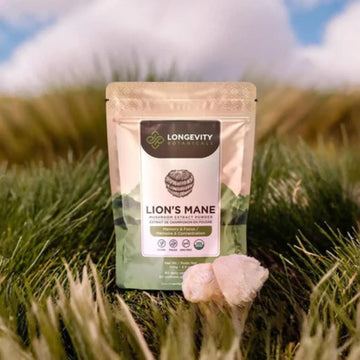
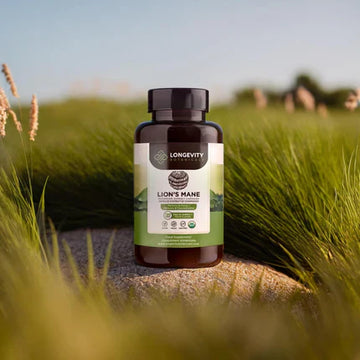
Lion’s Mane is the most researched mushroom for brain health in 2026. Its unique compounds, hericenones and erinacines, stimulate production of nerve growth factor and brain-derived neurotrophic factor (BDNF), both of which support neuron repair and growth. A 2023 randomized controlled trial found improved processing speed in adults after 28 days of 1.8 grams daily. Supporting research also points to reduced anxiety and depression symptoms alongside memory and focus improvements.
Typical dose: 500 mg to 3 g daily of fruiting body extract
Evidence level: Strong (multiple RCTs in humans)
Caution: Generally well tolerated. Rare cases of skin sensitivity reported. Those with mushroom allergies should proceed with caution.
For a detailed breakdown of how Lion’s Mane supports brain and cognitive function, additional research profiles are available.
2. Reishi
Primary benefit: Stress relief, sleep quality, immune modulation
Bioactive compounds: Triterpenes (ganoderic acids), beta-glucans, polysaccharides
Reishi has over 600 peer-reviewed studies behind it, covering stress reduction, sleep latency, and immune regulation. A 2021 study showed Reishi reduced the time it takes to fall asleep by acting on serotonin pathways. The triterpenes in Reishi are what make it an adaptogen. Adaptogens help the body manage physiological stress responses with cumulative effects rather than producing immediate fixes. Most people report noticeable changes after two to four weeks of consistent use.
Typical dose: 1 to 2 g daily of fruiting body extract (some protocols go up to 5 g)
Evidence level: Moderate to strong (well-studied; dose matters for specific outcomes)
Caution: May interact with anticoagulant medications. Long-term use above 3 g daily has been linked to liver enzyme changes in rare cases. Consult a healthcare provider if you take blood thinners.
Readers looking for broader context on mushrooms for stress relief will find species comparisons and usage timing guidance useful.
3. Cordyceps
Primary benefit: Energy, physical endurance, ATP production
Bioactive compounds: Cordycepin, beta-glucans, adenosine
Cordyceps is not a standard gill mushroom. It is a parasitic fungus, but its extracts are among the most studied for athletic performance. The mechanism centers on enhanced oxygen utilization and ATP synthesis. A clinical trial found that 4 g daily improved VO2max by 4.8 ml/kg/min and extended time to exhaustion by nearly 70 seconds. For anyone using functional mushrooms for physical output rather than cognition or immunity, Cordyceps is the clearest choice.
Typical dose: 1 to 4 g daily of Cordyceps militaris extract (the cultivated species used in most supplements)
Evidence level: Moderate (promising RCTs; larger trials still needed)
Caution: Generally safe. Those with autoimmune conditions should consult a physician before use.
4. Turkey Tail
Primary benefit: Immune support, gut health
Bioactive compounds: Polysaccharide-K (PSK), polysaccharide-P (PSP), beta-glucans
Turkey Tail carries the strongest clinical evidence of any mushroom on this list. Its extract PSK is approved as a pharmaceutical adjunct for cancer treatment in Japan. Over 8,000 patients have been studied in controlled settings. A 262-patient randomized controlled trial found improved gastric cancer survival rates with PSK supplementation, and a phase 1 trial demonstrated a significant increase in CD8+ T cells, a key immune cell type. Turkey Tail also supports gut microbiome diversity, which indirectly affects immune function.
Typical dose: 1 to 3 g daily of standardized extract
Evidence level: Strong (pharmaceutical-grade clinical evidence in oncology context)
Caution: Well tolerated. The immune-modulating effects mean those on immunosuppressive drugs should consult their doctor first.
5. Shiitake
Primary benefit: Cardiovascular support, nutritional density, immune function
Bioactive compounds: Lentinan (beta-glucan), eritadenine, ergosterol (precursor to vitamin D)
Shiitake is the most widely consumed functional mushroom globally, partly because it is also a food. Lentinan, its primary beta-glucan, supports immune activation and has been studied in oncology research similar to Turkey Tail. Eritadenine has been shown to reduce LDL cholesterol levels in animal models, with preliminary human data suggesting a similar effect. Shiitake is also one of the few non-animal sources of vitamin D precursors, which matters for anyone monitoring micronutrient intake.
Typical dose: 1 to 3 g daily of extract, or regular dietary inclusion
Evidence level: Moderate for cardiovascular effects; emerging for immune benefits in isolation from diet
Caution: Rare cases of shiitake dermatitis (skin rash) from raw or lightly cooked mushrooms. Extracts are generally well tolerated.
6. Chaga
Primary benefit: Antioxidant activity, inflammation support
Bioactive compounds: Betulinic acid, melanin complex, beta-glucans, polyphenols
Chaga grows as a sterile conk on birch trees, not as a typical fruiting body. This matters for sourcing. Its antioxidant content is among the highest measured in any natural product, driven largely by melanin pigments and polyphenols. However, most Chaga research is preclinical. In vitro and animal studies show strong anti-inflammatory and antioxidant effects, but well-controlled human trials are limited compared to Lion’s Mane or Turkey Tail.
Typical dose: 1 to 2 g daily of dual-extracted powder
Evidence level: Emerging (strong preclinical data; limited human RCTs)
Caution: Contains oxalates. High doses over extended periods may increase kidney stone risk. Avoid high-dose use if you have a history of kidney issues.
Side-by-side comparison of the top functional mushrooms
The table below summarizes the 2026 mushroom benefits across the six species covered above, making it easier to match a mushroom to a specific health goal.
| Mushroom | Primary benefit | Evidence level | Typical daily dose | Key caution |
|---|---|---|---|---|
| Lion’s Mane | Cognitive support, nerve health | Strong | 500 mg to 3 g | Rare skin sensitivity |
| Reishi | Stress, sleep, immunity | Moderate to strong | 1 to 2 g | Avoid with blood thinners |
| Cordyceps | Energy, endurance | Moderate | 1 to 4 g | Caution with autoimmune conditions |
| Turkey Tail | Immune support, gut health | Strong | 1 to 3 g | Avoid with immunosuppressants |
| Shiitake | Cardiovascular, nutrition | Moderate | 1 to 3 g | Rare skin rash from raw form |
| Chaga | Antioxidant, inflammation | Emerging | 1 to 2 g | Oxalate content; avoid with kidney issues |
One common misconception worth addressing directly: functional mushrooms are not cures for disease. No clinical evidence supports using any mushroom as a stand-alone treatment for a medical condition. Their role is as complementary support within a broader nutrition and wellness routine.
Pro Tip: If you are currently taking prescription medications, particularly anticoagulants, immunosuppressants, or diabetes medication, consult a healthcare provider before adding any functional mushroom supplement. Some bioactive compounds interact with drug metabolism pathways.
How to choose the right mushroom for your goals
Matching a mushroom to your actual health goal saves time and money. Here is a straightforward framework based on the profiles above.
- Brain health and focus. Start with Lion’s Mane at 1 to 2 g daily. For more on building a cognitive support routine, read the research on pairing Lion’s Mane with sleep quality optimization.
- Stress management and sleep. Reishi is the primary choice. Take it in the evening at 1 g with a fat-containing meal, as triterpenes are fat-soluble. Pairing it with mood support habits can further improve outcomes.
- Immune support. Turkey Tail is the most evidence-backed option. A dose of 1 to 2 g daily provides clinically relevant levels of PSP and PSK.
- Physical energy and exercise. Cordyceps at 2 to 4 g daily, ideally taken 30 to 60 minutes before activity.
- General antioxidant support. Chaga at 1 g daily is a reasonable starting point, with awareness that the evidence base is still developing.
- Blends vs. single species. Combining mushrooms can offer broader systemic support, and blends are increasingly common in 2026 formats. That said, starting with a single species for four to eight weeks makes it easier to assess what is actually working.
- Format selection. Capsules provide dosing precision. Powders mix into coffee, smoothies, or food and cost less per gram. Liquid extracts absorb faster but are harder to dose consistently. Choose the format that fits your daily routine, not the one with the most marketing behind it.
My perspective on functional mushrooms in 2026
I’ve watched the functional mushroom category grow from a niche herbal supplement corner to a mainstream wellness segment over the past several years. And while that growth has brought more research and better products, it has also flooded the market with low-quality options that don’t deliver.
What I’ve learned is that the species matters less than the product quality in most cases. You can choose the right mushroom for your goal and still get zero benefit if the product uses mycelium-on-grain instead of fruiting body extract, or if the dose is too low to be clinically relevant. The label transparency conversation is the one most consumers are not having, and it’s the most important one.
I’m also skeptical of the trend toward highly complex blends with eight or ten mushrooms at tiny doses each. The synergy argument is real. Different mushrooms do offer distinct advantages that can complement each other. But a product with 50 mg of each species is not delivering therapeutic doses of anything. Start simple, dose correctly, and add complexity only once you know how your body responds.
The other thing worth noting: these supplements support adaptogenic stress management through cumulative effects. Expecting results in three days is the wrong frame. Commit to four to eight weeks before evaluating.
— Recontour,
Explore functional mushroom supplements from Longevitybotanicals
Longevitybotanicals carries a curated range of mushroom supplements across multiple formats, all sourced from fruiting bodies and manufactured to verifiable extraction standards. Products are available as organic mushroom capsules for precise daily dosing, as well as mushroom powders for flexible use in beverages and meals. For broader-spectrum support, mushroom blend extracts combine multiple species at meaningful doses. Each product listing includes extraction method, beta-glucan content where applicable, and sourcing details. Longevitybotanicals’ approach aligns with the criteria outlined in this article: fruiting body sourcing, standardized extraction, and transparent labeling.
FAQ
What is a functional mushroom?
A functional mushroom is a species consumed for specific health benefits beyond basic nutrition, typically due to bioactive compounds like beta-glucans, triterpenes, or unique polysaccharides.
Which functional mushroom has the strongest evidence?
Turkey Tail has the strongest clinical evidence, including pharmaceutical approval in Japan and human trials with over 8,000 patients studied for immune support outcomes.
How long does it take for functional mushrooms to work?
Most adaptogens and functional mushrooms show cumulative effects. Noticeable changes typically occur after two to four weeks of consistent daily use, with full effects often taking six to eight weeks.
Is fruiting body extract better than mycelium powder?
Yes. Fruiting body extracts contain significantly more beta-glucans than mycelium-on-grain products, often 5 to 15 times higher concentrations, which directly affects potency and expected outcomes.
Are functional mushrooms safe to take daily?
Most species on this list are safe for daily use at recommended doses. Individuals on prescription medications or with pre-existing conditions should consult a healthcare provider before starting any mushroom supplement.


