



TL;DR:
- Enhancing brain health naturally relies on consistent habits like exercise, a healthy diet, quality sleep, and social engagement. Addressing modifiable risk factors such as blood pressure and hearing loss can significantly reduce dementia risk through lifelong management. Combining lifestyle changes with targeted supplements like Lion’s Mane mushrooms may support neuroplasticity and cognitive resilience effectively.
Knowing how to enhance brain health naturally is one of the most useful things you can do for your long-term cognitive function. Brain health does not hold steady on its own. Mental sharpness, memory, and processing speed all shift over time, shaped by daily habits, diet, and environment. The good news is that science has now identified specific, modifiable factors that make a real difference. This guide covers what the research actually says, which strategies work, and how to put them together in a way that fits your life.
Table of Contents
- Key takeaways
- How to enhance brain health naturally: the foundations
- Lifestyle habits with the strongest evidence
- Dietary strategies to improve cognitive function
- Holistic and emerging methods to support brain wellness
- Common mistakes that slow brain health progress
- My take on what actually moves the needle
- Brain health support from Longevitybotanicals
- FAQ
Key takeaways
| Point | Details |
|---|---|
| Most dementia risk is modifiable | Up to 45% of dementia cases may be preventable through targeted lifestyle and health changes. |
| Diet shapes brain structure | High adherence to the MIND diet is linked to approximately 2.5 years less structural brain aging. |
| Exercise is the strongest single habit | 150 minutes of aerobic activity per week has the most consistent evidence for cognitive protection. |
| Stacking habits outperforms single fixes | Combining sleep, exercise, diet, and social connection works better than any one approach alone. |
| Supplement quality matters | Fruiting body extraction and bioavailability determine whether a mushroom supplement actually delivers active compounds. |
How to enhance brain health naturally: the foundations
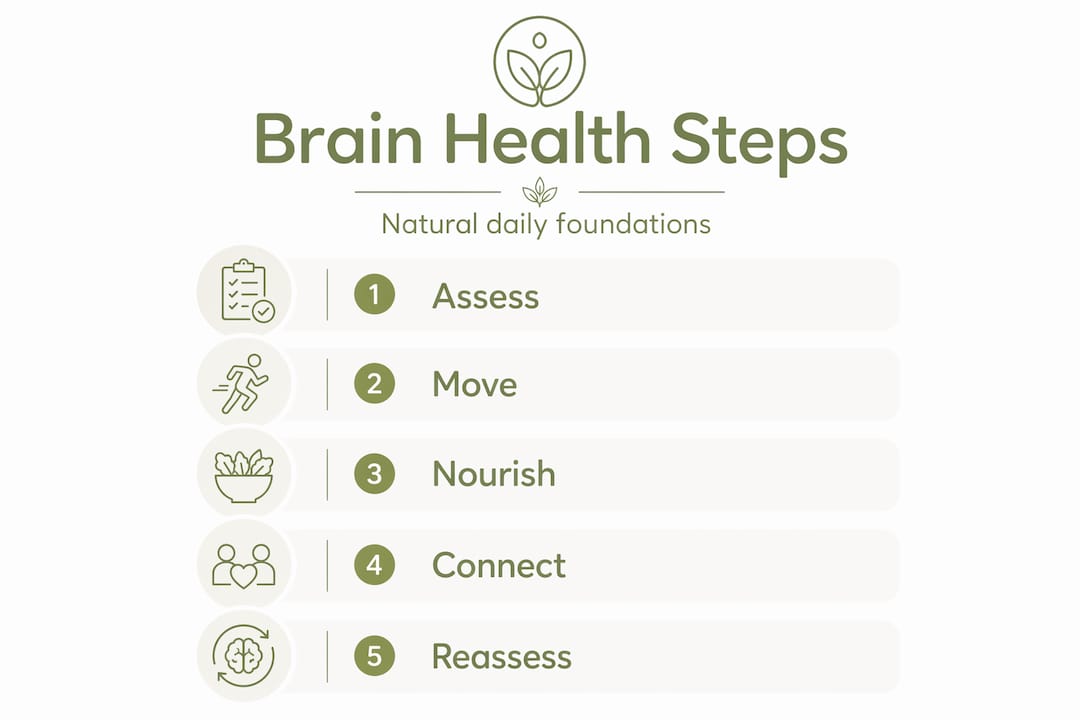
Before adding supplements or structured brain training, it helps to know where you stand. Many people skip the assessment step and go straight to interventions. That is usually why results disappoint.
Up to 45% of dementia cases are potentially preventable by addressing 14 modifiable risk factors identified by The Lancet. These include blood pressure, hearing loss, depression, physical inactivity, diabetes, obesity, smoking, alcohol use, traumatic brain injury, air pollution, social isolation, vision loss, high LDL cholesterol, and untreated sleep disorders. Most people have at least a few of these in play.
A practical first step is checking the basics:
- Blood pressure: High blood pressure is one of the most damaging and most overlooked contributors to cognitive decline
- Hearing: Untreated hearing loss raises dementia risk significantly, partly because the brain works harder to process degraded sound signals
- Sleep quality: Poor sleep disrupts the brain’s waste-clearance system, a process called glymphatic drainage
- Social engagement: Isolation reduces cognitive reserve, which is the brain’s buffer against damage
Age matters here too. A 35-year-old prioritizes different factors than a 65-year-old. Brain health requires lifelong management, with interventions adapting to life stage. What protects brain function at 40 looks different from what protects it at 70.
Pro Tip: Get a basic blood pressure reading before anything else. Uncontrolled hypertension silently damages the small vessels supplying the brain, and no supplement or diet can compensate for that.
Lifestyle habits with the strongest evidence
Most natural brain booster tips focus on the dramatic. The real gains come from habits that feel almost too simple.
-
Aerobic exercise. 150 minutes of weekly aerobic activity has the strongest evidence base of any single lifestyle intervention for cognitive health. It improves vascular function, supports neuroplasticity, and reduces inflammation. Brisk walking counts. You do not need a gym.
-
Cognitive engagement. Brain games have limited transfer to real-world function. What actually builds new neural pathways is learning something genuinely new and complex. A musical instrument, a second language, or a new technical skill forces the brain to form fresh connections. Novel skill acquisition is significantly more effective than repetitive training apps.
-
Sleep quality. Seven to nine hours of quality sleep is not a luxury for brain health. Sleep is when the brain consolidates memory and clears metabolic waste. Consistency matters more than duration alone. Going to bed and waking at the same time each day keeps circadian rhythms aligned with cognitive performance.
-
Social connection. Meaningful social engagement is protective against cognitive decline at every age. Regular conversation, collaborative activities, and community participation all reduce the risk of isolation, which is listed among the top modifiable dementia risk factors.
-
Short daily mental habits. Just 5 to 15 minutes of targeted mental practice each day produces measurable improvements in brain performance, especially for people with lower baseline scores. This can include meditation, focused problem-solving, or journaling.
Pro Tip: Stack habits on top of existing routines. Walk after breakfast. Practice a new skill before dinner. The brain responds best to consistent timing, and attachment to existing habits makes new ones easier to maintain.
Dietary strategies to improve cognitive function
Brain health is fundamentally tied to heart health through vascular and metabolic pathways. The foods that protect your heart vessels protect your brain vessels too. This connection explains why the most studied brain-healthy diets are also cardiovascular diets.

The three most evidence-backed dietary patterns for cognitive function are the MIND, DASH, and Mediterranean diets.
| Diet | Primary mechanism | Cognitive benefit |
|---|---|---|
| MIND | Reduces oxidative stress and neuroinflammation | Delays brain aging by approximately 2.5 years with high adherence |
| DASH | Controls blood pressure and systemic inflammation | People closely following DASH had a 41% lower risk of cognitive decline |
| Mediterranean | Supports vascular and metabolic function | Reduces risk of neurodegenerative disease over long-term follow-up |
The MIND diet specifically emphasizes foods for brain health that appear most consistently in the research:
- Berries: Blueberries and strawberries contain flavonoids that cross the blood-brain barrier and reduce neuroinflammation
- Leafy greens: Kale, spinach, and collards provide folate, vitamin K, and lutein linked to slower cognitive decline
- Fatty fish: Salmon, sardines, and mackerel deliver omega-3 fatty acids that support neuronal membrane health
- Nuts: Walnuts in particular are rich in alpha-linolenic acid and polyphenols that support brain vascular function
- Olive oil: A primary fat source in Mediterranean eating, associated with lower Alzheimer’s disease pathology in multiple studies
Foods to reduce or eliminate include ultra-processed packaged foods, fried foods, excessive added sugar, and red meat consumed daily. These drive systemic inflammation and vascular damage, the two most common pathways to accelerated cognitive decline.
Holistic and emerging methods to support brain wellness
Some of the most impactful ways to support brain wellness do not make headlines because they are not marketable as quick fixes.
The gut-brain connection is one of the most significant areas of current research. Gut microbiome composition directly influences neuroinflammation and cognitive resilience. Diets high in processed foods disrupt the microbiome and drive systemic inflammation that harms brain tissue. Fermented foods such as kefir, kimchi, and plain yogurt help maintain a diverse microbiome. Dietary fiber from legumes, vegetables, and whole grains feeds beneficial bacteria and reduces inflammatory signaling.
Hearing correction is genuinely underrated. Treating hearing loss with hearing aids in its early stages appears protective against cognitive decline. The brain devotes significant resources to compensating for poor auditory input, resources that would otherwise support memory and executive function. A hearing check is one of the simplest, most overlooked brain health interventions available.
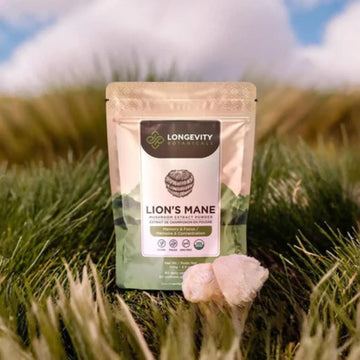
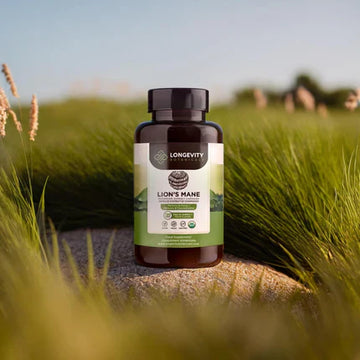
Functional mushroom supplementation has moved from traditional medicine into the evidence base over the past decade. Lion’s Mane mushroom is the most studied for cognitive support, with research pointing to its ability to stimulate nerve growth factor and support neuroplasticity. When considering Lion’s Mane for brain health, the form and quality of the supplement matters as much as the species itself. Fruiting body extracts with clear extraction ratios deliver active compounds. Mycelium-only products grown on grain often contain more starch than bioactive material.
Pro Tip: When reading a mushroom supplement label, look for “fruiting body” and a stated beta-glucan percentage. A quality mushroom supplement should clearly list both. If neither appears, the product is likely underpowered.
The stacking approach is worth applying here. Combining multiple brain health habits and reassessing results every 8 to 12 weeks produces better outcomes than relying on any single intervention. That means exercise plus diet plus sleep plus targeted supplementation, adjusted periodically based on how you feel and function.
Common mistakes that slow brain health progress
People who try to improve cognitive function naturally and see no results usually make one of a small number of predictable errors.
- Relying on a single intervention. A great supplement does nothing meaningful if sleep is poor and diet is inflammatory. No one habit compensates for all the others.
- Expecting fast results. Brain health changes accumulate over months, not days. Studies tracking cognitive outcomes typically run 6 to 24 months. Starting is the hard part. Staying consistent for 90 days without visible results is the test most people fail.
- Using generic approaches. A 45-year-old managing stress and blood pressure has different priorities than a 70-year-old focused on memory. The same intervention list applied to everyone produces uneven outcomes.
- Skipping progress checks. Monitoring matters. Simple options include tracking sleep quality, physical activity, and subjective mental clarity in a weekly log. Standardized cognitive tests are available online and provide baseline comparisons over time.
- Abandoning routines after setbacks. A disrupted week does not reset progress. The brain responds to cumulative exposure. Missing a few days of exercise or diet discipline has far less impact than most people fear, as long as the default pattern is strong.
The fix for most of these is personalization and patience, not a new product or technique.
My take on what actually moves the needle
I’ve spent a lot of time reviewing the research on how to boost brain health naturally, and the honest conclusion is uncomfortable for anyone hoping for a shortcut. The people who protect their cognitive function over decades are not doing anything exotic. They exercise consistently, eat mostly whole foods, sleep well, stay socially engaged, and manage their cardiovascular risk factors. That is not a compelling headline, but it is what the evidence shows.
What I’ve found changes things in practice is specificity. Most people know they should “eat better” and “exercise more.” That level of vagueness produces nothing. Saying “I will walk 30 minutes after dinner five days a week and eat fatty fish twice a week” produces results. The brain responds to concrete, repeated inputs.
I’ve also seen the supplement space create confusion by implying that one capsule replaces everything else. That framing is inaccurate and discouraging when people find it does not work in isolation. Mushroom supplements like Lion’s Mane are genuinely useful additions when layered onto an already sound foundation. They are not the foundation itself.
The most realistic and research-aligned path to supporting brain health long-term is incremental, personalized, and boring. Start with sleep and blood pressure. Add exercise before anything else. Let diet and supplementation build on that base.
— Recontour,
Brain health support from Longevitybotanicals
For those who have built their lifestyle foundation and are looking to add targeted supplementation, Longevitybotanicals offers a focused range of mushroom supplements for cognitive support that align with the quality markers covered in this guide. Every product uses fruiting body material with stated extraction ratios, so you know exactly what you are getting.
Lion’s Mane is the flagship option for those focused on memory, focus, and neuroplasticity support. The full organic mushroom capsule range also includes blends combining complementary species for broader brain and immune support. Products are organic, clearly labeled, and formulated for real-world daily use rather than clinical trial conditions. Explore the range and match your supplementation choice to your specific cognitive goals.
FAQ
What are the most effective ways to enhance brain health naturally?
The most effective methods combine regular aerobic exercise, a brain-supportive diet such as the MIND or Mediterranean pattern, quality sleep, social engagement, and management of cardiovascular risk factors like blood pressure and hearing loss. No single approach outperforms the combination.
How long does it take to see results from natural brain health strategies?
Most research tracking cognitive outcomes runs 6 to 24 months. Structural changes like gray matter preservation take time, but sleep quality, mental clarity, and mood often improve within 4 to 8 weeks of consistent lifestyle changes.
What foods are best for brain health?
Berries, leafy greens, fatty fish, walnuts, and olive oil appear most consistently across brain health diet research. The MIND diet, which emphasizes these foods, is linked to approximately 2.5 years less brain aging with high adherence.
Does Lion’s Mane mushroom support cognitive function?
Current research suggests Lion’s Mane stimulates nerve growth factor and supports neuroplasticity. Effectiveness depends on supplement quality. Products using fruiting body extracts with stated beta-glucan content deliver the active compounds that matter.
Can brain health be improved at any age?
Yes. Research consistently shows that lifestyle interventions benefit cognitive function across all adult age groups. The specific priorities shift with age, but exercise, diet, sleep, and social engagement remain protective at every life stage.


