



TL;DR:
- Choosing mushroom supplements for stress relief requires understanding their distinct mechanisms, such as reishi’s cortisol modulation or lion’s mane’s cognitive support. Prioritize products with transparent extraction methods, standardized active compounds, and third-party testing to ensure quality and efficacy. Starting with single-species use helps identify beneficial effects before trying blends for broader support.
Choosing among stress relief mushroom options is harder than it looks. Different species work through entirely different mechanisms, and a product that works well for one person may do little for another. Reishi acts on cortisol pathways. Lion’s mane supports mood and sleep through neurological routes. Blends target multiple systems at once. Without a clear framework, sorting through these choices wastes time and money. This article covers the key options, the science behind each, and practical criteria to help you pick the right mushroom supplement for your stress and wellness goals.
Table of Contents
- How to evaluate stress relief mushroom options
- Reishi: The leading mushroom for cortisol modulation
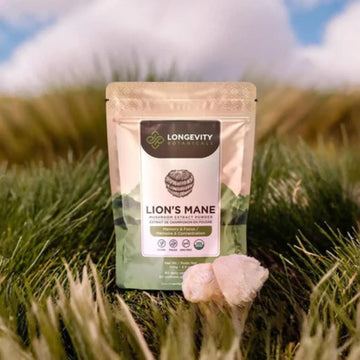
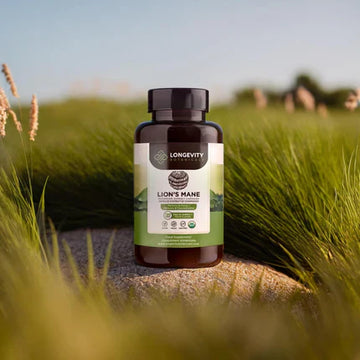
- Lion’s mane: Supporting mood and cognitive resilience
- Additional mushroom options and blends for holistic stress relief
- Comparing mushroom stress relief options: Benefits and considerations
- Our perspective on choosing stress relief mushrooms
- Explore mushroom supplements for stress relief at Longevity Botanicals
- Frequently asked questions
Key Takeaways
| Point | Details |
|---|---|
| Mechanism matters | Choose mushrooms based on how their compounds affect stress biology, like cortisol or neurotrophic pathways. |
| Reishi leads cortisol modulation | Dual-extracted reishi is best supported for regulating cortisol and stress hormone balance. |
| Lion’s mane aids mood and sleep | It complements stress relief by improving cognitive clarity and emotional wellbeing. |
| Blends target multiple pathways | Combining mushrooms can offer broader stress and immune support but require cautious introduction. |
| Quality and safety are crucial | Look for transparent sourcing, extraction methods, and consider medication or health condition risks. |
How to evaluate stress relief mushroom options
Building a clear set of criteria helps you choose among various mushroom stress relief supplements with confidence rather than guesswork. Not all mushrooms work the same way, and not all products within a single species deliver the same results.
Mechanism-based selection is the starting point. The primary pathways relevant to stress include cortisol modulation (via the HPA axis, the body’s stress response system), neurotrophic support (brain growth factors that influence mood and resilience), and inflammation reduction. Matching a mushroom to your specific stress profile, whether that is elevated cortisol, poor sleep, brain fog, or general tension, sharpens the selection process considerably.
Extraction method matters more than most labels tell you. Reishi’s cortisol-related compounds require specific extraction methods for efficacy. The key bioactive compounds in reishi, called triterpenes or ganoderic acids, are fat-soluble. Water extraction alone does not capture them. Dual extraction (water plus alcohol) or alcohol extraction is necessary to preserve these compounds. Products listing only a water extract of reishi deliver fewer of the stress-modulating benefits you are looking for.
Key evaluation criteria:
- Extract type: dual extraction preferred for reishi; water extraction sufficient for beta-glucan-focused products
- Standardization: look for stated levels of beta-glucans or triterpenes on the label
- Dose transparency: products should list the amount of extract per serving clearly
- Certificate of analysis (COA): third-party lab testing confirms active compound content
- Form: capsules and powders are the most bioavailable common formats; tinctures vary by preparation
Step-by-step approach to selecting a mushroom supplement:
- Identify your primary stress symptom (cortisol, sleep, mood, cognitive fatigue)
- Match it to the mushroom species with the clearest mechanism for that symptom
- Check extraction type and standardization claims on the label
- Verify a COA from third-party testing is available
- Introduce one species at a time before moving to a blend
Pro Tip: If a product does not disclose its extraction method, treat it as a red flag. Transparency on extraction and active compounds is the single most reliable indicator of product quality among top mushrooms for stress relief.
Safety is also part of the evaluation. Reishi in particular has known interactions with immunosuppressants and blood thinners, so anyone on medication should consult a healthcare provider before starting.
Reishi: The leading mushroom for cortisol modulation
With criteria established, reishi stands out as the most researched mushroom for cortisol-related stress modulation. It is the first species most evidence-based practitioners point to when addressing elevated cortisol and chronic stress.

Reishi’s primary stress-relevant compounds are triterpenes, specifically ganoderic acids. These compounds are believed to interact with the HPA axis, the hormonal system that controls cortisol release. When the HPA axis is overactivated, cortisol stays elevated longer than it should, contributing to anxiety, poor sleep, and immune suppression. Reishi’s triterpenes appear to help regulate this response.
The human evidence is promising but still developing. A 12-week RCT of a mushroom blend including reishi showed measurable cortisol reductions and improvements in anxiety. The important caveat: this trial tested a five-mushroom blend, not reishi in isolation. Attributing the full effect to reishi alone overstates what the current evidence supports. That said, reishi’s triterpene content and its established mechanisms for cortisol modulation make it the most evidence-adjacent species in any stress-focused blend.
Key reishi considerations:
- Active compounds: ganoderic acids (triterpenes) and beta-glucans (immune support)
- Required extraction: dual extraction (water plus alcohol) to preserve triterpenes
- Suggested timing: evening dosing aligns with natural cortisol decline rhythms
- Safety: generally low risk but interacts with immunosuppressants and blood thinners
- Population caution: those with autoimmune conditions or on anticoagulant therapy should consult a provider first
Reishi is sometimes called an adaptogenic mushroom for stress because it helps the body calibrate its stress response rather than simply sedating it. This is a meaningful distinction from pharmaceutical approaches.
Pro Tip: Choose evening dosing for reishi. Cortisol naturally drops in the hours before sleep, and taking reishi in the evening may support that decline rather than work against circadian rhythms. If you experience digestive sensitivity, start with a smaller dose and increase gradually. For a full breakdown of safety and evidence, the natural stress relief mushrooms benefits guide covers contraindications in more detail.
Lion’s mane: Supporting mood and cognitive resilience
Beyond cortisol-related pathways, lion’s mane offers complementary support for mood and sleep quality, two factors that are central to stress management even when cortisol levels are not the primary concern.
Lion’s mane works through a fundamentally different route than reishi. Its primary mechanism involves stimulating Nerve Growth Factor (NGF), a protein that supports the survival and function of neurons. This includes hippocampal support, which is relevant to mood regulation and stress response because the hippocampus plays a key role in memory consolidation, emotional processing, and signaling the HPA axis to stand down after a stressor passes.
The clinical evidence here is notable. An 8-week RCT showed lion’s mane improved subjective sleep quality, morning restedness, and mood relative to placebo, with no adverse events reported. These are not small quality-of-life improvements. For people managing stress that shows up primarily as poor sleep, irritability, or difficulty concentrating, lion’s mane may address the symptoms more directly than a cortisol-focused supplement would.
Lion’s mane strengths for stress-related wellbeing:
- Mechanism: NGF stimulation and hippocampal neurological support
- Primary benefits: sleep quality, morning energy, mood stability, cognitive clarity
- Safety profile: clean, with no adverse events in trials at standard doses
- Best use case: stress that presents as mental fatigue, mood disruption, or difficulty sleeping
The fact that lion’s mane works on cognitive and neurological pathways means it complements reishi well in a stack or blend. Reishi addresses the hormonal side. Lion’s mane addresses the neurological and mood side. Together they cover more of the stress response than either does alone. More detail on how this plays out mechanically is available in the lion’s mane brain health resource.
Pro Tip: Before combining lion’s mane with reishi or any other species, run each one individually for two to four weeks. This makes it far easier to identify which species is producing the effect you are noticing, and which may not be a good fit. See the mushroom blending process for guidance on sequencing.
Additional mushroom options and blends for holistic stress relief
To complement reishi and lion’s mane, other mushrooms and blends expand support for comprehensive stress relief by addressing energy, inflammation, and oxidative load.
Cordyceps is the practical choice for stress that drains physical energy. It supports ATP production (cellular energy) and oxygen utilization, which means it helps the body sustain performance under pressure rather than burning out. For people whose stress shows up as fatigue and low endurance, cordyceps addresses the physical resilience dimension that reishi and lion’s mane do not directly target.
Shiitake and maitake both contribute meaningful anti-inflammatory activity. Chronic stress elevates systemic inflammation, which creates a feedback loop: inflammation worsens mood and brain function, which amplifies the stress response. These two species help break that cycle through immune modulation and beta-glucan-driven support.
Chaga delivers some of the highest antioxidant concentrations of any medicinal mushroom. Oxidative stress from chronic cortisol exposure accelerates cellular aging and impairs recovery. Chaga’s antioxidant load gives the body more capacity to absorb and recover from sustained stress.
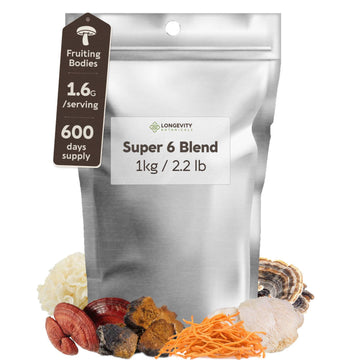
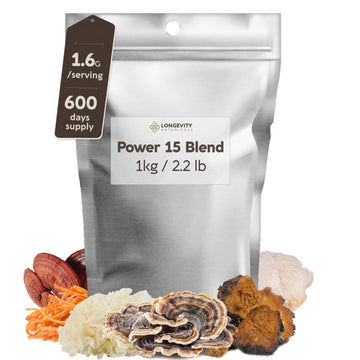
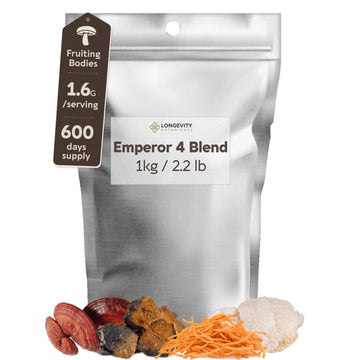
Multi-mushroom blends leverage all of these mechanisms simultaneously. Multi-species blends may modulate stress-related pathways including inflammation and energy metabolism, which explains why blends often show broader results in trials. You can also explore convenient delivery formats like instant coffee with mushroom for integrating multiple species into a daily routine without adding more capsules. More on blend formulation and what to expect is covered in the mushroom blend wellness guide.
| Mushroom | Primary mechanism | Best for | Extraction needed |
|---|---|---|---|
| Reishi | HPA axis / cortisol | Cortisol, anxiety, evening calm | Dual (water + alcohol) |
| Lion’s mane | NGF / hippocampal support | Mood, sleep, cognitive clarity | Water extraction sufficient |
| Cordyceps | ATP / oxygen efficiency | Energy, physical stress resilience | Water or dual |
| Chaga | Antioxidant / oxidative load | Recovery, overall stress burden | Water extraction |
| Shiitake/Maitake | Anti-inflammatory | Chronic inflammation from stress | Water extraction |
Pro Tip: Introduce each mushroom individually for two to three weeks before adding a blend. This approach gives you a clear read on what works and avoids confounding variables if a side effect appears. The full top mushrooms for stress relief resource lists verified options by mechanism.
Comparing mushroom stress relief options: Benefits and considerations
Having explored each species individually, a side-by-side view helps clarify which options fit your specific stress profile, health conditions, and product preferences.
The evidence base varies considerably across mushroom species for stress relief. Reishi has the strongest mechanistic case for cortisol modulation. Lion’s mane has the cleanest recent clinical data for mood and sleep. The others have strong supporting roles but fewer human trials specifically targeting stress.
| Factor | Reishi | Lion’s mane | Blends | Cordyceps | Chaga |
|---|---|---|---|---|---|
| Evidence strength | Moderate (blend RCT) | Moderate (solo RCT) | Moderate (blend RCT) | Low to moderate | Low |
| Stress mechanism | Cortisol / HPA axis | NGF / hippocampal | Multi-pathway | Energy / fatigue | Antioxidant |
| Extraction required | Dual (critical) | Water sufficient | Varies by species | Water or dual | Water |
| Safety considerations | Medication interactions possible | Clean profile | Varies by formula | Generally safe | Generally safe |
| Best timing | Evening | Morning or midday | Varies | Morning | Any time |
| Single vs. blend use | Both | Both | Blend only | Both | Both |
Key takeaways by species:
- Reishi: strongest evidence for cortisol, requires dual extraction, check for drug interactions
- Lion’s mane: best option for mood and sleep-related stress, clean safety record, flexible timing
- Cordyceps: add when fatigue and low energy are primary stress symptoms
- Chaga: valuable support for oxidative stress and recovery, not a standalone stress option
- Blends: broadest coverage, but introduce individual species first to establish a baseline
Product quality indicators to prioritize: dual extraction labeling for reishi-containing products, stated beta-glucan content, stated triterpene content where applicable, and a third-party COA. Products that lack any of these markers are difficult to evaluate. Browse stress relief mushroom evidence and the full mushrooms for calm and focus collection to compare verified options across formats.
Our perspective on choosing stress relief mushrooms
The biggest mistake most people make when exploring mushroom supplements is starting with a blend before they understand how individual species affect them. Blends are convenient and they may produce results, but they make it impossible to know what is actually working. If you experience a benefit, you cannot replicate it precisely. If you experience a side effect, you cannot isolate the cause.
The right sequence is single-species first. Two to four weeks on reishi alone, or lion’s mane alone, tells you more than any multi-species blend ever will. From there, layering in a second species or moving to a blend is an informed choice rather than a shot in the dark.
There is also a persistent overstatement in the mushroom supplement category around cortisol and stress claims. The human evidence is genuinely promising, but most of it comes from small trials or multi-ingredient formulas. That does not make the supplements ineffective. It means the honest position is “strong mechanistic rationale with emerging clinical support” rather than “proven stress cure.” Supplements that speak in those terms are the ones worth trusting.
Finally, extraction method disclosure is the most underused filter in this category. It is a simple, verifiable indicator of whether a brand takes its formulation seriously. Any quality mushroom brand should state extraction type clearly on the label or product page. If they do not, that silence tells you something important.
Explore mushroom supplements for stress relief at Longevity Botanicals
Longevity Botanicals carries a range of reishi, lion’s mane, chaga, cordyceps, and multi-species blends, all formulated with extraction transparency and standardized active compound content. Products are available in capsules and powders, with clear labeling of species, extract type, and dosage per serving. Whether you are starting with a single species or exploring a comprehensive blend, the mushrooms for calm and focus collection provides verified, quality-controlled options across formats and price points.
Frequently asked questions
Which mushroom is best for lowering cortisol naturally?
Reishi mushroom is the most studied for naturally modulating cortisol, especially when dual-extracted for triterpenes, but current human evidence comes mainly from multi-mushroom blends rather than reishi in isolation.
Can lion’s mane mushroom help with stress and mood?
Yes, clinical trials show lion’s mane improves sleep quality, restedness, and mood in human subjects, supporting emotional wellbeing alongside its cognitive benefits.
Are multi-mushroom blends more effective for stress relief?
Blends may target multiple stress pathways simultaneously, and a 5-mushroom blend showed cortisol and anxiety reductions in a 12-week RCT, but introducing individual species first helps establish a response baseline before switching to blends.
What should I look for in a quality mushroom supplement?
Check for dual or alcohol extraction on reishi products, stated beta-glucan and triterpene content, clear per-serving dosage, and an available COA confirming active compounds from third-party lab testing.
Recommended
- Top mushrooms for stress relief: natural support backed by science – LongevityBotanicals
- Best Mushrooms for Calm & Focus – LongevityBotanicals
- Natural stress relief mushrooms: evidence, benefits, safety – LongevityBotanicals
- Top adaptogenic mushrooms for stress, immunity, and focus – LongevityBotanicals


