


TL;DR:
- Many adaptogenic mushroom supplements vary in bioactive content and standardization, affecting their efficacy. Selecting products with verified active compound percentages, proper extraction methods, and third-party testing ensures reliable health benefits. Different species target specific goals, including immunity, cognitive support, stress relief, or energy enhancement.
Not every mushroom supplement delivers what it promises. With dozens of examples of adaptogenic mushrooms filling store shelves and wellness blogs, choosing the right one requires more than reading the label. Each species carries a different set of bioactive compounds, works through distinct biological mechanisms, and comes backed by evidence ranging from well-established to barely preliminary. This guide cuts through the noise with a clear look at the top adaptogenic fungi, what they actually do, how to evaluate product quality, and which mushrooms match specific health goals.
Table of Contents
- Criteria for evaluating adaptogenic mushrooms
- Turkey tail: immune support and gut microbiota modulation
- Cordyceps militaris: energy, endurance, and metabolic effects
- Reishi: adaptogen for stress, sleep, and immune modulation
- Lion’s mane: cognitive function and neuroprotection support
- Comparing adaptogenic mushrooms: benefits, evidence, and considerations
- Why understanding extraction and standardization matters for adaptogenic mushrooms
- Choose quality adaptogenic mushrooms with Longevity Botanicals
- Frequently asked questions
Criteria for evaluating adaptogenic mushrooms
Before exploring specific examples, it helps to understand what separates a useful adaptogenic mushroom supplement from a mediocre one. The difference rarely comes down to species alone.
Bioactive compounds are the starting point. The role of adaptogenic mushrooms depends on compounds like β-glucans, triterpenoids, and cordycepin. These are the molecules that interact with immune receptors, nerve tissue, and metabolic pathways. But their presence and concentration vary significantly. Species, strain, and processing all affect the final bioactive profile, which means two turkey tail products can perform very differently depending on how they were grown and extracted.
Standardization determines reliability. A standardized mushroom extract specifies the exact percentage of key compounds per dose. Without standardization, you cannot know whether you are getting a therapeutic amount or a trace. Look for labels that state β-glucan percentage or other active markers.
Key factors to check when evaluating any adaptogenic mushroom supplement:
- Species and strain identification: Vague labeling like “mushroom blend” without species names is a warning sign.
- Part of the mushroom used: Fruiting body extracts generally contain higher active compound concentrations than mycelium-on-grain products.
- Extraction method: Hot water extraction releases β-glucans; alcohol extraction captures triterpenoids. Dual extraction covers both.
- Evidence quality: Some mushrooms have clinical trial data; others have only in vitro or animal studies. Knowing the difference prevents overstated expectations.
- Third-party testing: Independent verification of potency and purity protects against contamination and mislabeling.
The top adaptogenic mushrooms all meet these criteria when sourced and processed correctly. Understanding these filters makes comparing specific types of adaptogenic mushrooms much more practical.
Turkey tail: immune support and gut microbiota modulation
Turkey tail (Trametes versicolor) is one of the most researched examples when you define adaptogenic mushrooms for immunity. Its mechanism is specific and well-documented, which sets it apart from many others on the mushroom adaptogens list.
The primary bioactives are polysaccharide-K (PSK) and polysaccharide peptide (PSP), both rich in β-glucans. These compounds act on immune receptors in the gut lining and support the growth of beneficial bacteria. Turkey tail β-glucans influence gut microbiota composition and stimulate immune function, including natural killer cell and T-cell activity.
What makes turkey tail particularly relevant for immune-support mushrooms is the prebiotic-like effect. When gut bacteria ferment these β-glucans, they produce short-chain fatty acids (SCFAs). SCFAs like butyrate reduce gut inflammation and signal immune cells throughout the body, creating a downstream effect that extends well beyond the digestive tract.
Key selection points for turkey tail supplements:
- Look for PSK or PSP specification: Generic “turkey tail powder” may not contain meaningful polysaccharide levels.
- Check extraction method: Hot water or fermented extraction is standard for polysaccharide release.
- Strain and origin matter: Growth substrate affects polysaccharide content significantly.
- Dosing range: Most studies use 1 to 3 grams of standardized extract daily.
“The quality of turkey tail supplementation depends heavily on extraction method and standardization. Unverified products may carry little of the active polysaccharide content that research relies on.”
Pro Tip: Ask for a certificate of analysis showing β-glucan content by percentage before purchasing any turkey tail product. A reputable brand will provide this without hesitation.
Cordyceps militaris: energy, endurance, and metabolic effects
Cordyceps militaris is one of the most talked-about examples of adaptogenic mushrooms for physical performance. Its core bioactive is cordycepin (3’-deoxyadenosine), a nucleoside analog with anti-inflammatory and metabolic properties. Polysaccharides in cordyceps also contribute to immune modulation.
The appeal for athletes and active individuals is real but requires qualification. Cordyceps militaris shows promising ergogenic effects in some human trials, including improvements in VO2max, time to exhaustion, and lactate clearance. However, results are inconsistent across studies. Small sample sizes, varied supplement forms, and inconsistent dosing protocols make it hard to draw firm conclusions from the current literature.
Better-designed randomized controlled trials with standardized preparations are still needed before cordyceps can be definitively classified as a performance enhancer. That said, preliminary evidence and its safety profile make it a reasonable choice for people looking to support energy and recovery alongside an active lifestyle.
Practical steps for using cordyceps effectively:
- Start with a low dose (500 mg daily) and build up over two to four weeks to assess tolerance.
- Choose products standardized for cordycepin content rather than generic mushroom powder.
- Time supplementation around training sessions for potential recovery benefits.
- Pair with antioxidant-rich foods (berries, leafy greens) to support post-exercise recovery pathways.
- Track your subjective energy and recovery markers over 30 days before evaluating effectiveness.
Additional selection considerations:
- Cultivated vs. wild-sourced: Most commercial products use cultivated Cordyceps militaris, which is both more sustainable and more consistent than wild Cordyceps sinensis.
- Fruiting body vs. mycelium: Fruiting body extracts from C. militaris tend to have higher cordycepin concentrations.
- Check the cordyceps performance evidence before setting expectations.
For a broader look at what this mushroom offers beyond athletics, reviewing detailed cordyceps benefits information is a practical next step.
Pro Tip: Combine cordyceps supplements with antioxidant-rich foods to help support recovery markers after intense physical activity.
Reishi: adaptogen for stress, sleep, and immune modulation
Reishi (Ganoderma lucidum) has the longest documented use of any mushroom on this list. Traditional Chinese medicine used it for over 2,000 years for calming, immune support, and longevity. Modern research has identified the mechanisms behind several of these effects.
Reishi’s bioactives include triterpene ganoderic acids and β-glucans. The ganoderic acids reduce inflammatory signaling and appear to modulate activity in the nervous system, contributing to the relaxation and sleep-quality improvements reported in user studies. The β-glucans support immune regulation through macrophage and NK cell activation.
Reishi requires caution for individuals on immunosuppressant medications or blood thinners. Its immune-modulating effects can interfere with both drug categories, making medical consultation essential for these populations.
Key points for reishi selection and use:
- Dual extraction matters most here: Ganoderic acids require alcohol extraction; β-glucans need hot water. A product using only one method will be missing half the bioactive profile.
- No universal dosing: Studies use a wide range, from 1.5 to 9 grams of dried extract daily. Individual responses vary.
- Product form: Capsules with standardized extract are preferable to raw powder for consistent dosing.
- Who should avoid it: Those on blood thinners (warfarin, aspirin therapy), immunosuppressants, or with upcoming surgery.
For readers interested in stress relief mushrooms, reishi remains the most evidence-supported choice specifically for sleep quality and nervous system regulation.
“Reishi is not a sedative, but its effect on stress biomarkers and sleep latency has enough research backing to make it a credible option for those managing chronic stress.”
Pro Tip: Always consult a healthcare provider before starting reishi supplements, especially if you take any prescription medication. This is not a standard disclaimer. It is practical safety advice.
Lion’s mane: cognitive function and neuroprotection support
Lion’s mane (Hericium erinaceus) occupies a unique position in the types of adaptogenic mushrooms because its primary effects target the brain rather than immunity or energy. Its bioactive compounds, hericenones and erinacines, are the only known dietary compounds shown to cross the blood-brain barrier and stimulate nerve growth factor (NGF) production.

Lion’s mane hericenones and erinacines promote neurogenesis and support cognitive health, with emerging clinical studies showing improvements in memory, focus, and mild cognitive impairment scores in older adults. The evidence is still classified as emerging rather than definitive, but the mechanism is specific and biologically plausible in a way that sets it apart from many nootropic supplements.
Key selection and usage points:
- Extract vs. powder: Standardized extracts with specified hericenone and erinacine content outperform generic dried powder significantly.
- Erinacines are in mycelium; hericenones are in fruiting body: A quality product for cognitive support often combines both, or specifies which compound it is standardized for.
- Bioavailability challenges: Fat-soluble erinacines absorb better with a meal containing healthy fats.
- Time to effect: Most cognitive benefits in studies appear after 8 to 12 weeks of consistent use. Short-term trials are not a reliable measure of effectiveness.
For readers focused on cognitive aging, the lion’s mane cognitive support research specifically addresses memory and neuroprotection in aging populations. Additional detail on mechanism and product selection is available through brain health benefits resources.
Pro Tip: Choose lion’s mane products standardized for both erinacines and hericenones content, not just total mushroom powder weight. The compound specification is what connects the product to the research.
Comparing adaptogenic mushrooms: benefits, evidence, and considerations
Distinct bioactive profiles drive meaningfully different effects across species, which is why matching the mushroom to your specific health goal matters more than picking the most popular option.
| Mushroom | Primary benefit | Key bioactives | Evidence quality | Safety notes |
|---|---|---|---|---|
| Turkey tail | Immune support, gut health | β-glucans (PSK, PSP) | Strong; clinical trials | Generally safe; check for allergies |
| Cordyceps militaris | Energy, endurance, recovery | Cordycepin, polysaccharides | Moderate; mixed human trials | Safe for most; avoid before sleep |
| Reishi | Stress relief, sleep, immunity | Ganoderic acids, β-glucans | Moderate; human studies | Avoid with blood thinners, immunosuppressants |
| Lion’s mane | Cognitive function, neuroprotection | Hericenones, erinacines | Emerging; promising trials | Generally safe; long-term data limited |
Summary of key differentiators:
- Turkey tail is the strongest choice for adaptogenic mushrooms for immunity and gut microbiota support.
- Cordyceps fits active individuals looking to support metabolic endurance and recovery.
- Reishi is best suited for those managing stress, sleep disruption, or seeking immune modulation without stimulation.
- Lion’s mane is the only option with a mechanism specifically targeting neurogenesis and cognitive support.
“No single mushroom covers all bases. Combining two or three species with complementary mechanisms is a common practice among practitioners working with functional nutrition protocols.”
Explore a detailed adaptogenic mushroom comparison for additional guidance on stacking and timing strategies.
Pro Tip: Combining reishi with lion’s mane provides both stress regulation and cognitive support simultaneously. Many commercial blends use exactly this pairing because the mechanisms do not overlap and the safety profiles are compatible.
Why understanding extraction and standardization matters for adaptogenic mushrooms
Most people shopping for adaptogenic mushroom supplements focus almost entirely on species selection. That is the wrong starting point. Picking turkey tail over lion’s mane matters far less than whether the turkey tail product you chose was properly extracted and standardized.
Here is the core problem: mushroom cell walls are made of chitin, the same material in insect exoskeletons. The human digestive system cannot break chitin down efficiently. Raw mushroom powder, regardless of species, delivers a fraction of its bioactive content because the compounds are locked inside intact cell walls. Extraction breaks down chitin and concentrates the active compounds into a bioavailable form.
Extract type and standardization of markers like β-glucans are essential for translating research findings into reliable dosing in real-world supplements. When a clinical study reports that turkey tail improved immune markers at 3 grams daily, that dose refers to a standardized extract, not raw powder. Taking the equivalent in raw powder form would require dramatically higher amounts to reach comparable bioactive levels, and even then absorption remains uncertain.
Label transparency is the practical test. A trustworthy product lists the mushroom species (not just common name), the part used (fruiting body or mycelium), the extraction method, and the percentage of key active compounds. Products that list only “proprietary blend” weights without compound percentages leave you with no way to connect the dose to research.
Third-party testing adds the final verification layer. A certificate of analysis from an independent lab confirms that what is on the label matches what is in the capsule, and that the product is free from heavy metals and microbial contaminants common in poorly sourced mushroom materials.
For readers who want to go deeper on this topic, the detailed breakdown of standardized mushroom extracts covers extraction methods, potency markers, and what to look for on product labels. Additional context on how species selection intersects with processing decisions is available through adaptogenic mushroom insights.
Pro Tip: Prioritize supplements with third-party testing certificates and clear active compound percentages on the label. If a brand does not publish this information, that tells you something important about their standards.
Choose quality adaptogenic mushrooms with Longevity Botanicals
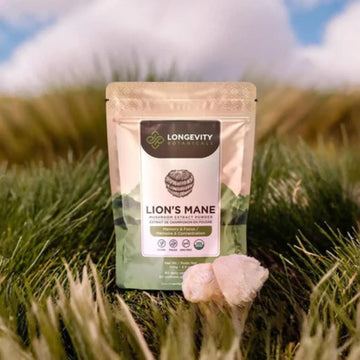
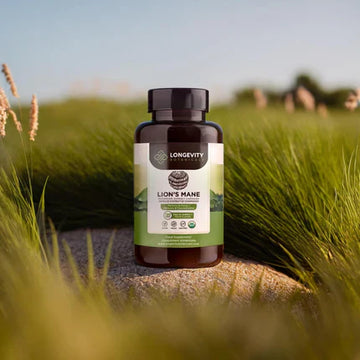
Understanding which adaptogenic mushrooms support immunity, cognitive function, stress management, and energy is the first step. Sourcing supplements that actually deliver those benefits is the second. Longevity Botanicals offers organic mushroom capsule supplements formulated with standardized extracts and verified bioactive content. For those who prefer concentrated forms, the mushroom extracts collection covers individual species and dual-extracted options. Readers looking to combine multiple adaptogens can explore the mushroom blend supplements range, which pairs complementary species for broader coverage. All products are third-party tested for potency and purity.
Frequently asked questions
What are adaptogenic mushrooms and how do they work?
Adaptogenic mushrooms contain bioactive compounds that help the body adapt to stress by supporting immune regulation, nervous system health, and energy balance through multiple biological pathways. Adaptogens promote homeostasis in stress response systems, working at the cellular level rather than forcing a single physiological outcome.
Which adaptogenic mushroom is best for immune support?
Turkey tail is widely studied for immune health because of its β-glucan polysaccharides that support gut microbiota and immune function, but product quality and standardization are key for effectiveness.
Is cordyceps effective for increasing energy and endurance?
Cordyceps militaris shows promising but mixed evidence for improving energy and endurance. Human studies on cordyceps for performance show inconsistent outcomes, largely due to small sample sizes and inconsistent protocols.
Are there any safety concerns with reishi mushroom supplements?
Reishi is generally safe for many people but can interact with immunosuppressants and blood thinners, posing risks that require consulting a healthcare professional before use.
How does lion’s mane support brain health?
Lion’s mane promotes nerve growth factor production through compounds that cross the blood-brain barrier, with hericenones and erinacines supporting neurogenesis and potentially improving memory and focus over consistent use.
Recommended
- Top adaptogenic mushrooms for stress, immunity, and focus – LongevityBotanicals
- Functional mushrooms for brain and immune health: 2026 – LongevityBotanicals
- Top brain health mushrooms for cognitive boost in 2026 – LongevityBotanicals
- Top mushrooms for stress relief: natural support backed by science – LongevityBotanicals


