


TL;DR:
- Functional mushrooms like Reishi, Lion’s Mane, and Cordyceps help manage stress through various biological mechanisms.
- Quality and extraction methods are crucial for effectiveness, with dual-extracted, third-party tested products preferred.
- They are safe for daily use but should complement, not replace, therapy or medication.
Stress is one of the most common health complaints today, and more people are turning to functional mushrooms for support. Reishi, Lion’s Mane, and Cordyceps have moved from traditional medicine into modern supplement shelves, and for good reason. Clinical trials confirm these mushrooms act as adaptogens, helping the body manage stress more effectively. But with dozens of products on the market, knowing which ones actually work and which ones are just marketing can be challenging. This guide walks through how to evaluate options, what the evidence says, how the top mushrooms compare, and how to choose a safe, quality supplement.
Table of Contents
- How to evaluate stress-relief mushrooms
- Top natural stress relief mushrooms and their benefits
- Head-to-head comparison: Mushrooms for stress relief
- Safety, side effects, and choosing high-quality supplements
- Our take: Mushrooms are promising, but context matters
- Explore high-quality mushroom supplements for stress relief
- Frequently asked questions
Key Takeaways
| Point | Details |
|---|---|
| Evidence-based mushroom options | Reishi, Lion’s Mane, and Cordyceps top the list for natural, research-backed stress relief. |
| Selection framework matters | Dual extraction, beta-glucan testing, and blend formulations signal quality and efficacy. |
| Safety and context first | Mushrooms are generally safe, but care is needed for pregnant, breastfeeding, or those with liver issues. |
| Supplements enhance lifestyle | Mushrooms work best alongside healthy sleep, nutrition, and stress routines—not as a standalone fix. |
| Quality ensures results | Always opt for third-party-tested, transparent mushroom supplements for optimal benefits. |
How to evaluate stress-relief mushrooms
Not every mushroom supplement is created equal, and the differences in quality, extraction method, and active compounds can significantly affect results. Knowing what to look for helps you cut through the noise.
Functional mushrooms work through several biological pathways. Key mechanisms include HPA axis modulation that lowers cortisol, beta-glucans that reduce inflammation, triterpenoids and terpenoids with antioxidant and neuroprotective effects, and hericenones and erinacines in Lion’s Mane that stimulate NGF and BDNF for neurogenesis and mood regulation. These are specific, measurable effects, not vague wellness claims.
When evaluating a product, focus on these core criteria:
- Dual extraction: Hot water extraction captures beta-glucans; alcohol extraction pulls out triterpenoids. A good product uses both methods to preserve the full range of active compounds.
- Beta-glucan content: Look for products that list a verified beta-glucan percentage. This is the primary marker of potency for immune and stress-related effects.
- Fruiting body vs. mycelium: Fruiting body extracts typically contain higher concentrations of active compounds than mycelium-on-grain products.
- Third-party testing: Independent lab verification confirms that what’s on the label is actually in the capsule or powder.
- Clear sourcing: Products should specify where the mushrooms are grown and whether they are certified organic.
Our mushroom supplement quality guide provides a deeper breakdown of what these quality markers mean in practice. For those exploring powders, the natural mushroom powders guide covers format-specific considerations.
Pro Tip: Choose a supplement or blend that targets both stress and sleep. Cortisol dysregulation affects sleep quality, and products addressing both pathways tend to deliver more noticeable day-to-day results.
Top natural stress relief mushrooms and their benefits
Once you understand the selection criteria, it helps to see how each leading mushroom performs on its own and what it brings to a blend.
Reishi (Ganoderma lucidum) Reishi is the most studied mushroom for stress and anxiety. Its triterpenoid compounds have demonstrated adaptogenic effects, supporting the body’s response to physical and psychological stress. It also has a well-established connection to improved sleep quality, which matters because poor sleep and elevated stress tend to feed each other.
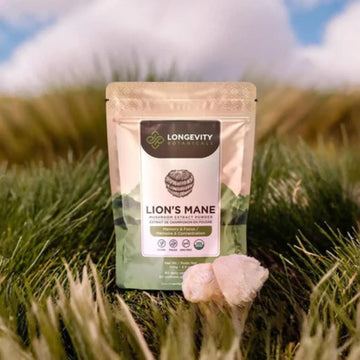
Lion’s Mane (Hericium erinaceus) Lion’s Mane targets the neurological side of stress. It stimulates nerve growth factor (NGF) and BDNF production, supporting neurogenesis and mood regulation. Studies show it reduces anxiety and depression symptoms, particularly in menopausal women and individuals with elevated baseline stress. For a broader look at Lion’s Mane brain science, the cognitive research is substantial.
Cordyceps (Cordyceps militaris) Cordyceps supports energy metabolism and oxygen utilization, making it useful for stress-related fatigue. When the body is under chronic stress, energy levels often drop. Cordyceps helps counteract that physical depletion, supporting stamina and adaptation capacity.
Research from a 12-week RCT showed that a blend of Reishi and four other mushrooms reduced DASS-21 stress and anxiety scores, improved PSQI sleep scores, and lowered salivary cortisol. Lion’s Mane specifically reduced anxiety and depression in menopausal women.
Key benefits by mushroom:
- Reishi: Anxiety reduction, sleep support, adaptogenic regulation
- Lion’s Mane: Mood improvement, neuroplasticity, anxiety relief in stressed populations
- Cordyceps: Energy support, fatigue reduction, physical stress adaptation
Blends consistently outperform single-mushroom products in RCTs. When Reishi, Lion’s Mane, and Cordyceps are combined, they address different stress pathways simultaneously, which explains the stronger outcomes seen in multi-mushroom trials. For more detail on calm and focus mushrooms, the research breakdown is useful.
Pro Tip: If you experience both mood swings and afternoon energy crashes, a blend containing Reishi and Cordyceps alongside Lion’s Mane covers both the mental and physical dimensions of stress.
Head-to-head comparison: Mushrooms for stress relief
With individual profiles reviewed, a side-by-side comparison helps identify which mushroom suits a specific situation best.
One important finding to keep in mind: acute Lion’s Mane use shows no overall cognitive or mood benefit in healthy young adults. Benefits are more evident in stressed, anxious, or cognitively impaired populations. This matters because it shapes realistic expectations for who benefits most from each mushroom.
| Mushroom | Primary benefit | Best suited for | Notable limitation |
|---|---|---|---|
| Reishi | Anxiety reduction, sleep quality | High stress, sleep problems, general anxiety | Rare liver toxicity risk at high doses |
| Lion’s Mane | Mood regulation, neuroplasticity | Stress-related cognitive fog, menopausal anxiety | Less effective in healthy low-stress adults |
| Cordyceps | Energy, fatigue reduction | Stress-related fatigue, physical endurance | Less direct anxiolytic research |
| Blend (all three) | Broad stress, sleep, mood coverage | Most use cases, especially chronic stress | Cost may be higher than single mushrooms |
Scenario-based picks:
- Chronic stress with poor sleep: Reishi is the primary choice, ideally in a blend
- Anxiety with cognitive symptoms: Lion’s Mane, particularly for those with elevated stress or hormonal changes
- Stress-related fatigue and low energy: Cordyceps, or a blend with Cordyceps as a primary ingredient
- General prevention and wellness: A multi-mushroom blend provides the widest coverage
For a closer look at how Lion’s Mane supports attention through NGF and synaptic plasticity, the mechanism is well documented. And if you’re concerned about tolerability, the Lion’s Mane side effects page covers what to watch for.
Safety, side effects, and choosing high-quality supplements
Understanding how mushroom supplements stack up on safety is just as important as understanding their benefits.

The overall safety record for medicinal mushrooms is strong. Adverse events are rare, with the most common being mild stomach discomfort, headache, diarrhea, or allergic reactions. Serious adverse events are uncommon. However, there are specific groups who should avoid these supplements.
Who should avoid mushroom supplements:
- Pregnant or breastfeeding individuals
- Those with autoimmune conditions (without medical clearance)
- Anyone on blood thinners or immunosuppressants
- Individuals with known mushroom allergies
- Those with liver conditions, particularly with Reishi at high doses
| Mushroom | Common side effects | Contraindications | Safety rating |
|---|---|---|---|
| Reishi | Stomach upset, rare liver toxicity | Liver conditions, blood thinners | Generally safe |
| Lion’s Mane | Mild digestive discomfort | Mushroom allergies | Well tolerated |
| Cordyceps | Rare digestive issues | Autoimmune conditions (caution) | Generally safe |
Quality checklist for safe supplement selection:
- Dual-extracted from fruiting bodies
- Beta-glucan content listed and verified
- Third-party tested with available certificates of analysis
- No fillers, mycelium-on-grain, or undisclosed ingredients
- Certified organic sourcing
Our guide to supplement safety outlines how to read labels and what red flags to avoid. For an independent perspective, expert picks for safe supplements offer useful comparisons from outside sources.
Our take: Mushrooms are promising, but context matters
Mushrooms for stress relief are backed by growing clinical evidence, but it is worth being clear about what the research actually shows. Preclinical and animal data are strong. Human trials are smaller and tend to show the most benefit in stressed, anxious, or impaired populations rather than healthy adults with low baseline stress. A supplement that works well for someone managing chronic stress may show no measurable effect in someone who is already well-rested and low-stress.
The strongest outcomes in trials come when supplements are paired with consistent sleep, good nutrition, and active stress management. Mushrooms do not override poor lifestyle habits. They appear to work best as support within a broader wellness routine.
Quality also makes a significant difference. A poorly extracted product with undisclosed beta-glucan content and no third-party testing delivers unreliable results. The supplement quality insights we provide exist for exactly this reason. As noted by independent supplement reviewers, preferring dual-extracted, beta-glucan tested products is the most practical standard to apply when shopping.
Mushrooms are not a replacement for therapy or prescribed medication. They are a credible, evidence-supported complement to a lifestyle that prioritizes recovery and resilience.
Explore high-quality mushroom supplements for stress relief
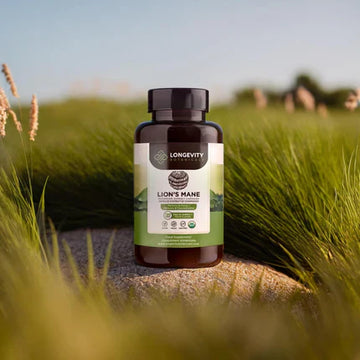
For those ready to add functional mushrooms to their wellness routine, sourcing matters. Longevity Botanicals offers a range of third-party tested, dual-extracted options across multiple formats. Browse organic mushroom capsules for convenient daily dosing, or explore organic mushroom powders for flexible use in drinks and recipes. For broader stress coverage, mushroom blend extracts combine Reishi, Lion’s Mane, Cordyceps, and other functional mushrooms in clinically relevant ratios. All products include clear ingredient sourcing and verified beta-glucan content, so you can shop with confidence.
Frequently asked questions
Which mushroom is best for stress relief?
Reishi, Lion’s Mane, and Cordyceps are the most evidence-backed mushrooms for stress relief, with multi-mushroom blends often delivering broader benefits than any single option.
Is it safe to take mushroom supplements daily?
Most medicinal mushrooms are generally safe for daily use based on clinical trial data, with rare mild side effects; they should be avoided during pregnancy or breastfeeding.
How long does it take to notice stress relief effects?
Most users notice benefits after a few weeks of consistent use. RCTs measuring stress and anxiety typically run 4 to 12 weeks and show progressive improvement over that period.
Can mushrooms replace medication for anxiety or depression?
No. Functional mushrooms are not replacements for therapy or prescribed medication, but they may support stress management and overall wellness as part of a broader lifestyle routine.


