

TL;DR:
- Mushroom extracts support true detox by enhancing liver and kidney resilience and reducing oxidative stress, not by flushing toxins. Standardized products with verified active compounds and transparent testing are essential for effective supplementation. These extracts boost immune regulation through gut interactions and tissue protection, aligning with scientific markers of detoxification.
The word “detox” gets used on everything from juice cleanses to foot pads, but the actual science tells a very different story. Real detoxification happens inside your liver and kidneys, measured by specific biological markers, not by vague promises of flushing unnamed toxins. Mushroom extracts have earned genuine scientific attention in this space because they interact with the body’s core cleanup systems in ways that are testable and, increasingly, measurable. This guide covers what detox really means, how mushroom compounds support it, and what to look for when choosing an extract.
Table of Contents
- Why “detox” isn’t what you think: The science redefined
- How mushroom extracts protect your liver and kidneys
- The role of β-glucans: Immune modulation for detox support
- Choosing effective mushroom extracts: Why standardization matters
- Integrating mushroom extracts into your holistic detox protocol
- The truth most “detox” guides miss about mushroom extracts
- Support your detox journey with quality mushroom extracts
- Frequently asked questions
Key Takeaways
| Point | Details |
|---|---|
| Detox means organ support | Effective detox with mushroom extracts is about protecting the liver and kidneys, not flushing toxins. |
| β-glucans are key compounds | Mushroom-derived β-glucans help regulate immunity and inflammation, aiding holistic detox. |
| Standardization ensures results | Choose extracts with defined bioactive content to maximize health benefits for detox. |
| Quality and integration matter | Combine standardized mushroom extracts with healthy lifestyle practices for optimal wellness support. |
Why “detox” isn’t what you think: The science redefined
Most wellness marketing frames detox as a process of purging mystery substances from your body. That framing is not how scientists approach it. Researchers studying real detoxification focus on reducing oxidative stress (damage caused by unstable molecules called free radicals) and controlling inflammation in the organs that naturally filter your blood.
“Mechanistic ‘detox’ claims can be reframed to empirically testable endpoints: oxidation/inflammation markers, and organ injury markers (ALT/AST, MDA, cytokines), rather than unmeasured ‘toxin flushing.’”
Here is what those markers actually mean in plain terms:
- ALT and AST are liver enzymes. Elevated levels signal liver cell stress or damage.
- MDA (malondialdehyde) is a byproduct of fat oxidation. Higher MDA means more oxidative damage.
- Cytokines are chemical signals that drive inflammation. Lower cytokine levels indicate less systemic inflammation.
- Nrf2 and NF-κB are proteins that regulate the body’s antioxidant and inflammatory responses.
When researchers test whether a substance supports detox, they measure shifts in these specific markers. If ALT and MDA drop and antioxidant activity rises, that is evidence of real organ protection. The liver and kidneys are the organs doing the actual work of filtering chemicals, metabolic waste, and environmental compounds from your blood. Protecting those organs is the scientifically meaningful version of detox.
Understanding this framework is exactly what separates effective supplementation from marketing noise. If you want to learn how to apply this practically, the step-by-step mushroom extract guide walks through usage from the ground up.
How mushroom extracts protect your liver and kidneys
Once you understand that detox is really about organ resilience and measurable markers, the case for specific mushroom extracts becomes much more concrete. Mushroom extracts connect to detox most plausibly through liver and kidney protection mechanisms, including antioxidant activity, reduced oxidative stress and inflammation, and improved tissue injury markers, rather than through proven clearance of environmental toxins in humans.
Two species stand out in the current literature:
| Mushroom | Key compounds | Documented effect |
|---|---|---|
| Ganoderma lucidum (Reishi) | Triterpenoids, polysaccharides | Reduced ALT, AST, TNF-α, IL-6, MDA; kidney resilience |
| Volvariella volvacea (Paddy straw) | Polysaccharides, antioxidants | Reduced liver injury markers; antioxidant activity |
In animal models, Ganoderma lucidum extracts have been shown to lower lipid peroxidation (the breakdown of fats in cell membranes caused by free radicals) and support detoxification enzyme activity in liver tissue. This matters because detoxification enzymes are the proteins that actually neutralize harmful compounds before they leave the liver. Volvariella volvacea shows a similar protective profile, particularly against chemically induced liver stress.
Kidney resilience is also part of Ganoderma lucidum’s documented range. Because the kidneys filter blood plasma continuously, they are exposed to concentrated forms of whatever the body is processing. Antioxidant support at the kidney level directly reduces the wear that comes from that constant work.
Pro Tip: When reading any mushroom extract product label, look for the specific species name in Latin (for example, Ganoderma lucidum rather than just “Reishi”) and a stated percentage of active compounds. This is the minimum level of transparency needed to assess real potency.
For a deeper look at putting this knowledge to work, the comprehensive guide to mushroom extract usage covers dosing, timing, and format selection in practical detail.
The role of β-glucans: Immune modulation for detox support
Beyond direct organ protection, mushroom extracts influence detox through a different but equally important pathway: the gut-immune axis. The key compounds here are β-glucans (beta-glucans), which are complex polysaccharides found in mushroom cell walls. β-glucans act as immune modulators, influencing gut-immune interactions that affect systemic inflammation, which is exactly the kind of benefit that people often describe as “feeling cleaner” or “less inflamed.”
Here is how the mechanism works step by step:
- Fermentation in the gut: β-glucans are not fully digested in the small intestine. They reach the colon, where beneficial bacteria ferment them.
- Production of SCFAs: Fermentation produces short-chain fatty acids (SCFAs) like butyrate, propionate, and acetate. These molecules are fuel for colon cells and signal anti-inflammatory pathways throughout the body.
- Gut barrier integrity: SCFAs strengthen the tight junctions between intestinal cells, which act as a physical barrier. A stronger barrier means fewer unwanted substances passing into the bloodstream.
- Innate and adaptive immunity: β-glucans bind to receptors on immune cells (particularly macrophages and dendritic cells), activating both the fast-response innate system and the slower, more targeted adaptive system.
- Systemic inflammation reduction: The combined effect of SCFA signaling and immune modulation lowers circulating cytokine levels, reducing whole-body inflammation.
This is why gut health is inseparable from immune health, and why supporting both is central to any real detox-support protocol. A system where the gut barrier is intact and inflammation is controlled is a system that manages environmental and metabolic stress far more effectively.
Pro Tip: Not all mushroom extracts contain the same β-glucan levels. Hot water extraction tends to preserve polysaccharides including β-glucans, while alcohol extraction is better suited to fat-soluble compounds like triterpenoids. Dual-extracted products offer both, which is why they are generally preferred for comprehensive support.

For more background on what β-glucans do specifically, the beta-D-glucans benefits article covers the research in detail. If you want to understand how the immune system itself responds to mushroom compounds, the resource on immune modulation and mushrooms is worth reading alongside it.
Choosing effective mushroom extracts: Why standardization matters
The science behind mushroom extracts is genuinely promising, but it comes with an important caveat. Detox-support effects depend heavily on the specific species and extract preparation. Standardized evidence in humans is still limited, and product variability is a major practical issue.
What this means for buyers is straightforward: not all products marketed as “mushroom extract” are equivalent. Two products can share the same mushroom name on the label while differing significantly in their actual β-glucan content, triterpenoid profile, and biological activity.
| Variable | Lower quality | Higher quality |
|---|---|---|
| Species identification | Generic common name only | Full Latin binomial (Ganoderma lucidum) |
| Active constituent | Not stated | % β-glucans and/or triterpenoids declared |
| Extraction method | Unspecified | Hot water, alcohol, or dual extraction noted |
| Third-party testing | None listed | Certificate of analysis available |
| Substrate | Mycelium on grain | Fruiting body or specified |
A numbered checklist for evaluating any mushroom extract product:
- Confirm the species. The Latin name should appear on the label. “Reishi” alone tells you nothing about which Ganoderma species or chemotype was used.
- Check active constituent percentages. A standardized product will state β-glucan content (often 20% to 40% for quality extracts) and, for Reishi specifically, triterpenoid percentage.
- Identify the extraction method. Hot water, ethanol, or dual extraction each yield different compound profiles. The method should match the claimed benefit.
- Look for third-party testing. Independent laboratory testing for heavy metals, contaminants, and active compound verification is the minimum standard for a trustworthy product.
- Check whether it is fruiting body or mycelium. Fruiting body extracts generally contain higher concentrations of the compounds studied for health benefits.
The supplement quality guide provides a thorough breakdown of what certification and quality control actually mean in the mushroom supplement industry. For the technical side of how different extraction methods affect bioactivity, mushroom extraction explained covers the process clearly.
Integrating mushroom extracts into your holistic detox protocol
Knowing which extracts to look for is one part of the picture. Putting them to work effectively requires a practical framework that fits real daily life. The strongest evidence-based approach to using mushroom extracts for natural detox support focuses on targeting inflammation and oxidative stress, supporting liver and kidney resilience, and choosing products with standardized constituents because β-glucan content and extraction method directly affect what happens in your body.
Here is a practical integration protocol:
- Select a standardized extract. Prioritize products with confirmed β-glucan percentages and, if liver support is the goal, documented triterpenoid content from Ganoderma lucidum.
- Set a consistent daily timing. Mushroom extracts work through cumulative biological effects. Consistency over weeks matters more than occasional high doses.
- Pair with dietary support. A diet rich in fiber, vegetables, and adequate protein gives the liver and gut microbiome the raw materials they need to function well. Mushroom extracts support these systems but do not replace the inputs they depend on.
- Prioritize sleep and hydration. The liver performs its most active repair and metabolic processing during sleep. Hydration supports kidney filtration. Both are non-negotiable if organ resilience is the goal.
- Monitor your response over 4 to 8 weeks. Track energy levels, digestive regularity, sleep quality, and any changes in how you feel after meals or physical activity. These are practical signals that your body’s systems are responding.
- Consult your healthcare provider. This applies especially if you take medications or have existing liver or kidney conditions, since some mushroom compounds interact with certain drugs.
For a broader view of how mind-body-spirit practices integrate with supplementation, holistic therapy benefits provides a useful framework for thinking about whole-person wellness. And for specific guidance on daily use formats and amounts, how to use mushroom supplements covers practical application directly.
The truth most “detox” guides miss about mushroom extracts
Most detox content focuses on what feels compelling rather than what is measurable. The uncomfortable reality is that the wellness industry has built a large market around the concept of toxin flushing, a process that has no precise scientific definition and no established measurement standard. This is the part that most guides skip over.
The actual value of mushroom extracts in a detox context is documented in laboratory and animal research using specific, quantifiable endpoints. Empirical detox benchmarks include marker shifts such as ALT/AST, oxidative stress assays like MDA, Nrf2/NF-κB signaling readouts, and cytokine levels. Human clinical trials with defined extract standardization exist but are currently limited in number and robustness. Product heterogeneity, meaning the wide variation in what different products actually contain, is the single biggest practical obstacle to translating lab findings into consistent consumer results.
This is not a reason to dismiss mushroom extracts. It is a reason to demand better products and better evidence. The brands worth trusting are the ones that publish third-party test results, declare active constituent percentages, and do not promise outcomes the current research cannot support. Transparency is the real quality signal.
Seeking out supplement certification information before purchasing is one of the most practical steps a buyer can take. The market is improving, and the extracts with real documentation are increasingly distinguishable from those that rely on vague claims.
Support your detox journey with quality mushroom extracts
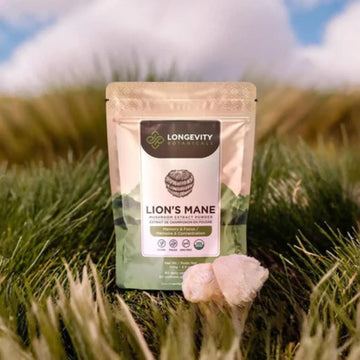
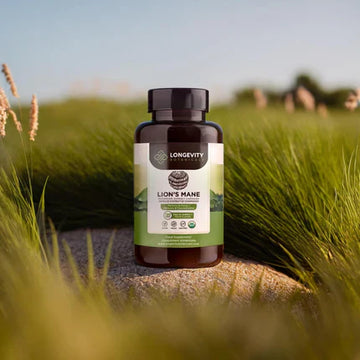
Choosing a mushroom extract that actually supports your wellness goals starts with transparency in extraction method, active constituent percentages, and third-party testing. Longevity Botanicals carries a range of organic mushroom extracts including blends and single-species options formulated to fit into a daily detox and immunity protocol. For those who prefer a convenient daily format, mushroom capsule supplements provide standardized dosing with clear ingredient disclosure. Each product is designed around the quality markers that the science identifies as meaningful, so you can choose with confidence rather than guesswork.
Frequently asked questions
Can mushroom extracts flush toxins out of the body?
Mushroom extracts support detox by protecting the liver and kidneys and reducing oxidative stress and inflammation, but they do not directly flush environmental toxins from the human body. The benefit is organ resilience and measurable marker improvement, not toxin clearance.
Which mushroom extracts are best for supporting detox?
Ganoderma lucidum and Volvariella volvacea extracts have shown organ-protective and antioxidant effects relevant to detox support in research models, including reduced liver enzyme markers and lipid peroxidation. Always look for standardized products that declare active compound percentages.
How do β-glucans from mushrooms help with detox?
β-glucans act as immune modulators in the gut, promoting short-chain fatty acid production, strengthening the intestinal barrier, and lowering systemic inflammation. These effects indirectly support the body’s natural detox pathways by reducing the inflammatory load on filtering organs.
How can I ensure a mushroom extract product is effective for detox?
Look for extracts with standardized β-glucan and triterpenoid content, full species identification using the Latin name, a stated extraction method, and a certificate of analysis from an independent laboratory. These four indicators distinguish quality products from unverified ones.
Recommended
- Mushroom extraction explained: unlock wellness from nature – LongevityBotanicals
- Step-by-step mushroom extract guide for wellness and immunity – LongevityBotanicals
- Comprehensive Guide to Mushroom Extract Usage for Wellness – LongevityBotanicals
- Unlock wellness benefits with mushroom supplements – LongevityBotanicals


