

TL;DR:
- Not all mushrooms have equal antioxidant content; testing methods and extraction methods influence results.
- Wild mushrooms may contain contaminants; cultivated, verified supplements are safer and more reliable.
- Main health benefits include immune support through beta-glucans and cognitive aid via compounds like hericenones.
Mushroom supplements are everywhere, and the claims get louder every year. Immune support, brain health, antioxidant power. But not every mushroom delivers equally, and the science behind these claims is more nuanced than most product labels suggest. Knowing which mushrooms actually score high in validated antioxidant testing, and understanding what those scores mean for your health, separates smart supplementation from guesswork. This guide covers the top science-backed options, how they compare on key metrics, and exactly what to look for when choosing a supplement for immune or cognitive support.
Table of Contents
- How to choose antioxidant mushrooms: Understanding what matters
- Top 5 antioxidant mushrooms: Science-backed standouts
- Antioxidant mushrooms and your health: Immune, brain, and safety factors
- How to use antioxidant mushrooms: Forms, dosing, and what to look for
- Why the ‘strongest’ antioxidant mushroom title is misleading
- Discover trusted antioxidant mushroom supplements
- Frequently asked questions
Key Takeaways
| Point | Details |
|---|---|
| No single best mushroom | Top antioxidant mushrooms vary by assay, extract, and study, so it’s wise to choose a high-quality mix. |
| Immune and brain benefits | Mushrooms like Reishi, Shiitake, and Chaga offer researched support for immune and cognitive health. |
| Prioritize purity and safety | Always opt for lab-tested, cultivated supplements to avoid heavy metals found in wild mushrooms. |
| Form and dose matter | Extracts and powders offer potent benefits, but results depend on how they’re made and used. |
How to choose antioxidant mushrooms: Understanding what matters
Not all antioxidant research is created equal. Scientists use several standardized tests to measure how well a substance neutralizes harmful free radicals, and each test captures a slightly different part of that picture.
The most common assays include:
- DPPH (2,2-diphenyl-1-picrylhydrazyl): Measures the ability to donate hydrogen atoms and neutralize free radicals. Results expressed as inhibition percentage or TE/g.
- ORAC (Oxygen Radical Absorbance Capacity): Measures total antioxidant absorption capacity, popular in food science.
- FRAP (Ferric Reducing Antioxidant Power): Evaluates electron-donating capacity at low pH.
- ABTS: Tests both water-soluble and fat-soluble antioxidants, making it broader than DPPH alone.
- TPC (Total Polyphenol Content): Quantifies polyphenols in milligrams of gallic acid equivalents per gram of dry weight (mg GAE/g dw). More polyphenols generally correlate with higher antioxidant activity.
One critical variable is the extraction solvent. Antioxidant capacity variation in mushrooms confirms that methanol extracts often yield the highest readings, while water extracts give lower but more supplement-relevant numbers. This means a mushroom that scores highest in a methanol-based lab study may not translate directly to a water-extracted capsule you buy online.
Understanding antioxidants in mushrooms helps you read beyond marketing claims and ask better questions about how a product was made.
No single mushroom ranks first across every test. Differences in species, growing conditions, drying methods, and extraction solvents all shift the results. Context always matters.
Pro Tip: When shopping for mushroom supplements, look for brands that publish third-party Certificates of Analysis (COAs). These lab documents confirm actual antioxidant compound levels and screen for contaminants, so you know what you are actually getting.
Top 5 antioxidant mushrooms: Science-backed standouts
Now that you know how to evaluate mushrooms, let’s look at the science-backed standouts and what makes each unique.
Researchers have tested dozens of mushroom species across multiple assay types. Five consistently rise to the top based on published data, though each has its own profile of strengths and limitations.
| Mushroom | DPPH (μM TE/g or % inhibition) | ORAC (μM TE/g) | TPC (mg GAE/g dw) | Safety notes |
|---|---|---|---|---|
| Phaeolus schweinitzii | 9.62 μM TE/g | 340 | High | Wild only; limited supplement availability |
| Inonotus hispidus | 9.5 μM TE/g | 290 | High | Wild only; rare in supplements |
| Shiitake (Lentinula edodes) | Up to 87.9% inhibition | Moderate | Up to 34.6 | Widely cultivated; well-tolerated |
| Reishi (Ganoderma lucidum) | IC50 1.59 mg/mL | Moderate | Moderate | Cultivated; strong safety record |
| Agaricus bresadolanus | High | High | High | Heavy metal risk; caution advised |
Profile highlights:
- Phaeolus schweinitzii and Inonotus hispidus: Highest antioxidant capacities among tested species (DPPH 9.62 and 9.5 μM TE/g; ORAC 340 and 290 μM TE/g respectively). Both are forest fungi rarely found in commercial supplements, so their scores are more useful as a scientific benchmark than a buying guide.
- Shiitake: A practical favorite. Highest DPPH inhibition at 87.9% and top TPC at 34.6 mg GAE/g dw. Widely cultivated, safe, and easy to find in powder or capsule form. Among the top immune boosting mushrooms for practical daily use.
- Reishi: Strong DPPH scavenging with IC50 of 1.59 mg/mL for its L-fraction, driven by triterpenoids, polyphenols, and flavonoids. Reishi also brings unique immune and cognitive benefits. See Reishi mushroom immune support for a deeper breakdown.
- Agaricus bresadolanus: Strong numbers across assays, but significant heavy metal accumulation risk in wild specimens. Not recommended for unsupervised daily supplementation.
- Fomitopsis pinicola: A forest bracket fungus with high DPPH inhibition at 83.4 to 90%, rarely available in standardized supplement form.
Pro Tip: Chaga is another antioxidant powerhouse worth knowing. Read more about Chaga mushroom antioxidant power if you want to add it to your rotation.
Antioxidant mushrooms and your health: Immune, brain, and safety factors
Knowing the top mushrooms, it’s important to connect them to their actual health impact, benefits, and potential risks.
Antioxidant capacity in a lab test only matters if it translates to real-world benefits. For mushrooms, the most validated health pathways involve two main compound families.
Immune support: Beta-glucans are long-chain polysaccharides found in the cell walls of mushrooms. They bind to immune receptors and help regulate the body’s defense response. Shiitake, Reishi, and Chaga all show strong evidence for immune benefits through beta-glucans and polyphenols. Their immunity boost potential is among the most researched in the supplement world.
Cognitive support: Lion’s Mane contains hericenones and erinacines, compounds that stimulate nerve growth factor (NGF) production. NGF supports the maintenance and repair of neurons. Other mushrooms like Reishi also contribute polyphenols that protect neurons from oxidative stress.
| Benefit area | Key compounds | Best mushrooms |
|---|---|---|
| Immune defense | Beta-glucans, polysaccharides | Shiitake, Reishi, Chaga, Turkey Tail |
| Cognitive support | Hericenones, erinacines, polyphenols | Lion’s Mane, Reishi |
| Antioxidant protection | Polyphenols, triterpenoids, flavonoids | Reishi, Chaga, Shiitake |
Safety considerations:
- Wild mushrooms carry real contamination risks. Wild Agaricus species in particular show heavy metal accumulation (cadmium, lead, arsenic, mercury) with hazard index (HI) values exceeding 1, meaning meaningful health risk despite high antioxidant scores.
- Pregnant individuals, those on immunosuppressants, or anyone with mushroom allergies should consult a healthcare provider before starting any mushroom supplement.
- Cultivated extracts from reputable brands are significantly safer than wild-harvested material.
Choosing immune boosting mushrooms from verified, cultivated sources eliminates most of the contamination risk associated with wild species.
How to use antioxidant mushrooms: Forms, dosing, and what to look for
Understanding the health impacts and cautions, let’s cover how to practically use antioxidant mushroom supplements effectively.
Mushroom supplements come in several forms, and each has trade-offs in convenience, potency, and bioavailability.
- Powders: Versatile and easy to add to smoothies, coffee, or food. Look for dual-extracted powders that capture both water-soluble beta-glucans and fat-soluble triterpenoids.
- Capsules: Convenient and pre-dosed. Ideal for consistent daily use. Check that the capsule contains actual extract, not just ground mushroom powder, which delivers fewer active compounds.
- Tinctures (liquid extracts): Fast absorption and high potency. Useful for targeted support, though taste can be bitter.
- Whole dried mushrooms: Good for culinary use but lower in concentrated bioactive compounds compared to standardized extracts.
Extraction method and supplement form directly affect antioxidant potency and safety. A low-quality powder may contain little active beta-glucan despite a high mushroom weight on the label.
Practical steps for getting started:
- Start with a single mushroom at the lowest recommended dose and track how your body responds over two to four weeks.
- Buy from brands that provide lab-verified beta-glucan percentages on their COAs.
- Store supplements away from heat and moisture to preserve potency.
- If stacking mushrooms (combining multiple species), consider starting with a blend product rather than managing multiple individual supplements. Comparing Lion’s Mane vs Reishi can help you decide which single mushroom to prioritize first.
Pro Tip: Look for supplements that display actual beta-glucan content, not just total polysaccharide content. Some brands inflate numbers by counting non-active starches in the polysaccharide total, so beta-glucan is the more meaningful figure.
Why the ‘strongest’ antioxidant mushroom title is misleading
After reviewing what the science shows and how to use mushrooms wisely, it is worth stepping back to question the idea of a single best option.
Lab rankings shift depending on which assay is used, what solvent extracted the sample, and where and how the mushroom was grown. A species that leads in ORAC may rank fifth in DPPH. Numbers are useful as a starting point, but they are not absolute verdicts.
Individual response adds another layer. Gut microbiome composition, baseline nutrition, genetics, and even time of day can influence how well your body absorbs and uses mushroom compounds. Two people taking the same supplement can have measurably different outcomes.
Long-term safety and source quality matter far more than chasing the highest antioxidant score. A well-sourced Shiitake or Reishi extract with verified purity will outperform a headline-grabbing wild species with unverified heavy metal levels every time.
The smarter approach is variety and verification. A mushroom antioxidant guide that focuses on quality sourcing, standardized extraction, and third-party testing will serve you better than any single top-ranking species claim.
Discover trusted antioxidant mushroom supplements
If you are ready to try high-quality antioxidant mushroom supplements safely, here are trusted options worth exploring.
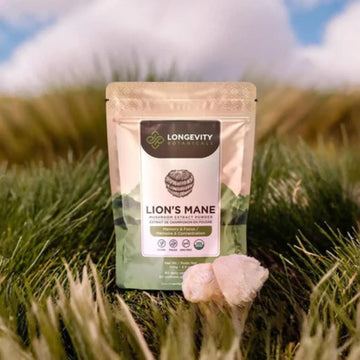
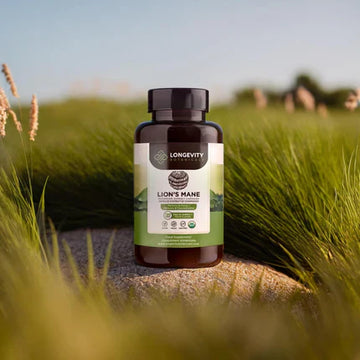
Longevity Botanicals offers a range of lab-tested mushroom products built around the same criteria covered in this article: verified beta-glucan content, clean sourcing, and transparent testing. Options include organic mushroom capsule supplements for convenient daily use, organic mushroom powders for flexible dosing, and mushroom extract options for higher-potency support. Whether the goal is immune defense, cognitive support, or general antioxidant coverage, there are products designed to fit specific health goals with purity and quality you can verify.
Frequently asked questions
Which mushroom is highest in antioxidants?
Data shows Phaeolus schweinitzii and Inonotus hispidus top antioxidant charts with DPPH values of 9.62 and 9.5 μM TE/g and ORAC values of 340 and 290 μM TE/g respectively, but differences in testing methods mean the ranking can shift depending on the assay used.
Are antioxidant mushrooms safe to consume daily?
Most cultivated mushroom supplements are safe for daily use when lab-tested for purity; avoid wild Agaricus species due to documented heavy metal accumulation risks with hazard index values above 1.
Do mushroom antioxidant supplements boost your immune system?
Yes, beta-glucans and polyphenols in Reishi, Shiitake, and Chaga have research-backed evidence supporting immune defense through receptor binding and oxidative stress reduction.
How do you use antioxidant mushrooms for best results?
Choose lab-tested capsules, powders, or extracts with verified beta-glucan content, since extraction method and form directly affect potency; follow label dosing and consult a healthcare provider if you have existing health conditions.
Recommended
- Antioxidants in mushrooms: 40% immunity boost potential – LongevityBotanicals
- Top brain health mushrooms for cognitive boost in 2026 – LongevityBotanicals
- Medicinal Mushrooms Boost Immunity 40% & Cognition – LongevityBotanicals
- Mushrooms for brain health: 15% cognitive boost proven – LongevityBotanicals
- MycoBotanicals® Brain* 60 Capsules | Healthspan Holistic


