

Therapeutic mushrooms explained: benefits, science, and safe use
TL;DR:
- Therapeutic mushrooms contain bioactive compounds that offer health benefits beyond nutrition.
- They support immunity, inflammation reduction, and neuroprotection based on scientific research.
- Quality, standardization, and realistic expectations are essential for safe and effective use.
Therapeutic mushrooms are not magic mushrooms, and they are not just culinary ingredients either. They represent a distinct, well-studied category of fungi with bioactive compounds providing health benefits that go well beyond basic nutrition. Species like Reishi, Lion’s Mane, Cordyceps, Shiitake, and Maitake have been used in traditional medicine for centuries and are now backed by growing laboratory and clinical research. This article covers what these mushrooms are, how their active compounds work, what the evidence says about their benefits, and how to use them safely.
Table of Contents
- What are therapeutic mushrooms?
- Bioactive compounds and how they work
- Proven wellness and cognitive benefits
- Safety, side effects, and choosing quality supplements
- Our take: Mushrooms aren’t miracles, but they’re powerful tools
- How to choose and try therapeutic mushrooms for yourself
- Frequently asked questions
Key Takeaways
| Point | Details |
|---|---|
| Beyond basic nutrition | Therapeutic mushrooms offer bioactive compounds for wellness and cognitive support, unlike culinary and ‘magic’ mushrooms. |
| Science-backed benefits | Clinical research supports immune, anti-inflammatory, and cognitive effects, especially for Lion’s Mane and Reishi. |
| Safe use matters | Most people tolerate supplements well but should watch for possible interactions and select quality products. |
| Adjunct not alternative | Mushrooms should complement, not replace, standard healthcare for best results. |
| Choose wisely | Start with well-sourced supplements and forms that fit your lifestyle and wellness goals. |
What are therapeutic mushrooms?
Building on the introduction, it helps to have a clear definition before exploring the science. Therapeutic mushrooms, also called medicinal or functional mushrooms, are fungi that deliver measurable biological effects in the human body. They are distinct from ordinary culinary mushrooms (which are primarily eaten for flavor and basic nutrients) and completely separate from psychedelic or “magic” mushrooms (which contain psilocybin, a controlled psychoactive substance).
The confusion between these categories is common, but the distinction matters. Therapeutic vs. psychedelic mushrooms differ fundamentally in their active compounds, legal status, and intended health applications. Therapeutic mushrooms contain no psilocybin and produce no mind-altering effects. Their bioactive components instead work on immunity, inflammation, brain signaling, and metabolism.
The most researched therapeutic mushrooms include:
- Reishi (Ganoderma lucidum): Known for immune regulation and stress reduction
- Lion’s Mane (Hericium erinaceus): Studied for neuroprotection and cognitive support
- Shiitake (Lentinula edodes): Recognized for cardiovascular and immune benefits
- Maitake (Grifola frondosa): Studied for blood sugar regulation and immune support
- Cordyceps (Cordyceps sinensis and Cordyceps militaris): Associated with energy, endurance, and respiratory health
- Turkey Tail (Trametes versicolor): Notable for immune-modulating polysaccharopeptides
- Chaga (Inonotus obliquus): Rich in antioxidants and anti-inflammatory compounds
Each species carries a unique profile of bioactive compounds, which is why their health applications vary significantly from one to the next.
| Mushroom | Primary benefit | Key bioactive |
|---|---|---|
| Reishi | Immune support, stress | Triterpenoids, beta-glucans |
| Lion’s Mane | Cognition, neuroprotection | Hericenones, erinacines |
| Cordyceps | Energy, endurance | Cordycepin, adenosine |
| Turkey Tail | Immune modulation | PSK, PSP polysaccharides |
| Chaga | Antioxidant, anti-inflammatory | Betulinic acid, polyphenols |
| Shiitake | Cardiovascular, immunity | Lentinan, eritadenine |
| Maitake | Blood sugar, immune | D-fraction beta-glucans |
Bioactive compounds and how they work
Now that you know which mushrooms qualify as therapeutic, it is important to understand what makes them work. These fungi contain several classes of natural compounds that interact with the body’s biological systems in specific, well-studied ways.

The key bioactive compounds include polysaccharides (especially beta-glucans), triterpenoids (such as ganoderic acids found in Reishi), phenolic compounds (which act as antioxidants), and bioactive proteins. Each of these compound classes has a distinct mechanism of action in the body.
Here is a breakdown of the primary compounds and their effects:
- Beta-glucans: Long-chain polysaccharides that activate immune cells, particularly macrophages and natural killer cells, by binding to receptors on their surface
- Triterpenoids: Found abundantly in Reishi, these compounds interrupt inflammatory signaling pathways and have shown effects on liver protection and blood pressure
- Hericenones and erinacines: Unique to Lion’s Mane, these small molecules can cross the blood-brain barrier and stimulate nerve growth factor (NGF) production
- Cordycepin: Found in Cordyceps, this nucleoside analog has shown antiviral, anti-inflammatory, and performance-enhancing properties
- Phenolics and flavonoids: Broad antioxidant activity that reduces oxidative stress at the cellular level
The mechanisms behind these effects involve several pathways. Beta-glucans activate immune cells through toll-like receptors and dectin-1 receptors, triggering cytokine production that regulates immune response. Triterpenoids inhibit NF-kB signaling, one of the body’s central pro-inflammatory switches. Lion’s Mane compounds stimulate NGF and BDNF (brain-derived neurotrophic factor), which support neuron growth, maintenance, and repair. These are not vague effects. They are measurable, documented biochemical actions.
Pro Tip: When reading supplement labels, look for products that list specific compound concentrations, such as “30% beta-glucan content” or “standardized to X% triterpenes.” This indicates the product has been tested for active compound levels, not just total mushroom weight.
Proven wellness and cognitive benefits
Understanding the science is only helpful if the real-world effects are measurable. Clinical and observational research has now examined many of these mushrooms in controlled settings, and the findings are meaningful, even if not always dramatic.
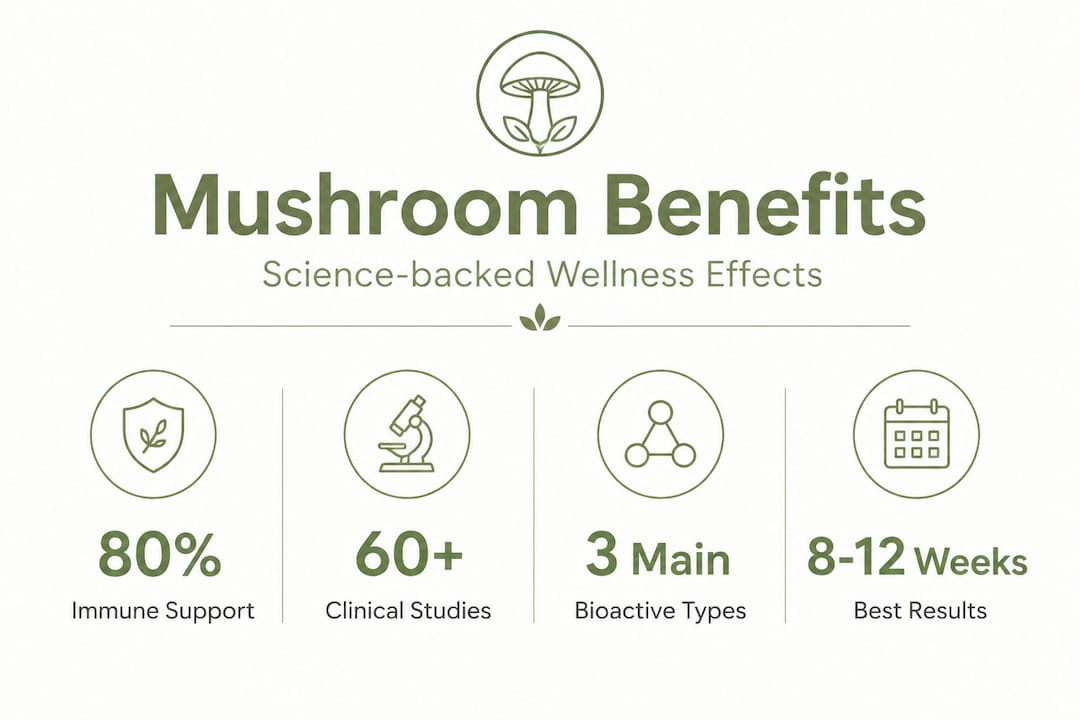
A meta-analysis of 12 randomized controlled trials found an 18% reduction in C-reactive protein (CRP) and a 22% decrease in IL-6 among participants taking therapeutic mushroom supplements. Both CRP and IL-6 are widely used markers of systemic inflammation, making these reductions clinically relevant. Reishi randomized controlled trials have demonstrated immune enhancement and reduced fatigue in cancer patients undergoing treatment. Lion’s Mane has shown improvements in cognitive scores, including Mini-Mental State Examination (MMSE) results, in individuals with mild cognitive impairment.
The documented wellness applications for therapeutic mushrooms span several health domains:
- Immune support: Beta-glucans from Turkey Tail and Maitake stimulate immune surveillance without causing over-activation
- Anti-cancer adjunct use: Polysaccharide-K (PSK) from Turkey Tail is approved in Japan as a cancer treatment adjunct and has shown improved survival outcomes in gastric and colorectal cancer patients when used alongside chemotherapy
- Neuroprotection: Lion’s Mane shows promise in early-stage Alzheimer’s research and stroke recovery models by promoting neuronal regeneration
- Cardiovascular health: Shiitake’s lentinan and eritadenine have demonstrated cholesterol-lowering and blood pressure-regulating effects
- Stress and adaptogenic support: Reishi’s triterpenoids modulate the HPA axis, the body’s central stress-response system
For those interested in mushrooms for brain health, Lion’s Mane stands out as the most studied option. It uniquely targets neurogenesis (the growth of new neurons) and synaptic repair, making it relevant for both cognitive maintenance and recovery after neurological injury. Research into top brain health mushrooms consistently highlights Lion’s Mane alongside Reishi and Cordyceps as the most promising for mental clarity, focus, and long-term cognitive resilience.
For immune-focused goals, exploring immune boosting mushrooms provides a clearer picture of which species and compound profiles are best matched to specific immune system needs.
Key point: Therapeutic mushrooms are most effective as adjunctive tools, meaning they work alongside a healthy lifestyle and existing medical care, not in place of it. The term “adjunctive use” means supplemental support added on top of standard care, not a replacement for medical treatment.
Pro Tip: If you are taking therapeutic mushrooms for cognitive goals, consistency matters more than dose size. Clinical studies showing cognitive benefits in Lion’s Mane typically used 500 mg to 1,000 mg per day over 12 to 16 weeks, not short-term high doses.
The research base continues to grow, but it is worth noting where the evidence is strongest. Immune modulation and anti-inflammatory effects have the most consistent support across multiple human studies. Cognitive benefits from Lion’s Mane are well-supported in mild impairment populations but need more large-scale data in healthy adults. Energy and endurance claims for Cordyceps have solid mechanistic support and some human trial data, particularly in older adults and recreational athletes.
Safety, side effects, and choosing quality supplements
Excited about the potential benefits? As with any supplement, being informed about safety and quality helps you get the most from your experience without unwanted surprises.
The general safety profile for therapeutic mushrooms is favorable. Most people tolerate them well when taking standardized extracts at recommended doses. However, side effects and interactions do exist and are worth knowing before you start:
- Mild gastrointestinal upset: The most commonly reported side effect, especially with high doses or when starting supplements. Taking mushroom supplements with food typically reduces this issue.
- Allergic reactions: People with mold allergies or known mushroom sensitivities should start with very low doses and monitor for symptoms such as skin irritation, itching, or respiratory discomfort.
- Blood thinner interactions: Reishi in particular has anticoagulant properties and may amplify the effects of warfarin or other blood-thinning medications. Anyone on these drugs should consult their prescriber before supplementing.
- Immunosuppressant interactions: Because therapeutic mushrooms modulate immune activity, they may interfere with immunosuppressant drugs used after organ transplants or for autoimmune conditions.
- Blood sugar medication interactions: Maitake and some other species affect blood glucose regulation and may compound the effects of insulin or oral diabetes medications.
- Pregnancy and breastfeeding: The safety data for pregnant or breastfeeding individuals is insufficient. Avoiding therapeutic mushroom supplements during these periods is the standard recommendation unless directed otherwise by a healthcare provider.
Important note: The lack of large-scale, long-term randomized controlled trials remains a real gap in the therapeutic mushroom research landscape. Current evidence supports short to medium-term use for specific applications, but multi-year safety data in diverse populations is still limited.
When choosing a supplement, quality varies widely across brands. Here is what to check:
- Standardized extracts: Look for products specifying beta-glucan or triterpene percentage, not just raw mushroom powder weight
- Fruiting body vs. mycelium: Fruiting body extracts typically contain higher concentrations of active compounds compared to mycelium-on-grain products, which may contain significant starch content
- Third-party testing: Reputable brands provide certificates of analysis from independent laboratories confirming potency and absence of contaminants
- Transparent sourcing: Knowing where and how mushrooms are grown (organic, substrate type, country of origin) affects extract quality
Pro Tip: A label that lists only “mushroom powder” without specifying extract ratio or active compound content is a signal that the product may be underdosed or poorly standardized. Effective therapeutic mushroom products almost always specify extract strength.
Our take: Mushrooms aren’t miracles, but they’re powerful tools
Here is the honest view. The wellness industry has a pattern of overstating what supplements can do, and therapeutic mushrooms are not immune to that pattern. Walk into any health food store or scroll through social media and you will see claims that Reishi “cures” everything from insomnia to cancer, or that Lion’s Mane will make you cognitively superhuman within a week. That is not what the research shows.
What the research does show is more nuanced and actually more interesting. Clinical evidence demonstrates modest but meaningful effects in specific domains, especially immune modulation, inflammation reduction, and early-stage neuroprotection. These are not trivial outcomes. For someone dealing with chronic low-grade inflammation, recurring illness, or early cognitive concerns, a well-chosen therapeutic mushroom supplement could genuinely shift baseline function over time.
The key word is “over time.” Most clinical benefits emerge after 8 to 16 weeks of consistent use. Anyone expecting dramatic effects within days is likely to be disappointed and, worse, may dismiss a genuinely useful tool based on unrealistic expectations.
The other honest reality is that product quality is wildly inconsistent across the market. Two products both labeled “Reishi extract” can have completely different active compound profiles depending on extraction method, mushroom part used, and standardization practices. Exploring the documented effects of medicinal mushroom effects helps set realistic expectations and informs smarter product choices.
The most practical approach is domain-specific targeting. Use Lion’s Mane for cognitive and neurological goals. Use Reishi for immune regulation and stress support. Use Cordyceps when energy and physical performance are the priority. Synergistic blends that combine multiple species can offer broader coverage, but individual responses vary, and starting with single-species products helps you identify what works for your body before adding complexity.
How to choose and try therapeutic mushrooms for yourself
Ready to explore these wellness tools in your daily routine? The right format depends on your goals and lifestyle preferences. Capsules offer precise, convenient dosing with no taste. Powders offer flexibility to add to smoothies, coffee, or food. Blends combine multiple species for broader support.
For consistent daily use, organic mushroom capsule supplements make dosing straightforward without preparation. For those who prefer to customize their intake, organic mushroom powders allow easy integration into existing dietary habits. Those looking for multi-mushroom synergy should explore mushroom blends, which combine species like Lion’s Mane, Reishi, and Cordyceps into a single product formulated for complementary effects. Longevity Botanicals focuses on organic, standardized therapeutic-grade extracts across all three formats, with transparent sourcing and active compound specifications on every product.
Frequently asked questions
What makes a mushroom “therapeutic”?
Therapeutic mushrooms contain scientifically recognized bioactive compounds that deliver measurable health benefits beyond standard nutrition, distinguishing them from ordinary culinary varieties.
Are there risks to taking therapeutic mushroom supplements?
Most people tolerate them well, but possible side effects include mild digestive upset or allergic reactions, and notable interactions exist with blood thinners, immunosuppressants, and diabetes medications.
Can therapeutic mushrooms replace regular medication?
No. Clinical evidence supports their use as adjuncts to standard care for immune and cognitive health, but they are not substitutes for prescribed medicines.
How do most people take therapeutic mushrooms?
They are most commonly consumed as capsules, powders, or multi-mushroom blends, all of which provide consistent dosing and easy daily integration into a wellness routine.
Recommended
- Dietary supplements explained: benefits, risks, and mushroom science – LongevityBotanicals
- How to choose medicinal mushrooms for optimal wellness – LongevityBotanicals
- Mushroom supplement dos and don’ts: safe guide for wellness – LongevityBotanicals
- Medicinal Mushrooms: Boosting Immunity and Wellness – LongevityBotanicals
Related Posts

Why Water-Soluble Mushroom Compounds Drive Real Results

What Is Mushroom Sustainability? Benefits and Practices

The Role of Organic Farming in Mushrooms Explained

What Is a Fruiting Body? Mushroom Science Explained

Mushroom Allergenicity Explained: Symptoms and Safe Use

Top 5 naturesrise.com Mushroom Supplement Alternatives 2026

Top 6 Hemplucid.com Alternatives for 2026


